Animal-Themed Days
From playful penguins and magnificent tigers to unusual okapis, animal-themed National Days bring the wonders of the animal kingdom into your homeschool. Explore fun animal holidays and discover opportunities to learn about wildlife, habitats, adaptations, and conservation. These educational celebrations make it easy to spark curiosity, encourage observation, and weave animal science into your homeschool day.
november
03nov12:00 pmWorld Jellyfish Day
Homeschool Learning Connection
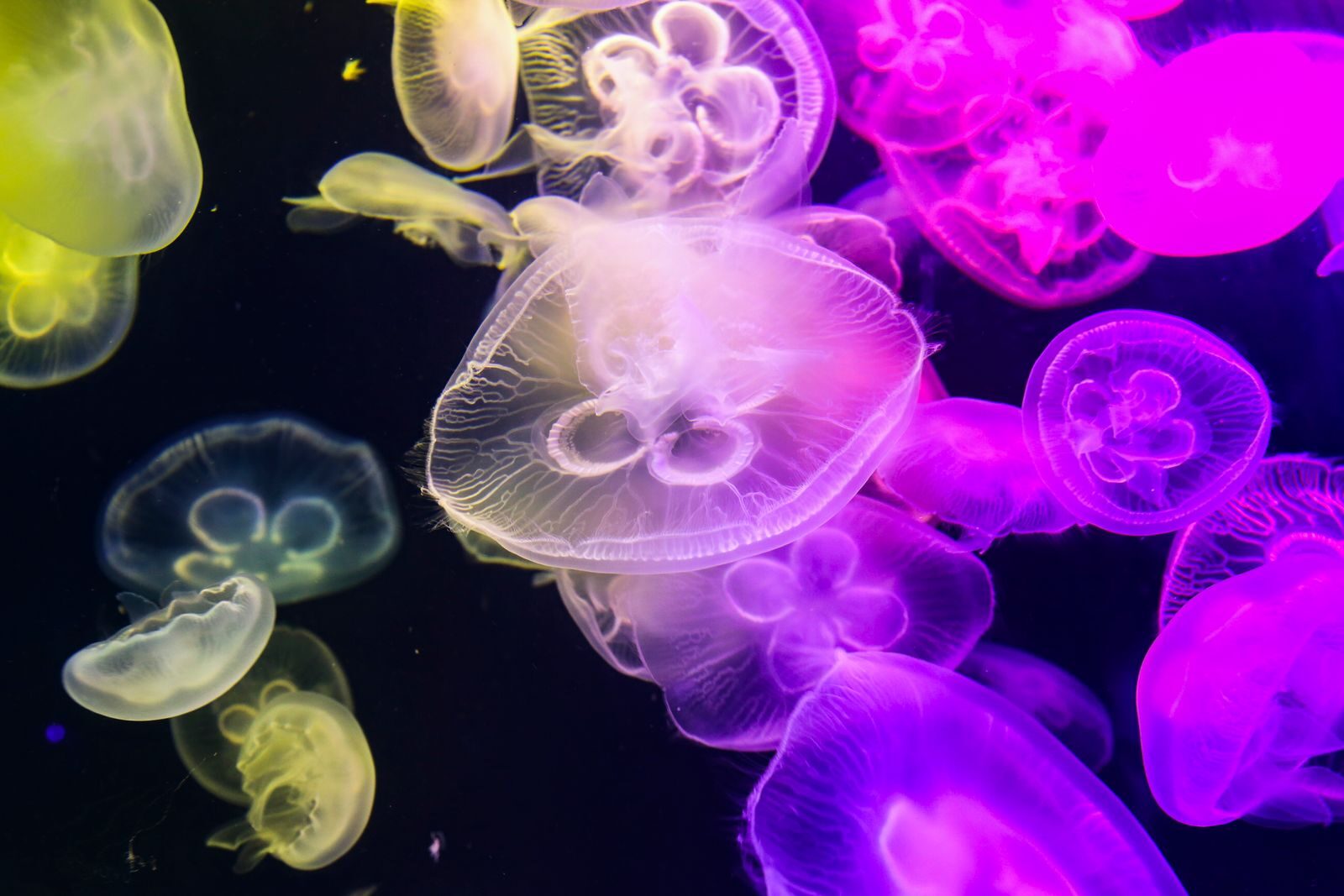
Did you know there are hundreds of different kinds of jellyfish, and some look almost too strange to be real? From delicate, nearly transparent moon jellies to
Homeschool Learning Connection
Did you know there are hundreds of different kinds of jellyfish, and some look almost too strange to be real? From delicate, nearly transparent moon jellies to enormous lion’s mane jellies with tentacles longer than a school bus, these ocean creatures come in an astonishing variety of shapes, sizes, and colors! Some even glow in the dark. Invite your kids to compare a few different species and see what makes each one unique. Which jellyfish would they most like to see in person?
Discover More
How does a jellyfish catch its dinner without a brain, bones, or teeth? These remarkable creatures use specialized stinging cells to capture tiny animals drifting through the water! Explore the Monterey Bay Aquarium’s jellies guide to discover how their tentacles work and watch their bell-shaped bodies pulse through the water.
07nov12:00 pmNational Bison Day
Homeschool Learning Connection
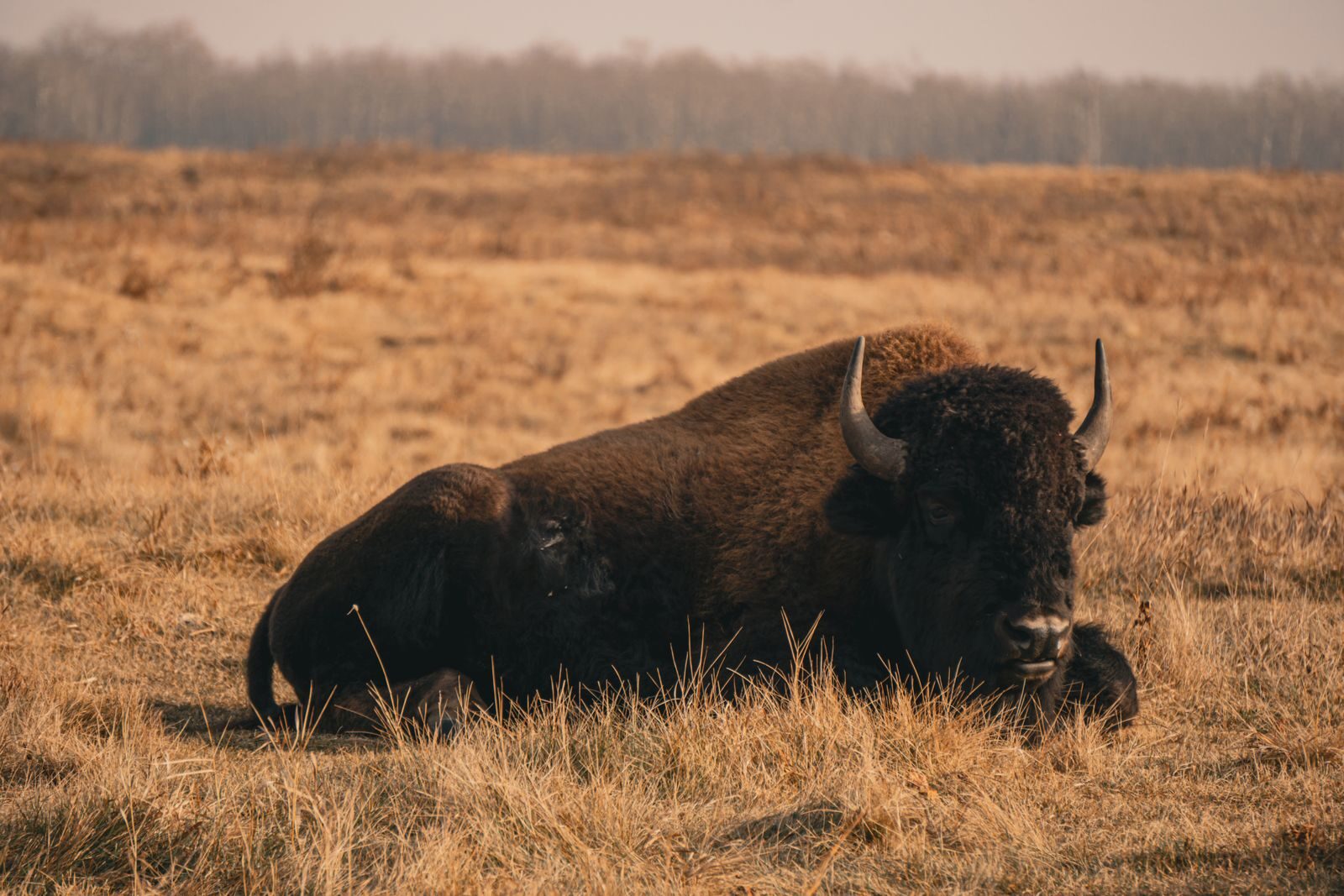
Bison or buffalo? Are they actually the same animal? While we often call American bison "buffalo," true buffalo are different animals found in Africa and Asia! American
Homeschool Learning Connection
Bison or buffalo? Are they actually the same animal? While we often call American bison “buffalo,” true buffalo are different animals found in Africa and Asia! American bison are the largest land mammals in North America, with massive shoulder humps, shaggy coats, and surprising speed. These incredible animals once roamed the Great Plains by the millions and have deep cultural importance to many Native American nations. Invite your kids to locate the Great Plains on a map and discover how conservation efforts helped bring bison back from the brink of extinction.
Discover More
How does a 2,000-pound bison find dinner beneath a blanket of snow? It uses its enormous head like a snowplow! Powerful neck muscles help bison sweep snow aside to uncover the grasses underneath, while their thick winter coats protect them from freezing temperatures. Explore Yellowstone National Park’s fascinating bison facts and photographs, then look closely at that massive shoulder hump. Can your kids see how it’s built for more than just looking impressive?
Homeschool Learning Connection
How can enthusiasm help protect wildlife? Learn how wildlife educator Steve Irwin's love of animals inspired conservation conversations around the world. Choose an Australian animal to research and make a
Homeschool Learning Connection
How can enthusiasm help protect wildlife? Learn how wildlife educator Steve Irwin’s love of animals inspired conservation conversations around the world. Choose an Australian animal to research and make a fact card about its habitat and needs.
Discover More
Bring Steve Irwin’s enthusiasm for wildlife into your homeschool! Browse Animal Planet’s videos featuring Steve Irwin and his family and choose an animal encounter to watch together.
24nov12:00 pmNational Sardines Day
Homeschool Learning Connection
Sardines and anchovies... are they the same thing? It’s easy to mix up these little fish, especially when both turn up in tins at the grocery store!
Homeschool Learning Connection
Sardines and anchovies… are they the same thing? It’s easy to mix up these little fish, especially when both turn up in tins at the grocery store! National Sardines Day is a fun excuse to look a little closer. Compare pictures of the two fish, then explore how people prepare and eat them. If your family is curious, try a small taste of each on crackers. You might discover a new favorite, or at least have a lively conversation around the table!
Discover More
How many people can squeeze into one hiding spot? Gather the family for a game of Sardines, a twist on hide-and-seek! One person hides while everyone else searches. When you find the hider, quietly join them without giving the spot away. Keep going until the last seeker discovers everyone tucked together like sardines in a can. Giggles may be the biggest giveaway!
29nov12:00 pmInternational Jaguar Day
Homeschool Learning Connection
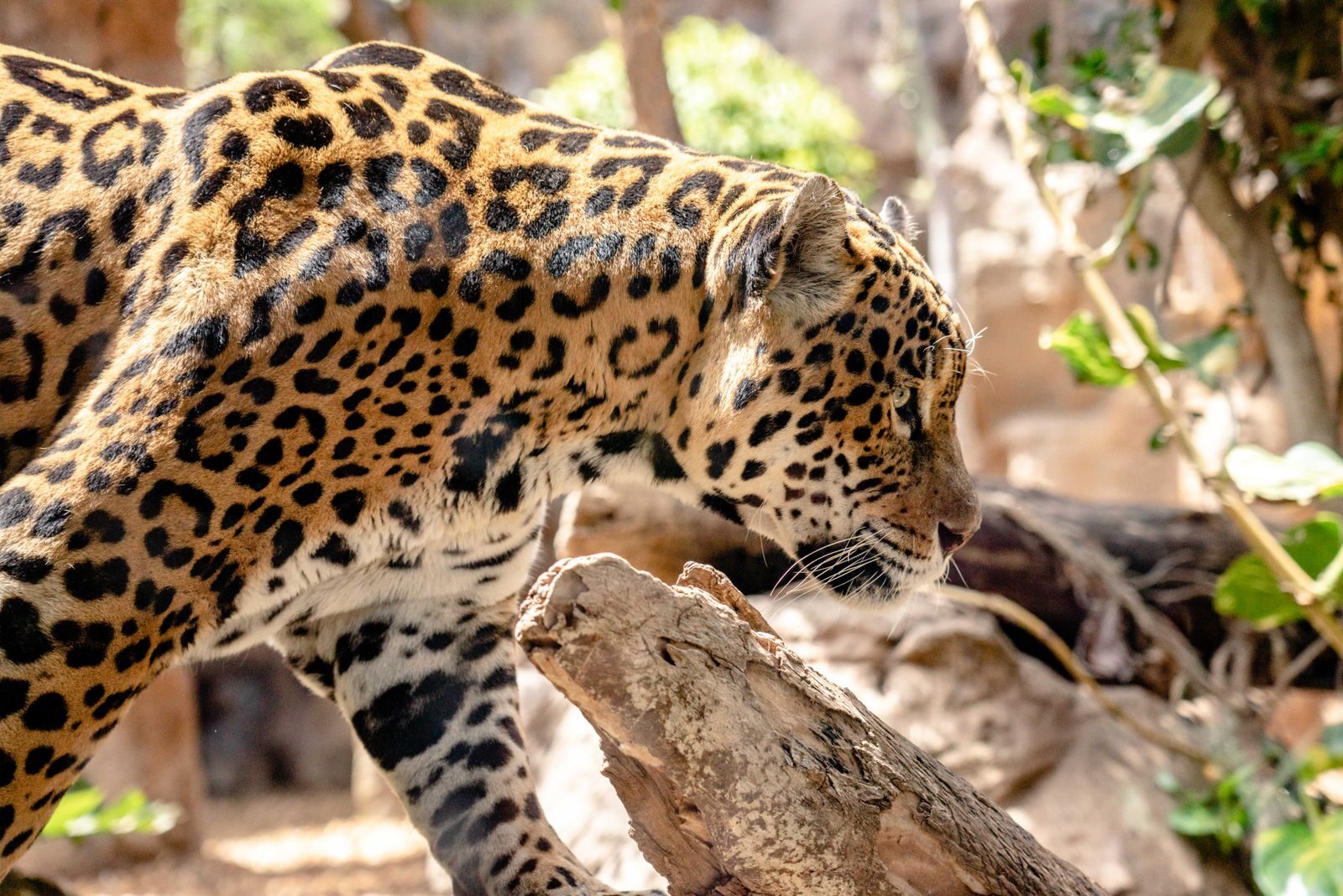
Jaguar, leopard, or cheetah... would your family know which spotted cat they were looking at? Invite your kids to become wildlife detectives for International Jaguar Day! Pull
Homeschool Learning Connection
Jaguar, leopard, or cheetah… would your family know which spotted cat they were looking at? Invite your kids to become wildlife detectives for International Jaguar Day! Pull up pictures of all three and compare their markings, faces, and body shapes. Then find where each one lives on a map. Once everyone has spotted a few differences, try showing a mystery photo and see which clues your kids use to make their guesses.
Discover More
A big cat that’s comfortable in the water might surprise your kids! Explore National Geographic Kids’ jaguar profile together to meet this powerful swimmer. Take a closer look at those rose-shaped markings, called rosettes, then discover how jaguars hunt around rivers. If your family usually pictures cats avoiding water, this could start a fun conversation!
december
02dec12:00 pmNational Mutt Day
Homeschool Learning Connection
Have your kids ever spotted a dog and wondered what breeds might be hiding in its family tree? National Mutt Day celebrates those wonderfully unique mixed-breed dogs that
Homeschool Learning Connection
Have your kids ever spotted a dog and wondered what breeds might be hiding in its family tree? National Mutt Day celebrates those wonderfully unique mixed-breed dogs that seem to have a little bit of everything! A dog’s floppy ears, curly tail, spotted coat, and even its size are influenced by genes inherited from its parents. When dogs of different breeds have puppies together, those genes can combine in all sorts of surprising ways, creating a remarkable variety of appearances. Invite your kids to look at pictures of several mixed-breed dogs and see if they can guess which breeds might be part of their ancestry. They might be surprised at how tricky it can be!
more
Discover More
Think you can guess a dog’s breed just by looking at it? Even the experts get fooled! Researchers at the University of Florida asked thousands of dog professionals to identify mixed-breed dogs from photographs, then compared their guesses with DNA test results. The differences are pretty surprising! Put your family’s detective skills to the test with the university’s Dog Breed Identification Photo Chart. Study each dog’s photograph before revealing its genetic ancestry. How many breeds can your kids correctly identify? And which results surprise them the most?
04dec12:00 pmInternational Cheetah Day
Homeschool Learning Connection
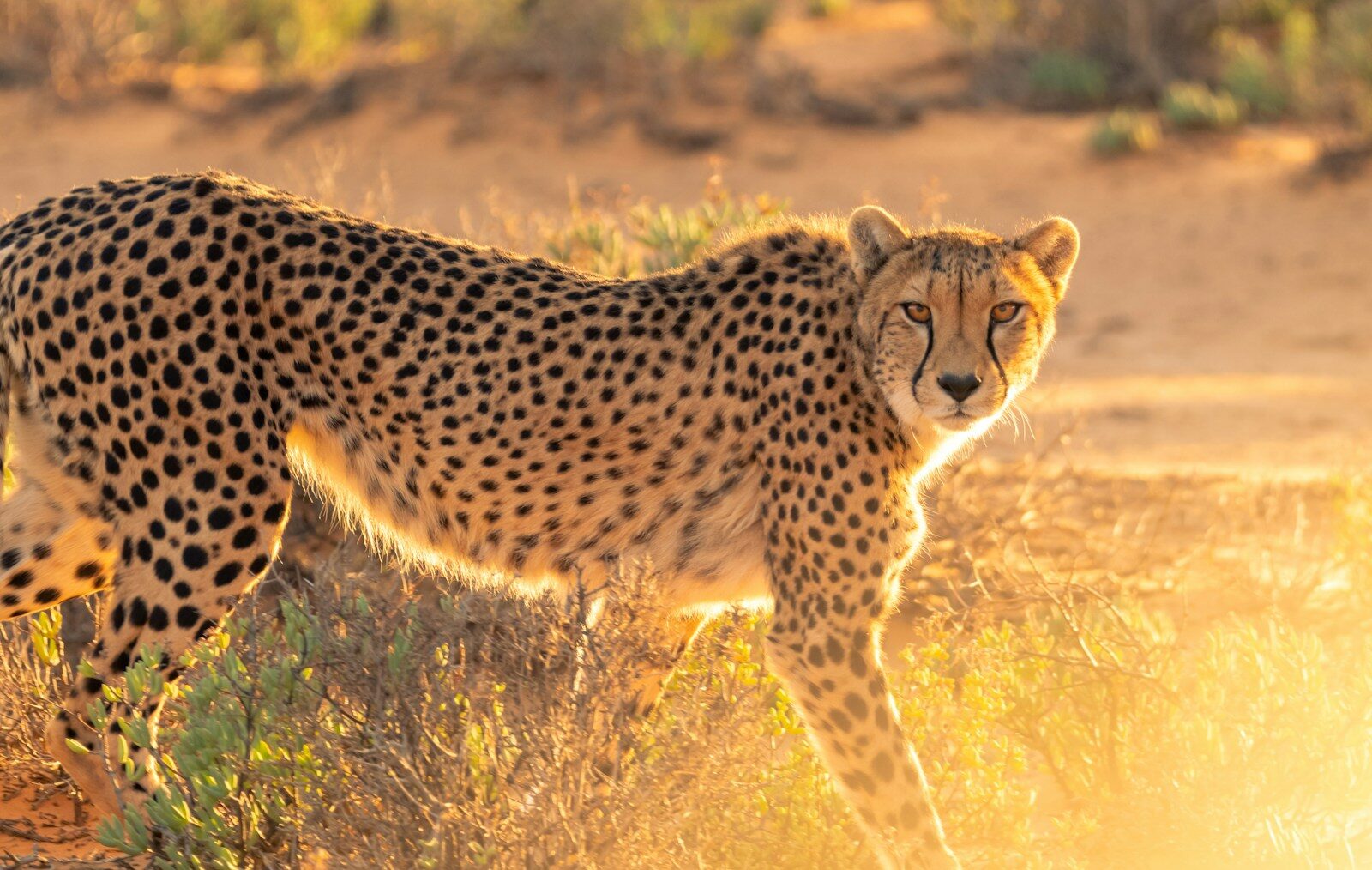
A cat that can run faster than a car traveling down the highway? Your kids might have a hard time believing just how fast a cheetah can go!
Homeschool Learning Connection
A cat that can run faster than a car traveling down the highway? Your kids might have a hard time believing just how fast a cheetah can go! These remarkable African cats are the fastest land animals on Earth, reaching speeds of 60 to 70 miles per hour in short bursts. Their long legs, flexible spines, and muscular tails help them accelerate, balance, and make sharp turns while chasing prey. Even their claws are specially adapted to grip the ground, almost like the cleats on an athlete’s shoes! Invite your kids to imagine racing a cheetah across a football field. How much of a head start do they think they’d need?
more
Discover More
What sound does a cheetah make? If your kids are expecting a mighty roar like a lion’s, they’re in for a surprise! Cheetahs can’t roar, but they can purr, growl, and even make high-pitched chirping sounds that resemble birds. Listen to these amazing cheetahs chirping at the Cheetah Conservation Fund in Namibia. Then challenge your kids to imitate the different sounds. Could they identify a cheetah just by listening? Then challenge your kids to find Namibia on DUYW’s World Explorer Map!
09dec12:00 pmNational Llama Day
Homeschool Learning Connection
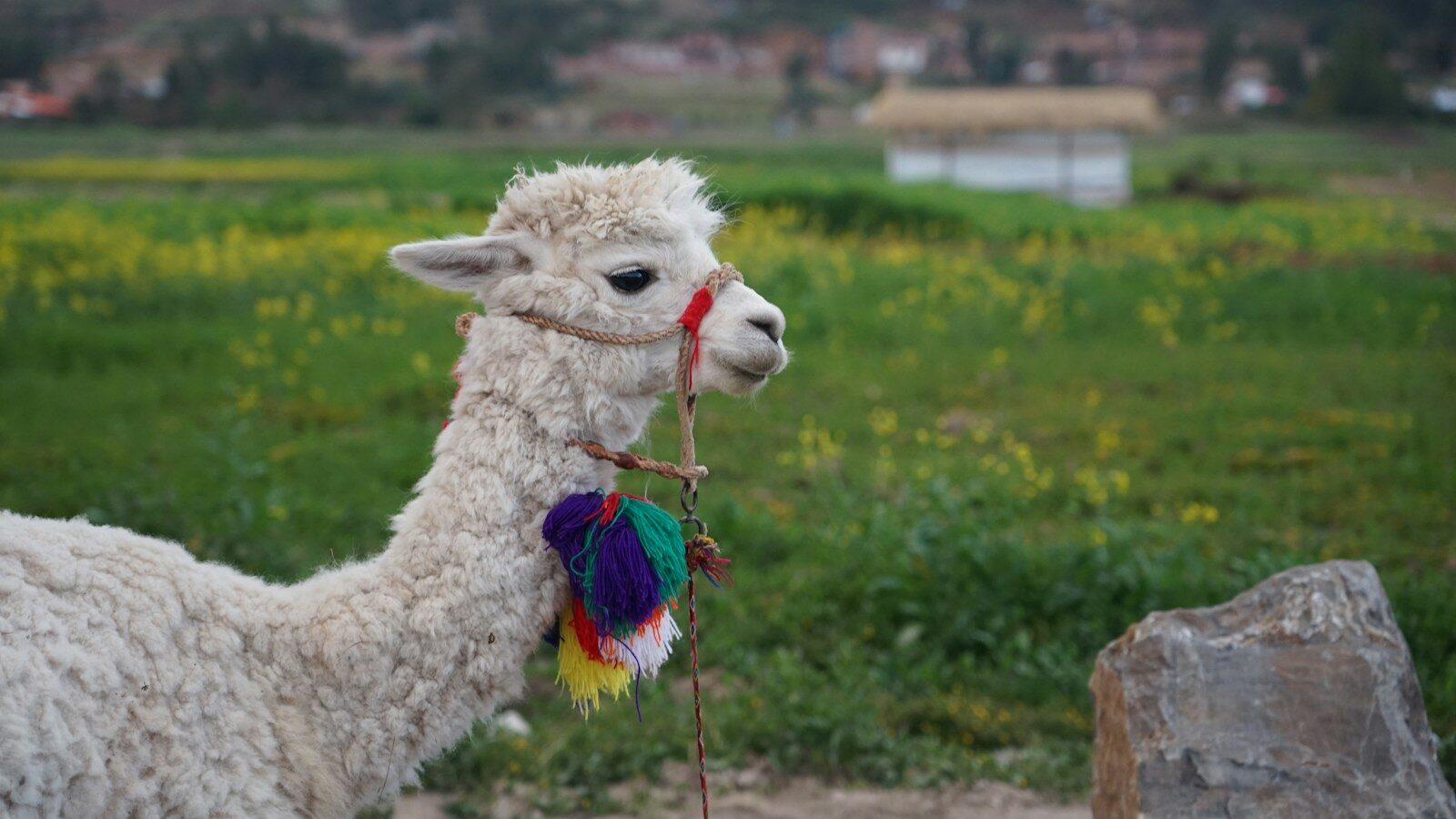
Have your kids ever wondered what the difference is between a llama and an alpaca? These fuzzy South American cousins might look similar, but they have some fascinating
Homeschool Learning Connection
Have your kids ever wondered what the difference is between a llama and an alpaca? These fuzzy South American cousins might look similar, but they have some fascinating differences! Llamas are generally larger, with long, banana-shaped ears, while alpacas are smaller and prized for their especially soft fleece. For thousands of years, people living in the Andes Mountains have relied on llamas to carry supplies along steep mountain trails and provide fiber for clothing and textiles. Grab a map and help your kids find Peru and Bolivia, where these remarkable animals have played an important role in everyday life. Can they imagine traveling through the mountains with a caravan of llamas carrying their belongings?
more
Discover More
Did you know the colorful woven textiles of Peru often feature intricate geometric patterns inspired by nature and Andean traditions? Bring a little of that artistry into your homeschool with MaryMaking’s beautiful Llamas with Peruvian Textiles art project! Your kids will create a colorful background filled with repeating patterns, then draw, cut out, and place their own llama on top. This is one of those wonderful art projects where every child’s creation turns out completely different, yet each one is beautiful in its own way! I think you’ll love seeing what your young artists come up with.
13dec12:00 pmNational Day of the Horse

Homeschool Learning Connection
Have your kids ever wondered what life would have been like before cars, tractors, and trains? For thousands of years, horses helped people travel, farm, transport goods, and
Homeschool Learning Connection
Have your kids ever wondered what life would have been like before cars, tractors, and trains? For thousands of years, horses helped people travel, farm, transport goods, and explore new lands. National Day of the Horse celebrates the remarkable role these animals have played throughout history and the special relationship they continue to share with people today. In fact, the U.S. Senate officially recognized this celebration in 2004 to honor the horse’s contributions to American life! Invite your kids to imagine a day without modern transportation or machinery. How many everyday jobs might have depended on horses just a few generations ago?
more
Discover More
Did you know horses can see almost all the way around themselves without turning their heads? With eyes positioned on the sides of their heads, horses have a field of vision covering approximately 350 degrees! This helps them spot approaching predators, although they still have small blind spots directly in front of and behind them. Discover how horses see the world in Horse Education Online’s Equine Vision: Understanding How Horses See the World. Then compare the position of a horse’s eyes with your own. Why might an animal that hunts need different eyesight from one that is often hunted?
Homeschool Learning Connection
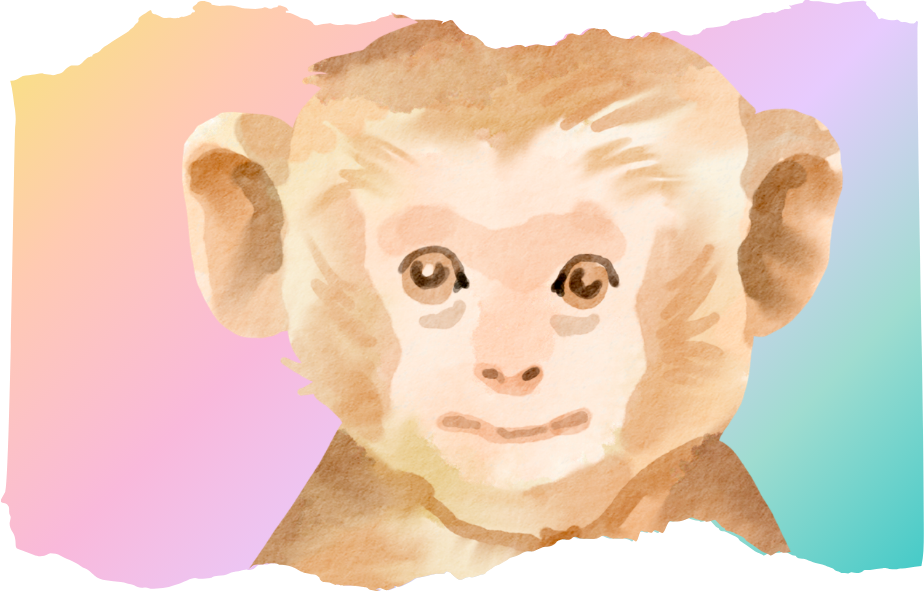
Have your kids ever wondered what monkeys are actually saying when they chatter, shriek, or call to one another? Some monkeys have surprisingly sophisticated ways of communicating! Vervet
Homeschool Learning Connection
Have your kids ever wondered what monkeys are actually saying when they chatter, shriek, or call to one another? Some monkeys have surprisingly sophisticated ways of communicating! Vervet monkeys, for example, use different alarm calls to warn their troop about dangers like eagles, leopards, and snakes. And that’s just the beginning of what makes these clever primates so fascinating! Celebrate Monkey Day with DUYW’s Monkey Day Learning Adventure, where your kids can explore monkey communication, experiment with onomatopoeia in a rainforest writing prompt, discover the differences between Old World and New World monkeys, and even uncover the surprising connection between monkeys and chocolate. There’s a fun family communication challenge, too!
more
27dec12:00 pmVisit the Zoo Day

Homeschool Learning Connection
Have your kids ever wondered what happens behind the scenes at a zoo? There's often a whole lot more going on than feeding animals and cleaning enclosures! Many
Homeschool Learning Connection
Have your kids ever wondered what happens behind the scenes at a zoo? There’s often a whole lot more going on than feeding animals and cleaning enclosures! Many zoos are also important centers for wildlife conservation, where scientists, veterinarians, and animal care specialists work together to protect endangered species. Some even participate in special breeding programs that help raise animals for release back into their natural habitats. From caring for tiny newborns to studying animal behavior and restoring wild populations, their work can make an extraordinary difference. Celebrate Visit the Zoo Day by exploring how your favorite zoo helps protect wildlife. Your kids might be surprised to discover just how much conservation work happens beyond the exhibits!
more
Discover More
Can you imagine an entire species surviving with just 22 birds left? That’s how close the California condor came to extinction in 1982! Thanks to an extraordinary conservation effort involving the San Diego Zoo Wildlife Alliance and its partners, more than 600 condors are now alive, with over half soaring freely in the wild. Scientists even used condor-shaped puppets to help raise chicks without getting them accustomed to people! Now your family can peek behind the scenes with the San Diego Zoo Safari Park’s live Condor Cam and see these magnificent birds for yourselves. Can your kids spot any interesting behaviors? What might the birds be communicating to one another?
january
29jan12:00 pmSeeing Eye Dog Day
Homeschool Learning Connection
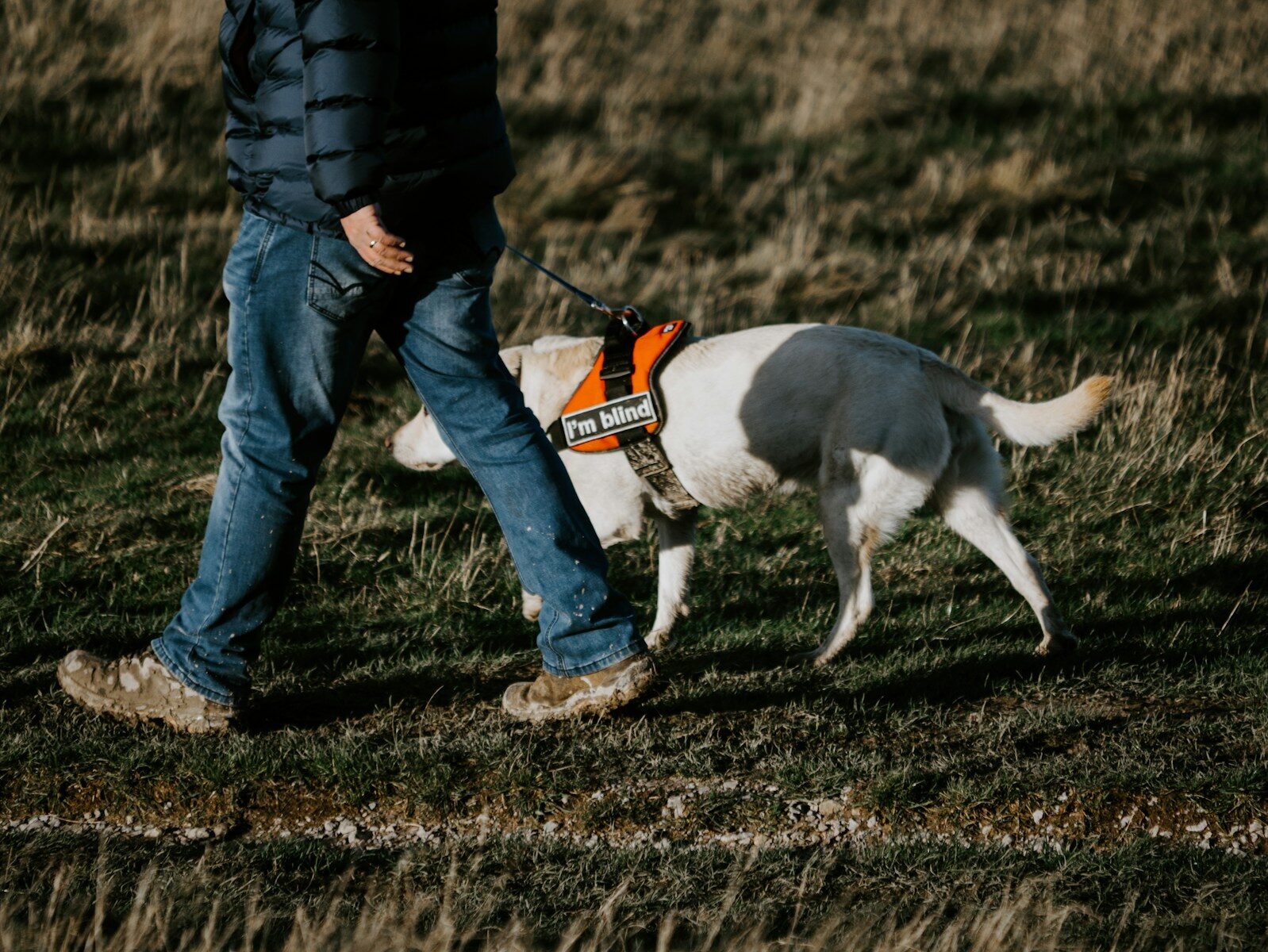
Imagine navigating a busy sidewalk, crossing streets, or finding your way through a crowded store with the help of a four-legged friend! Guide dogs receive special training
Homeschool Learning Connection
Imagine navigating a busy sidewalk, crossing streets, or finding your way through a crowded store with the help of a four-legged friend! Guide dogs receive special training to help people who are blind or have low vision travel safely and independently. Talk with your kids about the incredible teamwork between a guide dog and its handler. What skills do you think a dog needs to learn before taking on such an important job?
Discover More
Have your kids ever spotted a guide dog wearing a harness and wanted to pet it? As tempting as it might be, these hardworking pups need to stay focused! Even a friendly hello can distract them from keeping their handlers safe. Explore The Seeing Eye’s five tips for meeting a guide dog and learn how your family can help these amazing teams do their jobs.
31jan12:00 pmInternational Zebra Day
Homeschool Learning Connection
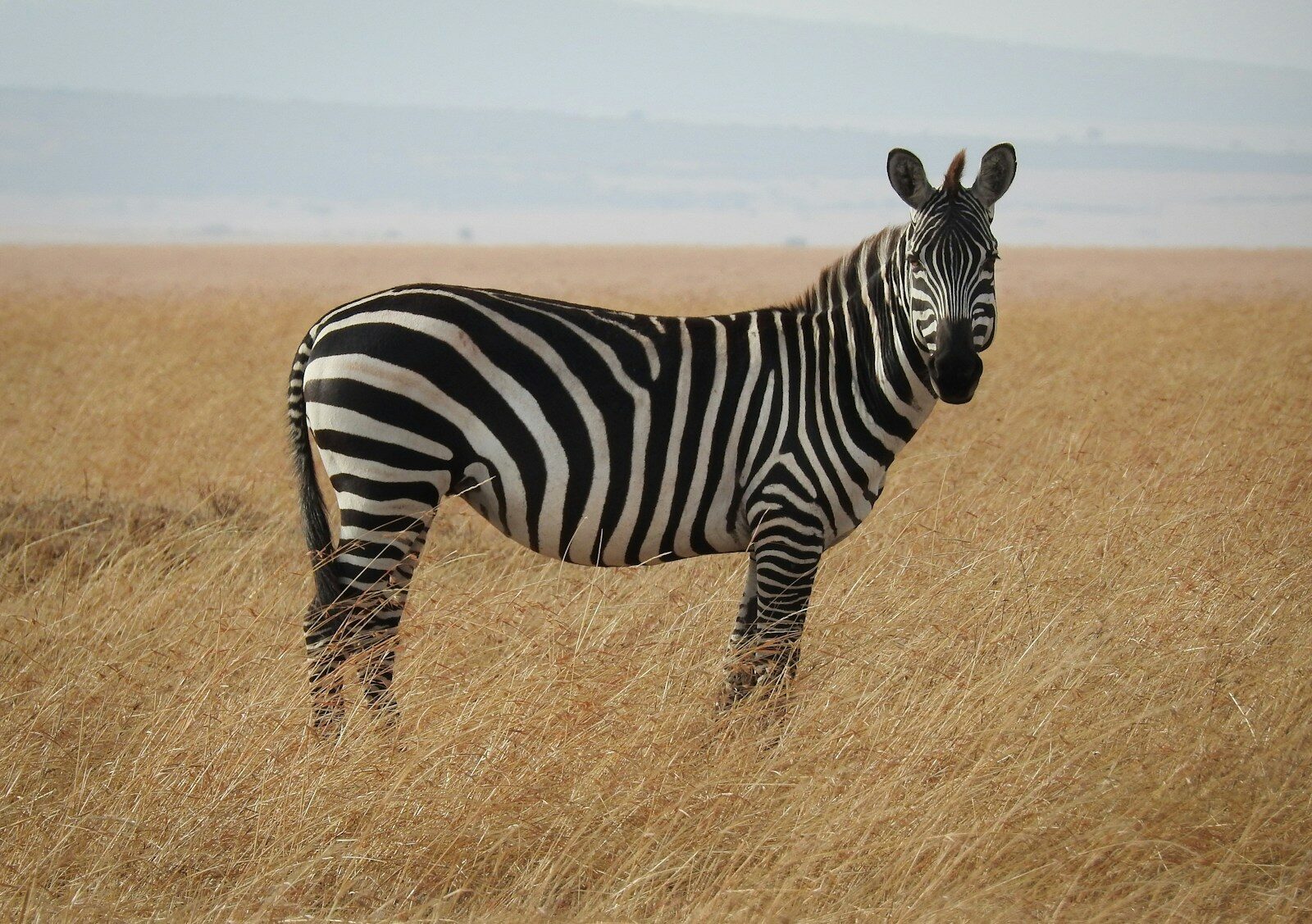
Is a zebra black with white stripes or white with black stripes? Believe it or not, there's a scientific answer! Zebras have black skin beneath their striped
Homeschool Learning Connection
Is a zebra black with white stripes or white with black stripes? Believe it or not, there’s a scientific answer! Zebras have black skin beneath their striped coats, and their white stripes form where pigment production is reduced. Take a closer look at a zebra’s pattern, then invite your kids to design their own stripes. Could they create two zebras that look alike but aren’t quite identical?
Discover More
Why do zebras have stripes in the first place? Scientists have explored several possibilities, including camouflage, temperature regulation, and even protection from biting flies! Research suggests those pesky flies have a harder time landing on striped surfaces. Explore more fascinating zebra facts with the African Wildlife Foundation, and see which stripe theory surprises your kids the most!
october
01oct12:00 amInternational Raccoon Appreciation Day
Homeschool Learning Connection
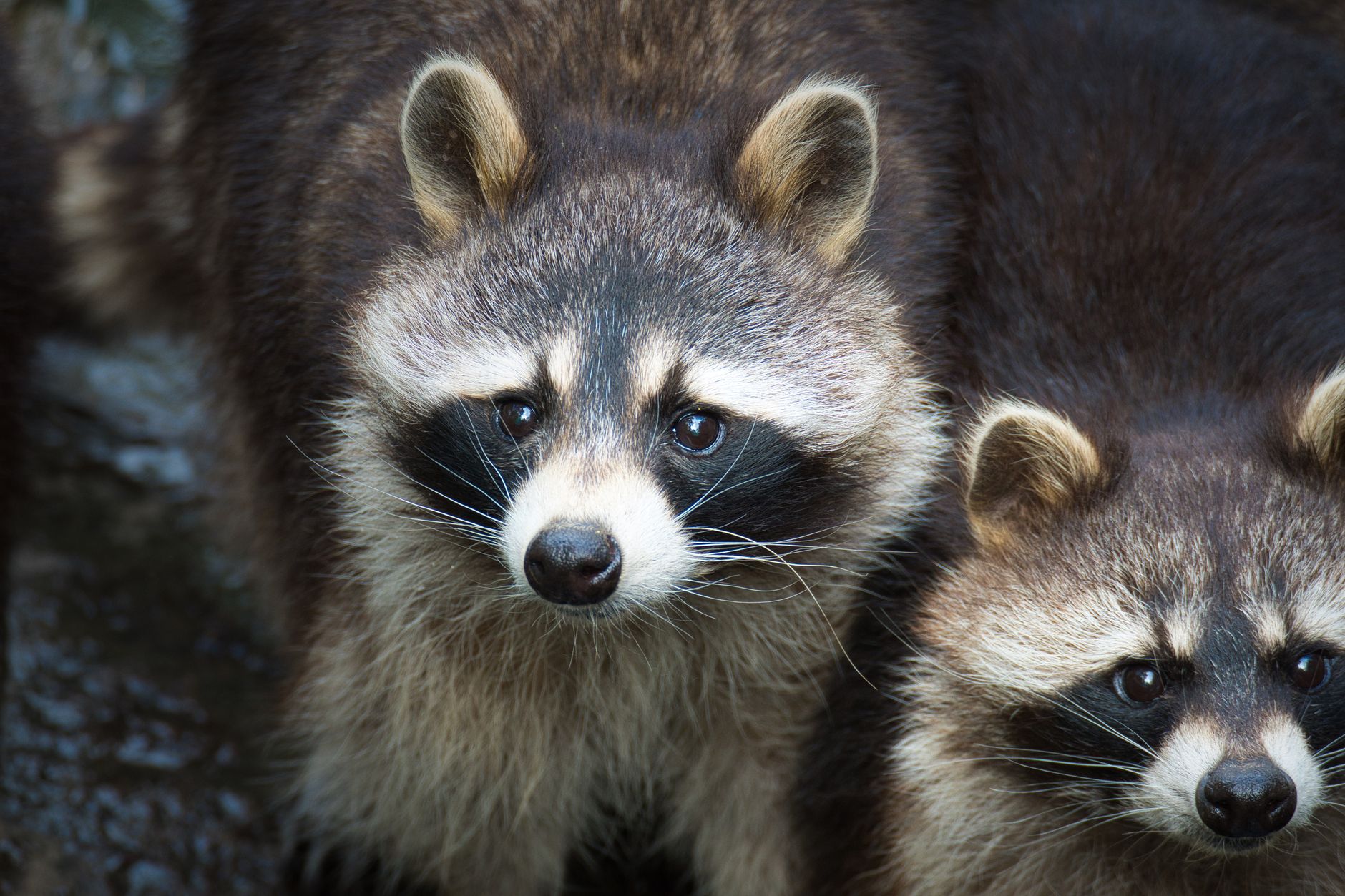
Meet one of nature's cleverest problem-solvers! Raccoons use their remarkably sensitive paws to explore the world, climb trees, and investigate almost anything that catches their curiosity. Discover how
Homeschool Learning Connection
Meet one of nature’s cleverest problem-solvers! Raccoons use their remarkably sensitive paws to explore the world, climb trees, and investigate almost anything that catches their curiosity. Discover how these adaptable animals survive in forests, wetlands, and even busy cities.
Discover More
Can a raccoon solve a puzzle to earn a marshmallow? Scientists discovered that some raccoons could figure out how to raise the water level in a container to reach a tasty treat, while another found a completely unexpected solution! Explore National Geographic’s 5 Fun Facts About Raccoons to discover just how clever these masked mammals really are.
Homeschool Learning Connection
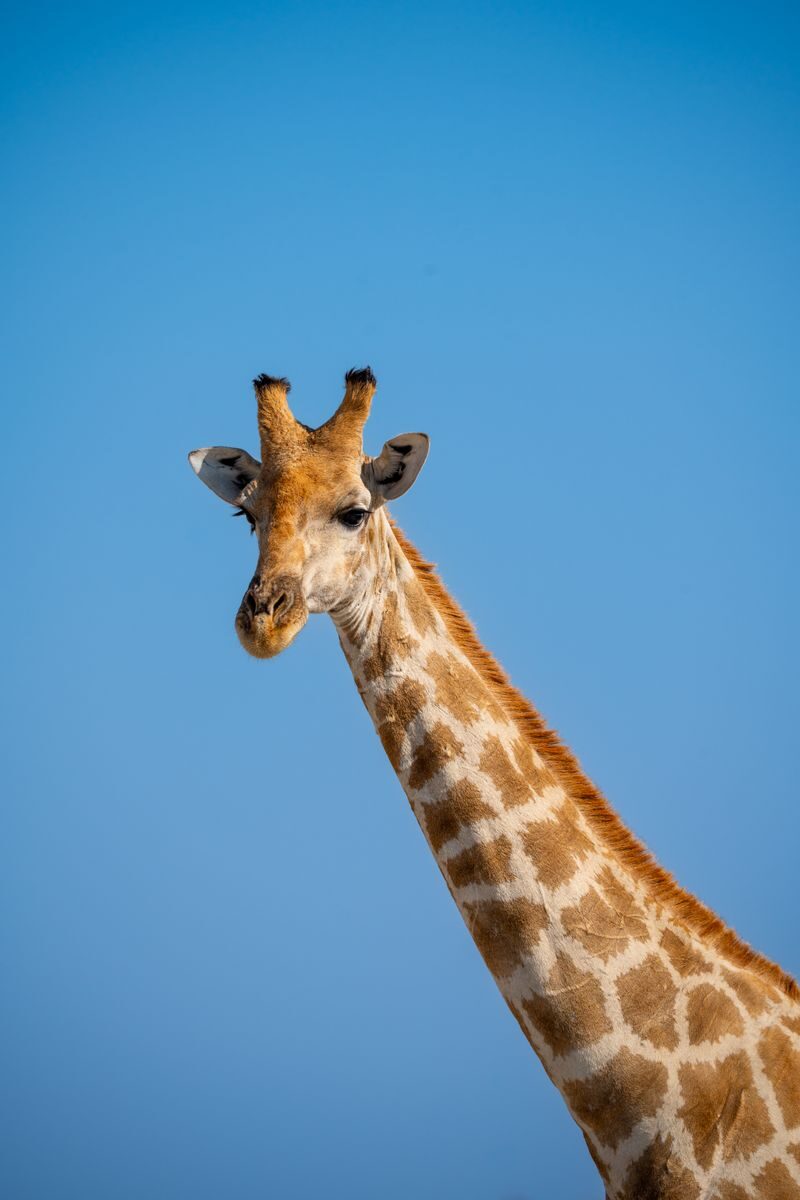
From backyard birds to endangered wildlife, animals depend on healthy habitats and thoughtful care. Choose a species, locate its home on a map, and investigate one way people
Homeschool Learning Connection
From backyard birds to endangered wildlife, animals depend on healthy habitats and thoughtful care. Choose a species, locate its home on a map, and investigate one way people can help protect it.
Discover More
Animals need more than food and water! Discover how habitats support wildlife with National Geographic Kids animal facts, then choose one animal and draw a habitat that meets its needs.
08oct12:00 amWorld Octopus Day ✨
Homeschool Learning Connection
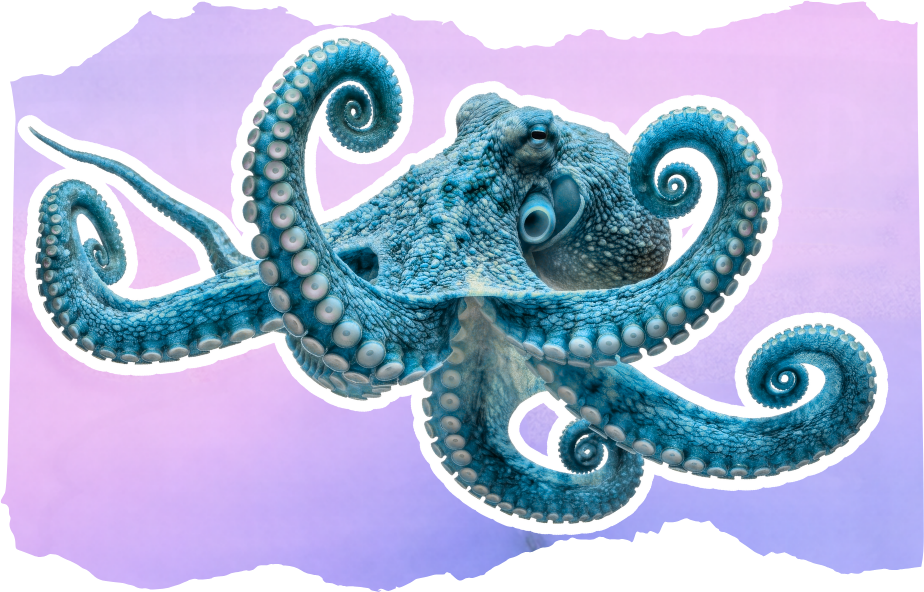
With eight arms, three hearts, and some astonishing survival skills, octopuses are full of surprises. Take a closer look at one of the ocean's most fascinating animals.
Homeschool Learning Connection
With eight arms, three hearts, and some astonishing survival skills, octopuses are full of surprises. Take a closer look at one of the ocean’s most fascinating animals.
17oct12:00 amInternational Sawfish Day
Homeschool Learning Connection
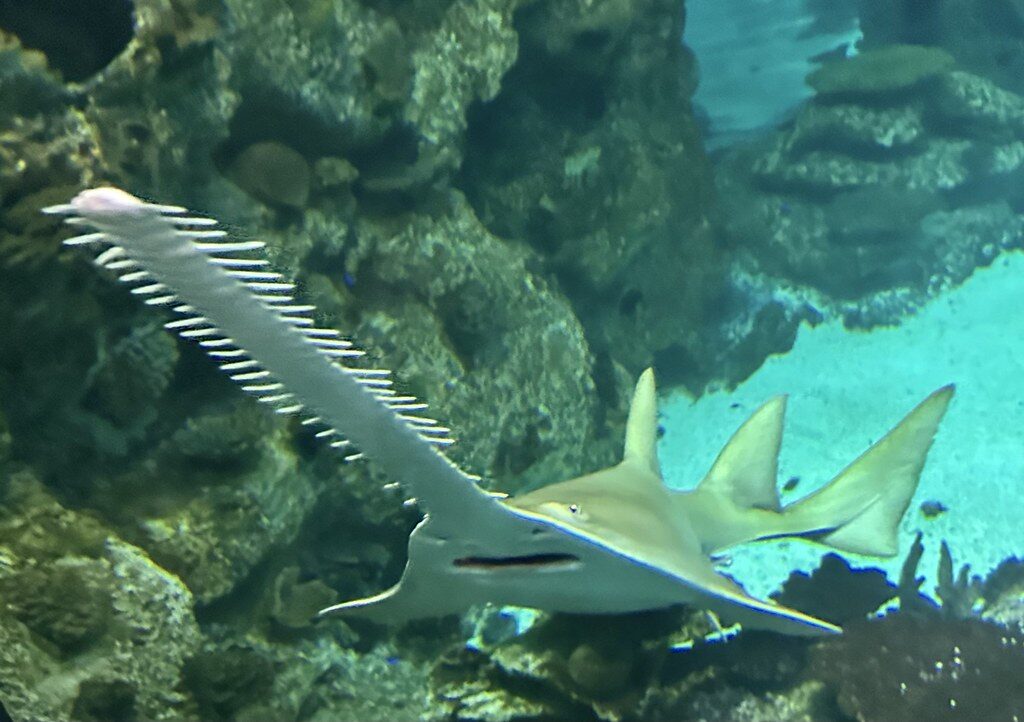
A fish with a saw on its face sounds like something your kids might invent, but this animal is real! Despite their shark-like shape, sawfish are actually rays.
Homeschool Learning Connection
A fish with a saw on its face sounds like something your kids might invent, but this animal is real! Despite their shark-like shape, sawfish are actually rays. International Sawfish Day is a wonderful chance to meet an unusual ocean neighbor and explore how animals are grouped into families. Let your kids compare pictures of sawfish, sharks, and stingrays. Which similarities can they spot?
Discover More
That tooth-lined snout has a hidden talent: it can sense tiny electrical signals from nearby animals! Visit NOAA’s smalltooth sawfish page together and head to “Behavior and Diet” to discover how this built-in food finder works. Before reading, ask your kids how they think a sawfish uses its “saw” to catch dinner. Their guesses could make for a fun conversation!
Homeschool Learning Connection
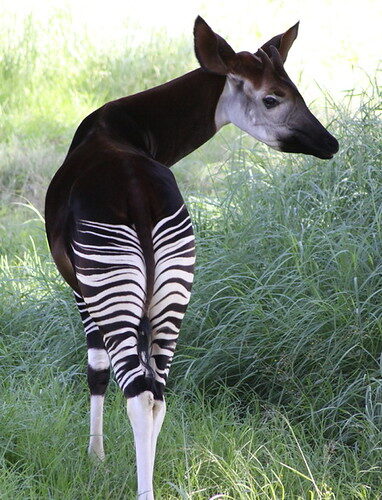
With those striped legs, your kids might guess this animal belongs in the zebra family. Surprise! The okapi is actually the giraffe’s closest living relative, sometimes called the
Homeschool Learning Connection
With those striped legs, your kids might guess this animal belongs in the zebra family. Surprise! The okapi is actually the giraffe’s closest living relative, sometimes called the “forest giraffe.” World Okapi Day introduces your family to a shy animal that lives in the rainforests of the Democratic Republic of the Congo. Find its home on a map, then compare pictures of okapis and giraffes. Beyond that very different neck, what family resemblances can your kids spot?
Discover More
Those bold stripes might seem like a strange outfit for an animal trying to hide! Explore National Geographic’s okapi photos and facts with your kids to discover how the markings blend with streaks of sunlight in the forest. Then invite them to draw a leafy hiding place for an okapi. Can they make its stripes disappear among the shadows and light?
20oct12:00 amInternational Sloth Day ✨
Homeschool Learning Connection
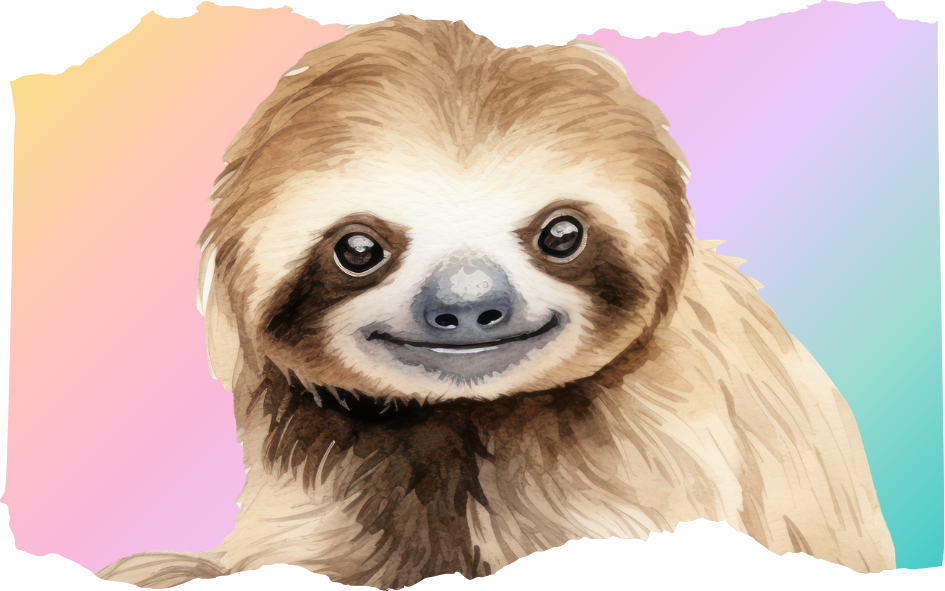
We’ve teamed up with Dress Up Your Writing for a full cross-curricular learning adventure! We've packed it with a cozy book pick, a fun "Would You Rather" game,
Homeschool Learning Connection
We’ve teamed up with Dress Up Your Writing for a full cross-curricular learning adventure! We’ve packed it with a cozy book pick, a fun “Would You Rather” game, a free printable mini-lesson incorporating geography and biology, and a creative writing prompt called The Slowest Day Ever (plus a hilarious Sloth Dinner Challenge!).
21oct12:00 amNational Reptile Awareness Day
Homeschool Learning Connection
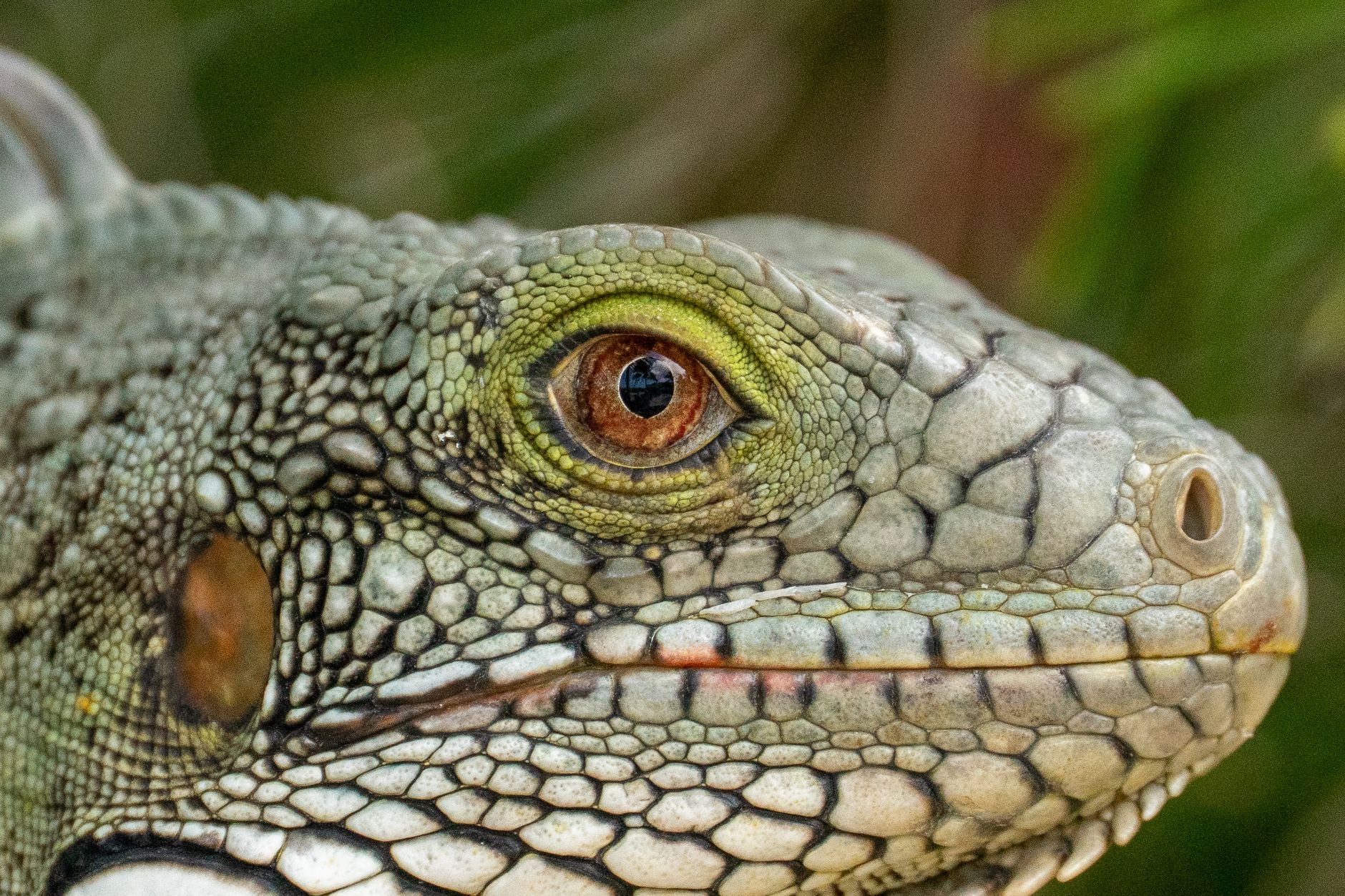
A snake slithers away, a turtle retreats into its shell, and a lizard basks on a sunny rock. Reptiles have some fascinating ways of getting through the day!
Homeschool Learning Connection
A snake slithers away, a turtle retreats into its shell, and a lizard basks on a sunny rock. Reptiles have some fascinating ways of getting through the day! Invite your kids to choose two favorites and compare how they move, find food, and stay safe. Then explore why a warm rock or a shady hiding place matters so much to an animal whose body temperature depends largely on its surroundings.
Discover More
Imagine cleaning your eyeballs with your tongue! Some geckos don’t have movable eyelids, so they use their tongues to lick away dust and dirt. Talk about an unusual way to keep your eyes clean! Discover more amazing reptile facts with San Diego Zoo’s guide to lizards
Homeschool Learning Connection
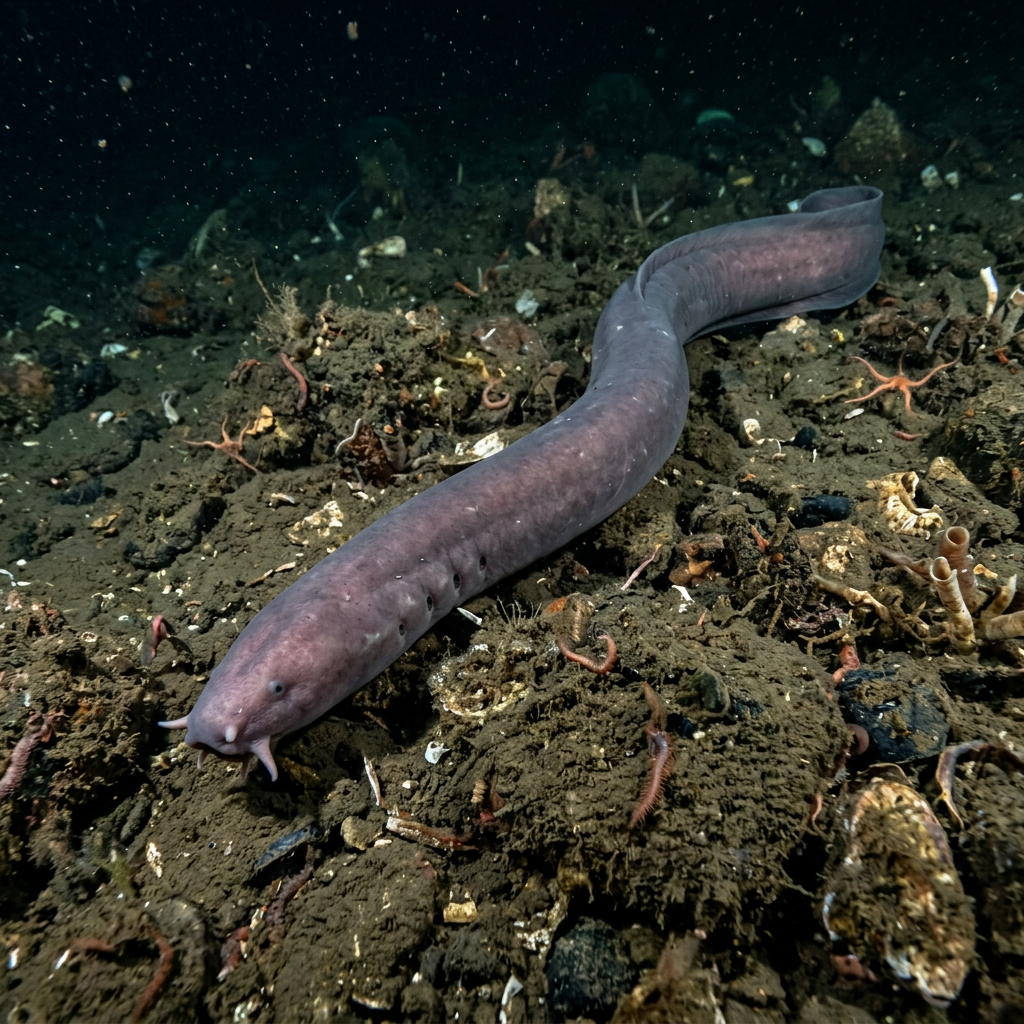
If your kids love anything that makes you say “Eww!”, the hagfish might be their new favorite animal! When threatened, this ocean dweller releases slime that can
Homeschool Learning Connection
If your kids love anything that makes you say “Eww!”, the hagfish might be their new favorite animal! When threatened, this ocean dweller releases slime that can clog a predator’s gills and help it escape. Hagfish Day is a wonderfully gooey way to explore how animals protect themselves. Ask your kids to compare this slimy defense with a turtle’s shell or a porcupine’s quills.
Discover More
Ready to turn that fascination with slime into some hands-on learning? Head over to DUYW’s National Slime Day Learning Adventure to explore animal slime and try making oobleck. This curious mixture can feel firm when squeezed, then flow when you relax your grip. If your kids are willing to get a little messy, there’s plenty to investigate!
21oct12:00 amWorld Earthworm Day
Homeschool Learning Connection
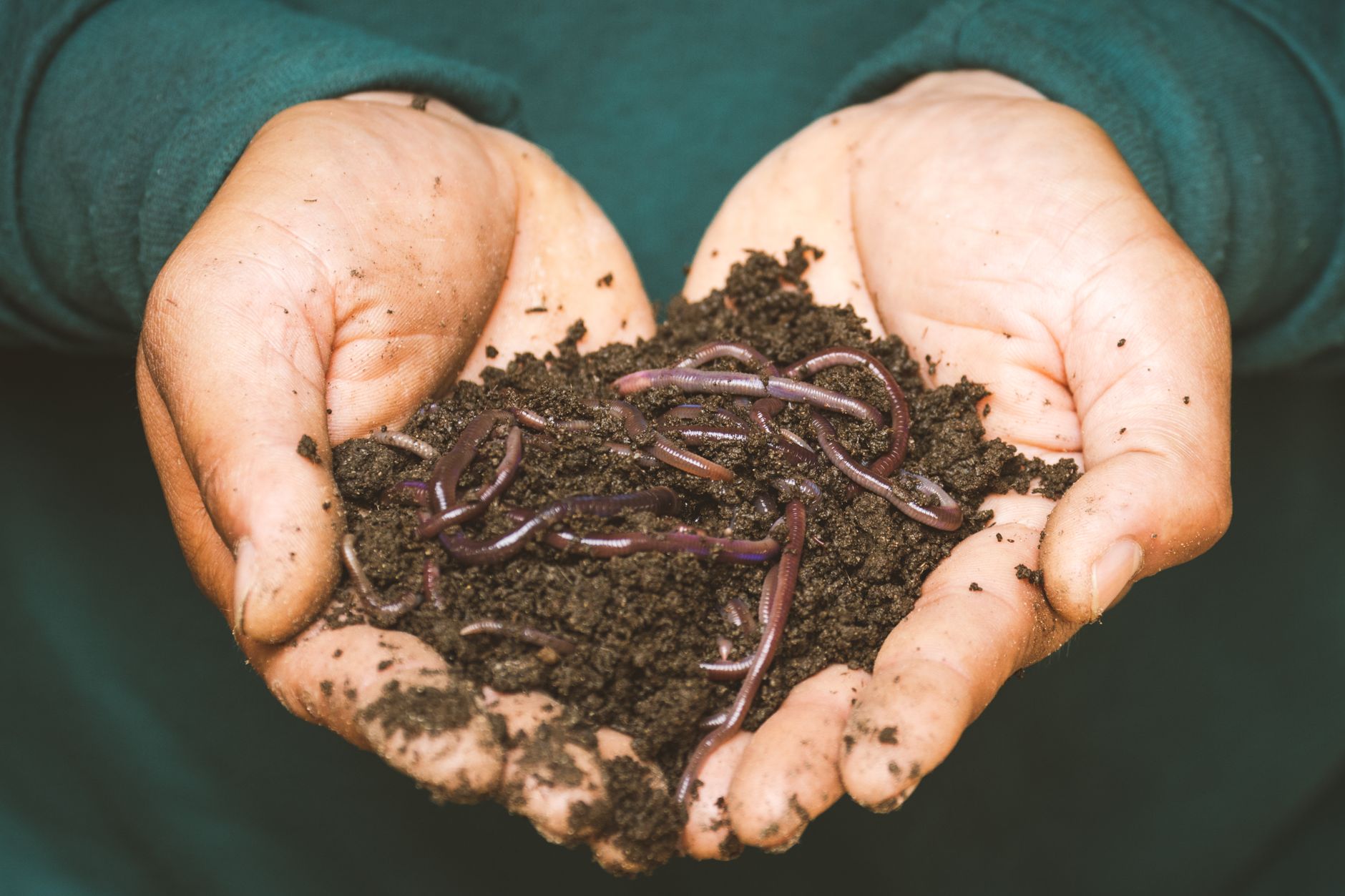
There’s a whole world beneath your garden, and your kids don’t have to dig very far to meet one of its residents! World Earthworm Day is a lovely
Homeschool Learning Connection
There’s a whole world beneath your garden, and your kids don’t have to dig very far to meet one of its residents! World Earthworm Day is a lovely excuse to head outside and look closely at the soil. If you find a worm, watch it for a moment before leaving it where it belongs. Explore how earthworms break down old plant material and make tunnels that help air and water move through the ground.
Discover More
No legs, no feet… so how does an earthworm get a grip? Tiny bristles called setae help it move through the soil! Explore National Geographic Kids’ earthworm facts with your kids, then watch how a worm stretches and shortens its body as it travels. Those little wiggles have a lot more purpose than you might think!
22oct12:00 amInternational Wombat Day
Homeschool Learning Connection
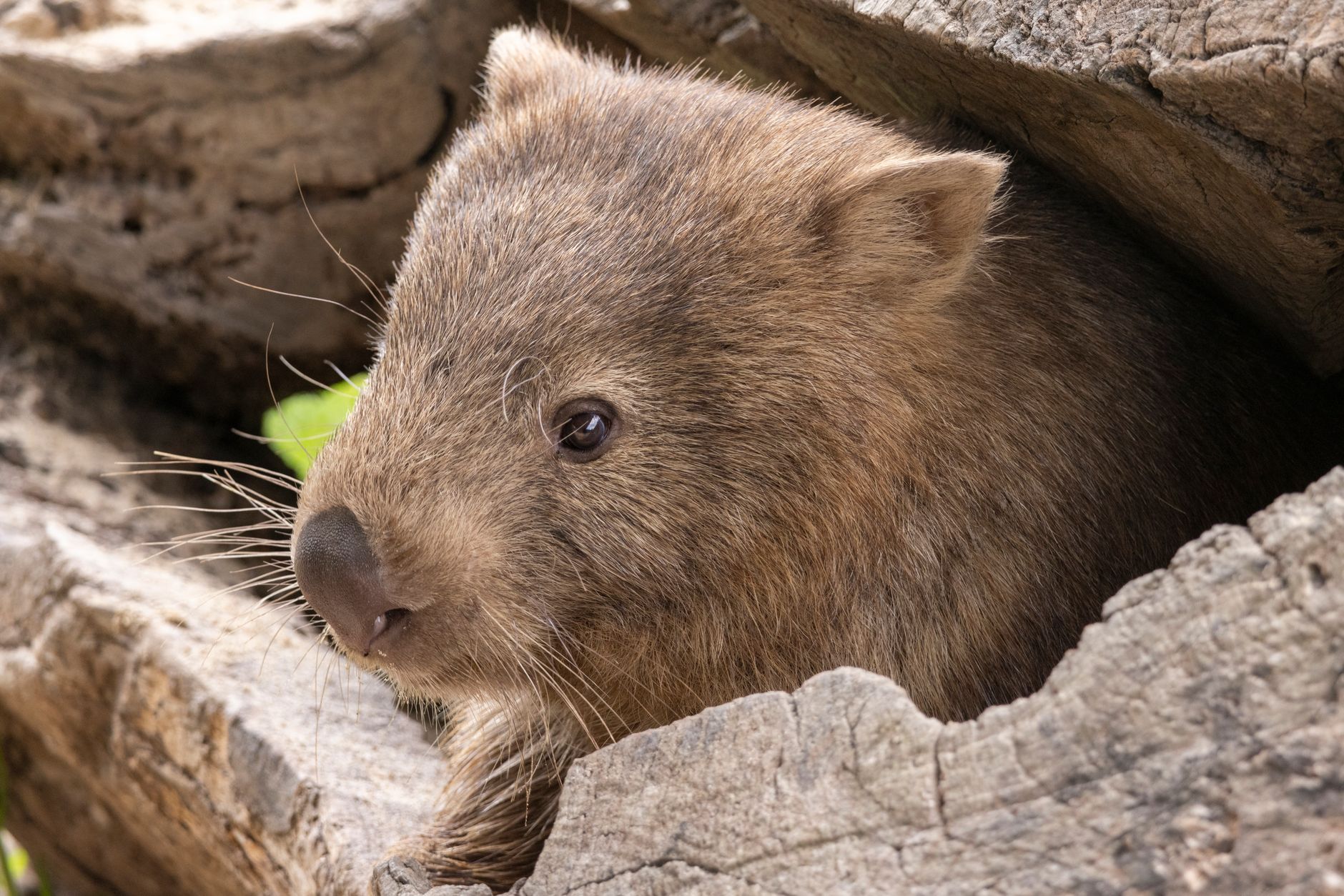
An animal that digs its own bedroom and leaves cube-shaped poop outside? Your kids may have a few questions about this one! International Wombat Day introduces your family
Homeschool Learning Connection
An animal that digs its own bedroom and leaves cube-shaped poop outside? Your kids may have a few questions about this one! International Wombat Day introduces your family to a sturdy Australian marsupial built for digging. Explore how its strong legs and powerful claws help it create an underground home, then invite your kids to sketch a burrow. What might make it a good place to rest during the day?
Discover More
How does a digging mama keep dirt out of her baby’s pouch? A wombat’s pouch opens toward the back! Watch ABC Education’s Our Animals: Wombat video with your kids to see these busy diggers at work. Look for how the front paws loosen soil while the back legs push it away. That little body has quite a digging system!
23oct12:00 amInternational Snow Leopard Day
Homeschool Learning Connection
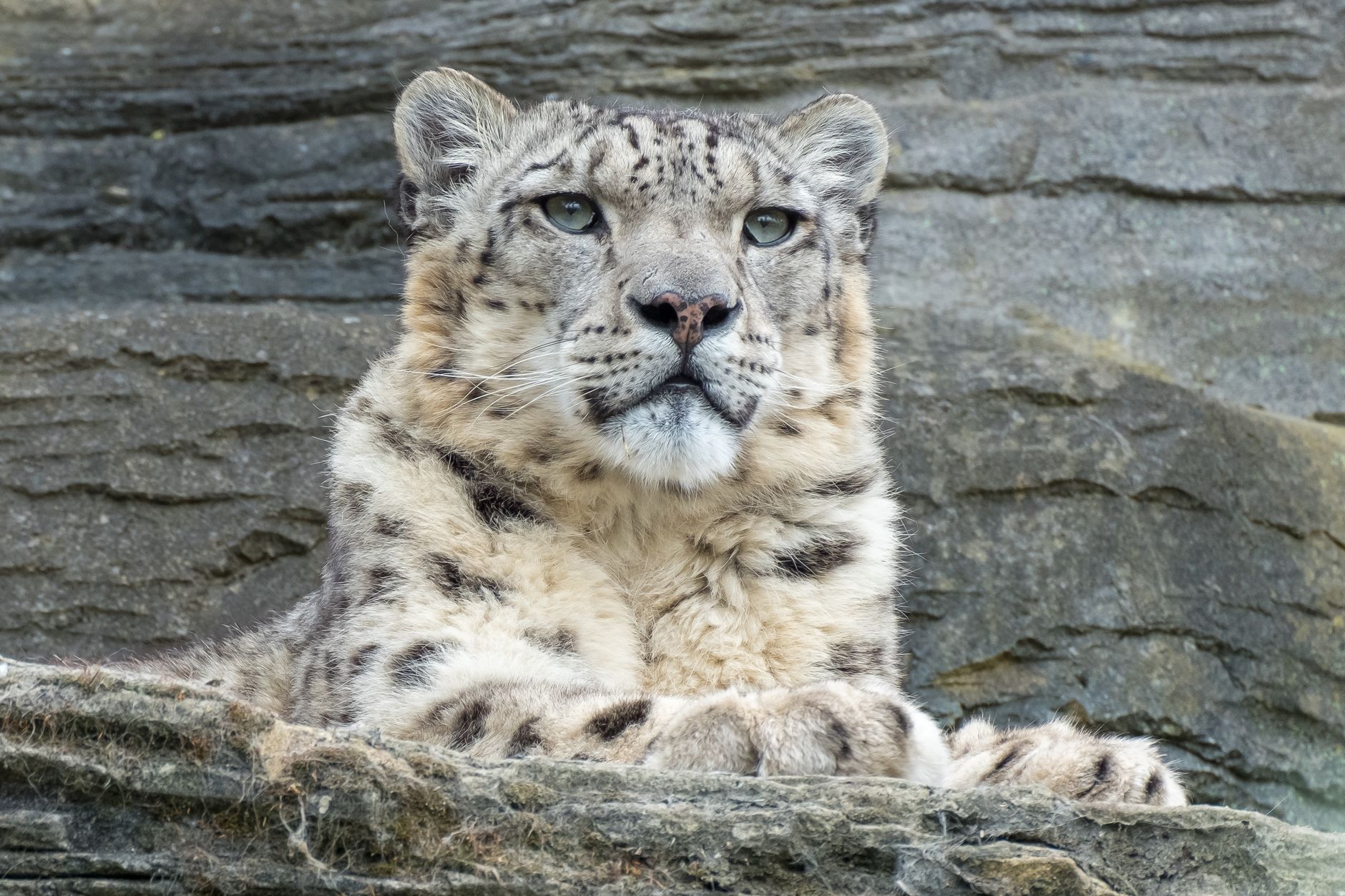
Snowshoes, a cozy scarf, and a warm winter coat? Snow leopards have their own built-in winter gear! Their enormous, furry paws work like snowshoes, helping them travel across
Homeschool Learning Connection
Snowshoes, a cozy scarf, and a warm winter coat? Snow leopards have their own built-in winter gear! Their enormous, furry paws work like snowshoes, helping them travel across deep snow, while their thick coats keep them warm in the icy mountains of Central and South Asia. And here’s something your kids might love: snow leopards can wrap their long, fluffy tails around their noses like scarves when they rest! Find their mountain homes on a map, then take a closer look at how their tails also help them balance on steep, rocky slopes. Which of these clever adaptations would your kids (or you!) most like to borrow on a snowy day?
more
Discover More
A big cat that can’t roar? Your kids might be surprised to learn that snow leopards communicate through sounds such as mews, growls, and a gentle puff called a chuff! Explore the Snow Leopard Trust’s fascinating facts together and let everyone choose a discovery to share.
24oct12:00 amInternational Gibbon Day
Homeschool Learning Connection
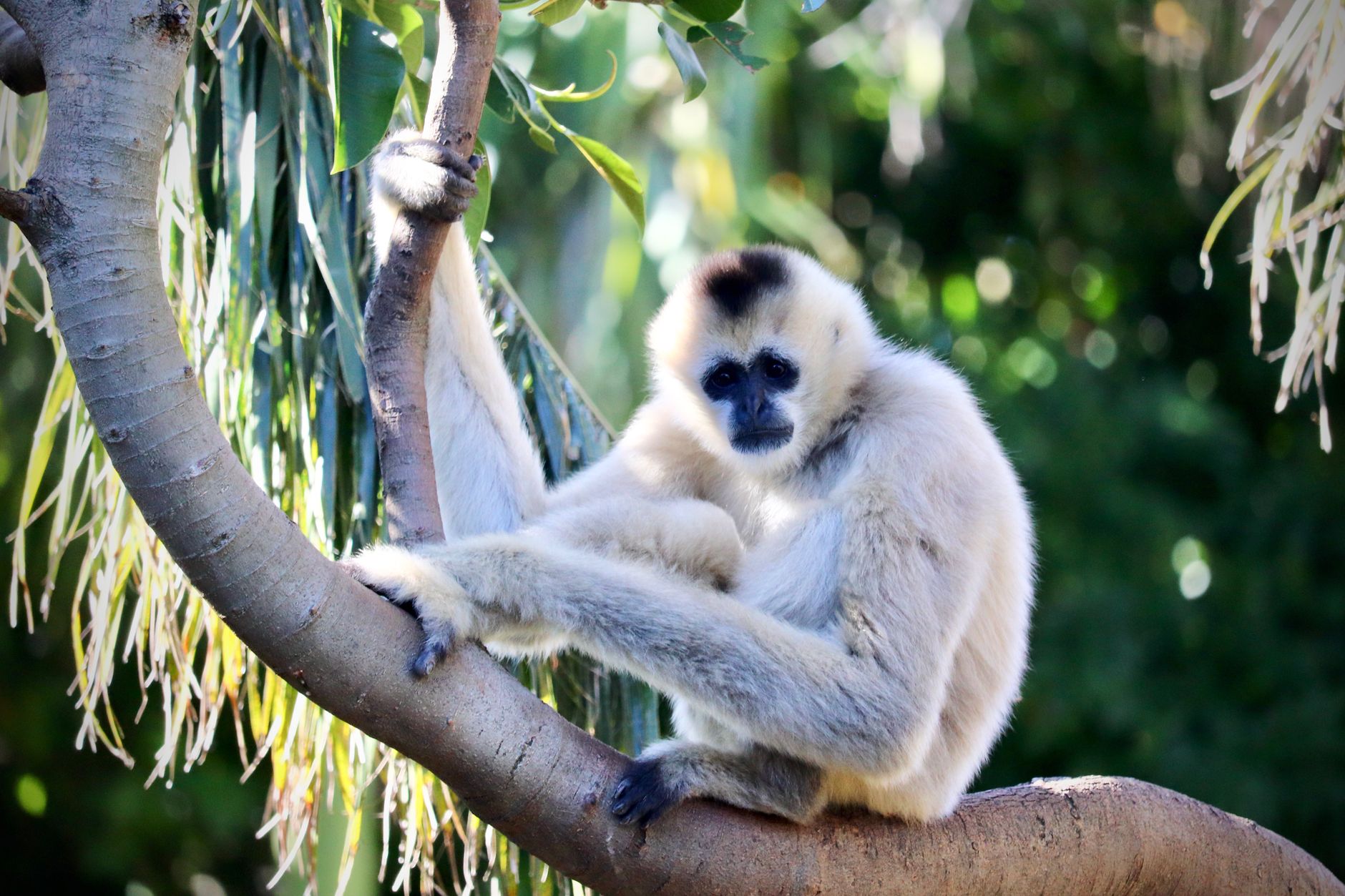
If your kids love the monkey bars, introduce them to a treetop traveler that makes swinging look effortless! Gibbons use their long arms and flexible shoulders to move
Homeschool Learning Connection
If your kids love the monkey bars, introduce them to a treetop traveler that makes swinging look effortless! Gibbons use their long arms and flexible shoulders to move hand over hand through the branches, a movement called brachiation. Find Southeast Asia on a map, then explore these apes’ forest homes. Invite your kids to imagine traveling high above the ground!
Discover More
Imagine waking up to a rainforest concert instead of an alarm clock! Gibbons send musical calls through the trees, and some pairs even sing duets. Listen to this collection of real gibbon songs with your kids and compare a few voices. Do they hear whistles, whoops, or sounds they can’t quite describe? The page also includes a map showing where the different gibbons live.
24oct12:00 amFreshwater Dolphin Day
Homeschool Learning Connection
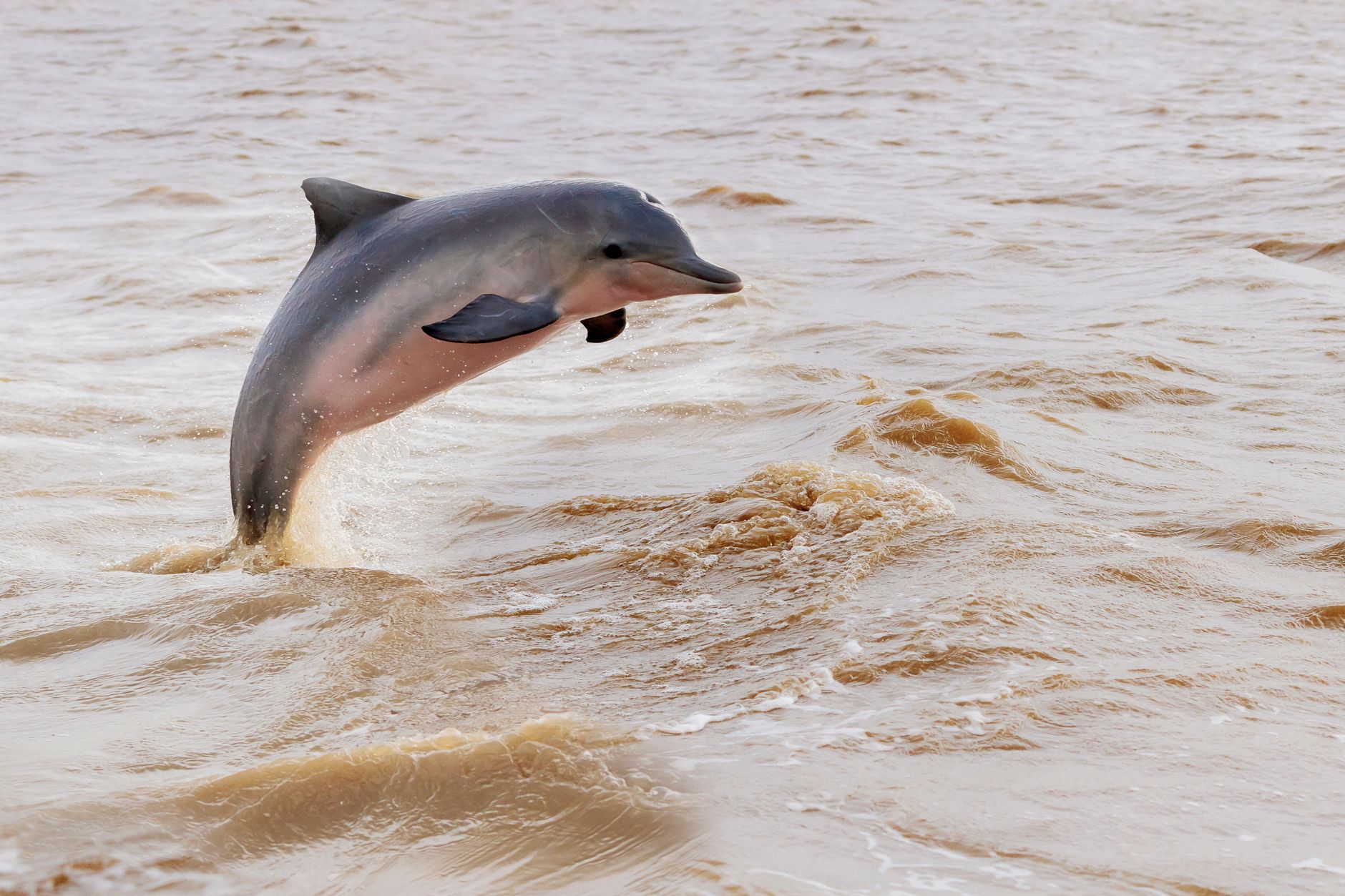
If your kids picture ocean waves when they hear “dolphin,” they’re in for a surprise! Some dolphins make their homes in the rivers of South America and Asia.
Homeschool Learning Connection
If your kids picture ocean waves when they hear “dolphin,” they’re in for a surprise! Some dolphins make their homes in the rivers of South America and Asia. Find the Amazon and Ganges rivers on a map, then imagine trying to find dinner in water too murky to see through. Explore how river dolphins use sound and returning echoes to help them find their way and locate food.
Discover More
A pink dolphin sounds like something from a storybook, but Amazon river dolphins are real! Meet them in WWF’s freshwater dolphin guide, then browse the other river dwellers with your kids. Compare their colors, snouts, and body shapes.
26oct12:00 amNational Mule Day
Homeschool Learning Connection
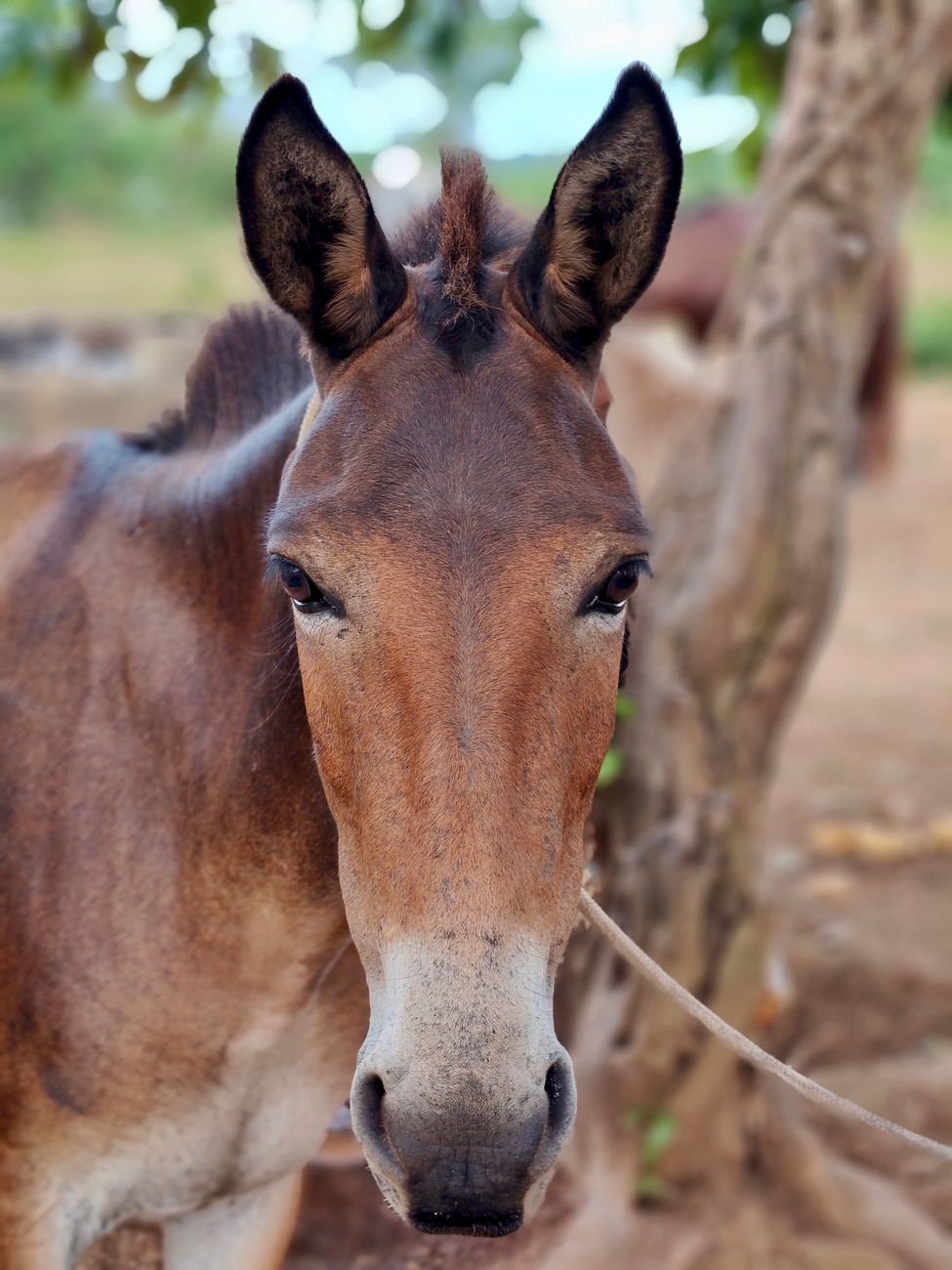
Those long ears might say “donkey,” but there’s more to a mule’s family story! With a donkey father and a horse mother, a mule offers your kids a
Homeschool Learning Connection
Those long ears might say “donkey,” but there’s more to a mule’s family story! With a donkey father and a horse mother, a mule offers your kids a fascinating introduction to inherited traits. Compare pictures of all three animals and see which similarities they notice. Then explore why people have relied on mules to pull canal boats, haul supplies, and travel through places where wheels aren’t much help.
Discover More
How would you deliver supplies down a steep canyon trail? Sometimes the answer has four hooves and very long ears! Find the Grand Canyon in Arizona on a map, then watch the National Park Service’s short mule videos together. Look for mules carrying riders and packed supplies. Would your kids rather explore the trail on foot or from a mule’s back?
Homeschool Learning Connection
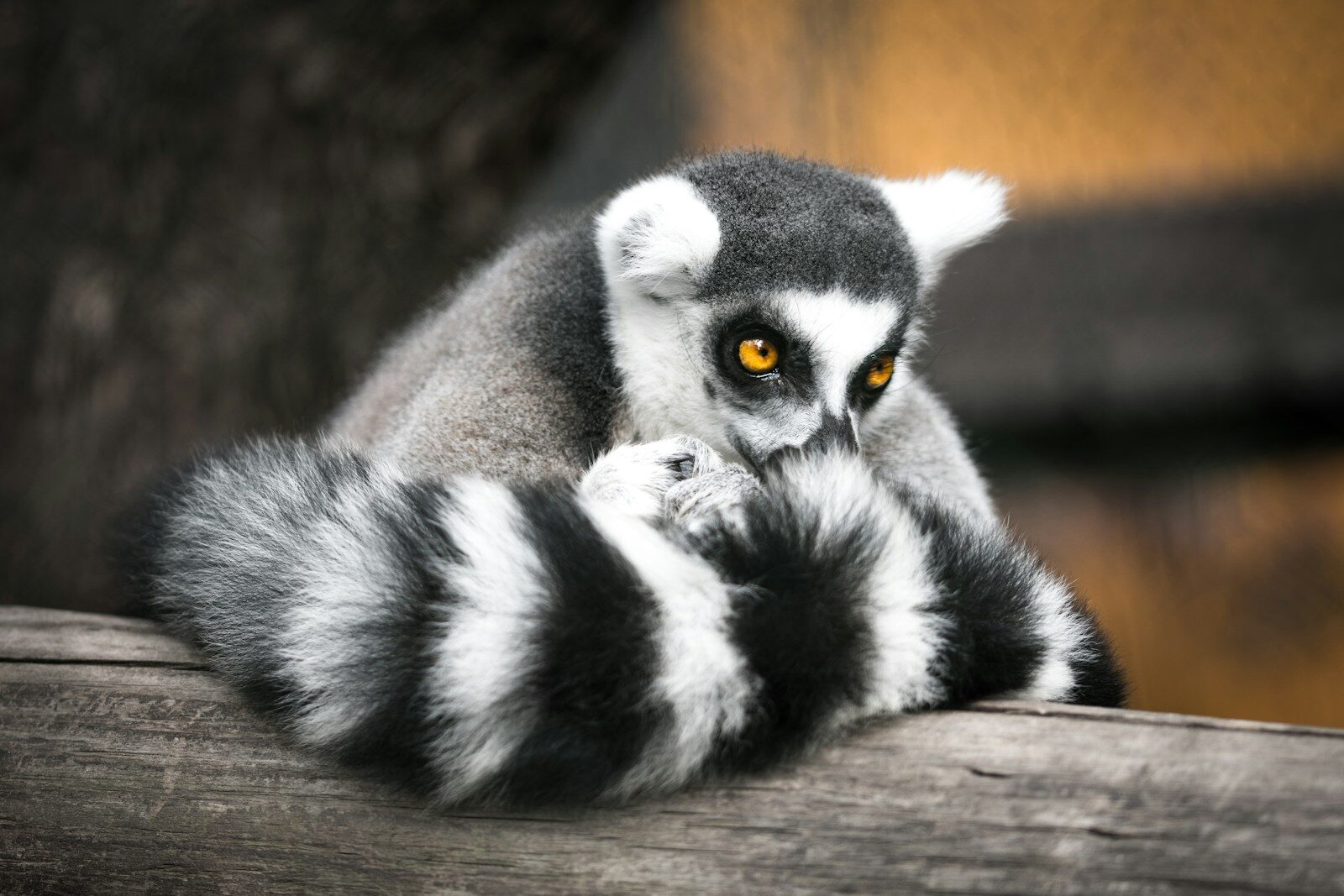
A lemur with a tail like a striped flag? Your kids might be surprised to learn that ring-tailed lemurs use theirs to help keep the group together! Lemurs
Homeschool Learning Connection
A lemur with a tail like a striped flag? Your kids might be surprised to learn that ring-tailed lemurs use theirs to help keep the group together! Lemurs are primates native to Madagascar, the large island nation off the southeastern coast of Africa. Ring-tailed lemurs have 13 alternating black-and-white bands on their tails, and they hold them up as they travel so troop members can spot one another. Invite your kids to find Madagascar on a map and imagine what it might be like to move through a forest with your family close by.
Discover More
A lemur’s grooming routine includes a built-in comb! Lemurs use special forward-facing lower teeth to groom their fur, and they have a second, smaller tongue that helps clean the comb. Explore the Smithsonian’s Meet the Zoo’s Lemurs to see how these fascinating adaptations help lemurs care for themselves.
29oct12:00 amNational Cat Day ✨
Homeschool Learning Connection
Cats experience the world in ways that are very different from humans. Explore their remarkable senses, behaviors, and adaptations and find out what everyday life might look like
Homeschool Learning Connection
Cats experience the world in ways that are very different from humans. Explore their remarkable senses, behaviors, and adaptations and find out what everyday life might look like through cat eyes.