Food-Themed Days
Turn your kitchen into a homeschool classroom with food-themed National Days! From pancakes and chocolate to favorite foods from around the world, these delicious celebrations offer opportunities to explore cooking, nutrition, food science, geography, and cultural traditions. Discover food holidays that encourage hands-on learning, family cooking activities, and a little tasty curiosity along the way.
november
01nov12:00 pmNational Cinnamon Day ✨
Homeschool Learning Connection
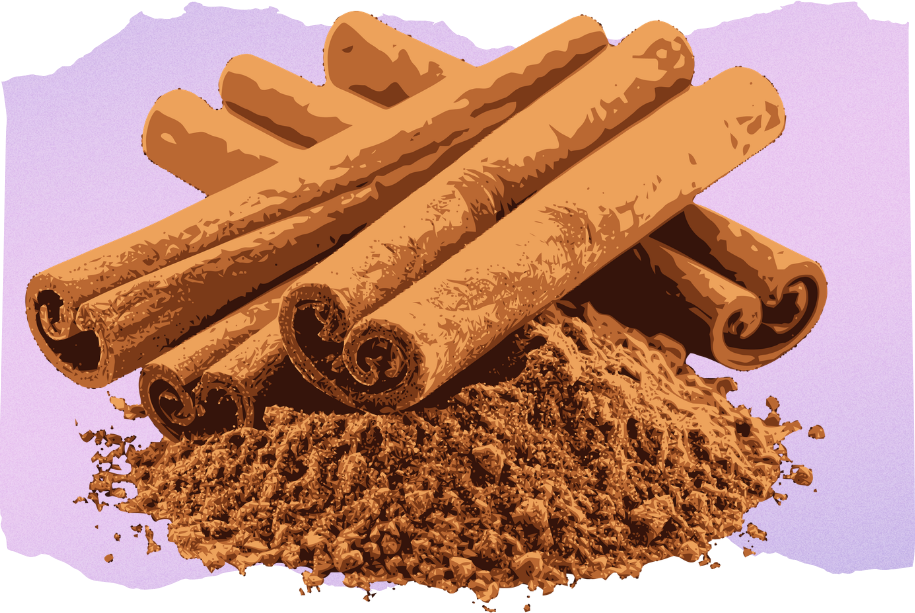
Cinnamon is more than a cozy kitchen spice. Follow it from tropical trees in Sri Lanka to ancient trade routes, then explore word choice, books, and a surprising
Homeschool Learning Connection
Cinnamon is more than a cozy kitchen spice. Follow it from tropical trees in Sri Lanka to ancient trade routes, then explore word choice, books, and a surprising cinnamon science experiment.
03nov12:00 pmNational Sandwich Day ✨
Homeschool Learning Connection
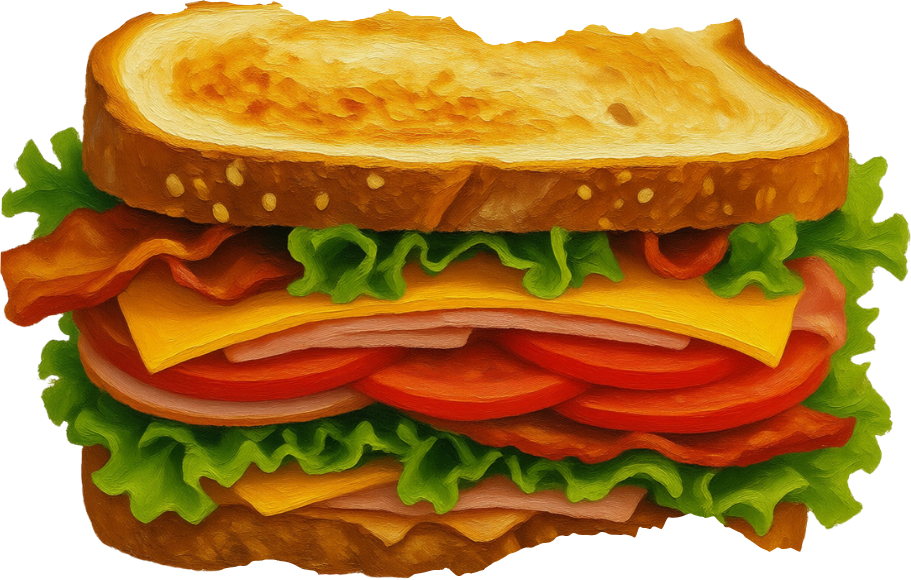
<p>Is a hot dog a sandwich? Before you decide, meet the Earl of Sandwich and discover how his title became an everyday word. Investigate sandwiches and filled breads
Homeschool Learning Connection
Is a hot dog a sandwich? Before you decide, meet the Earl of Sandwich and discover how his title became an everyday word. Investigate sandwiches and filled breads from around the world, then create your own definition of a sandwich and put it to the test in a family debate!
04nov12:00 pmNational Candy Day
Homeschool Learning Connection
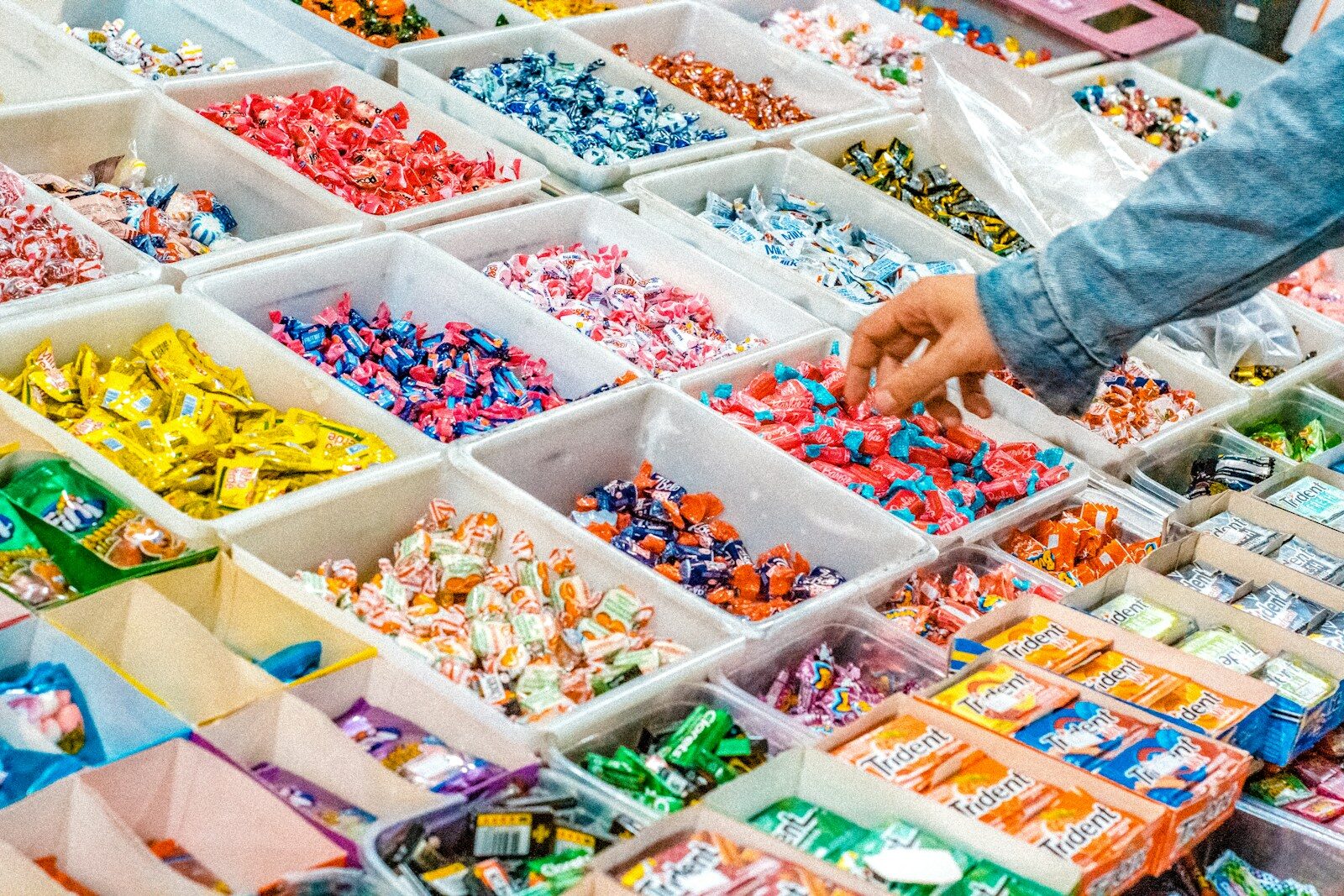
Have your kids ever wondered what candy looked like hundreds, or even thousands, of years ago? Long before chocolate bars and gummy bears, people enjoyed sweet treats
Homeschool Learning Connection
Have your kids ever wondered what candy looked like hundreds, or even thousands, of years ago? Long before chocolate bars and gummy bears, people enjoyed sweet treats made with honey, fruits, and nuts. As sugar became more widely available, candy makers began creating everything from hard candies to colorful confections. Have a little Halloween candy left over? Take a peek at the different treats with your kids and wonder how each one came to be. Who invented gummy bears? When did chocolate become a candy bar? That leftover Halloween candy might just lead to a few surprising discoveries!
more
Discover More
What if you could grow your own candy like a crystal? Rock candy forms when dissolved sugar slowly gathers into sparkling crystals! Follow Science Buddies’ rock candy experiment to see how it happens, then watch your crystals grow over several days. Just be sure an adult handles the hot sugar solution!
06nov12:00 pmNational Nachos Day
Homeschool Learning Connection
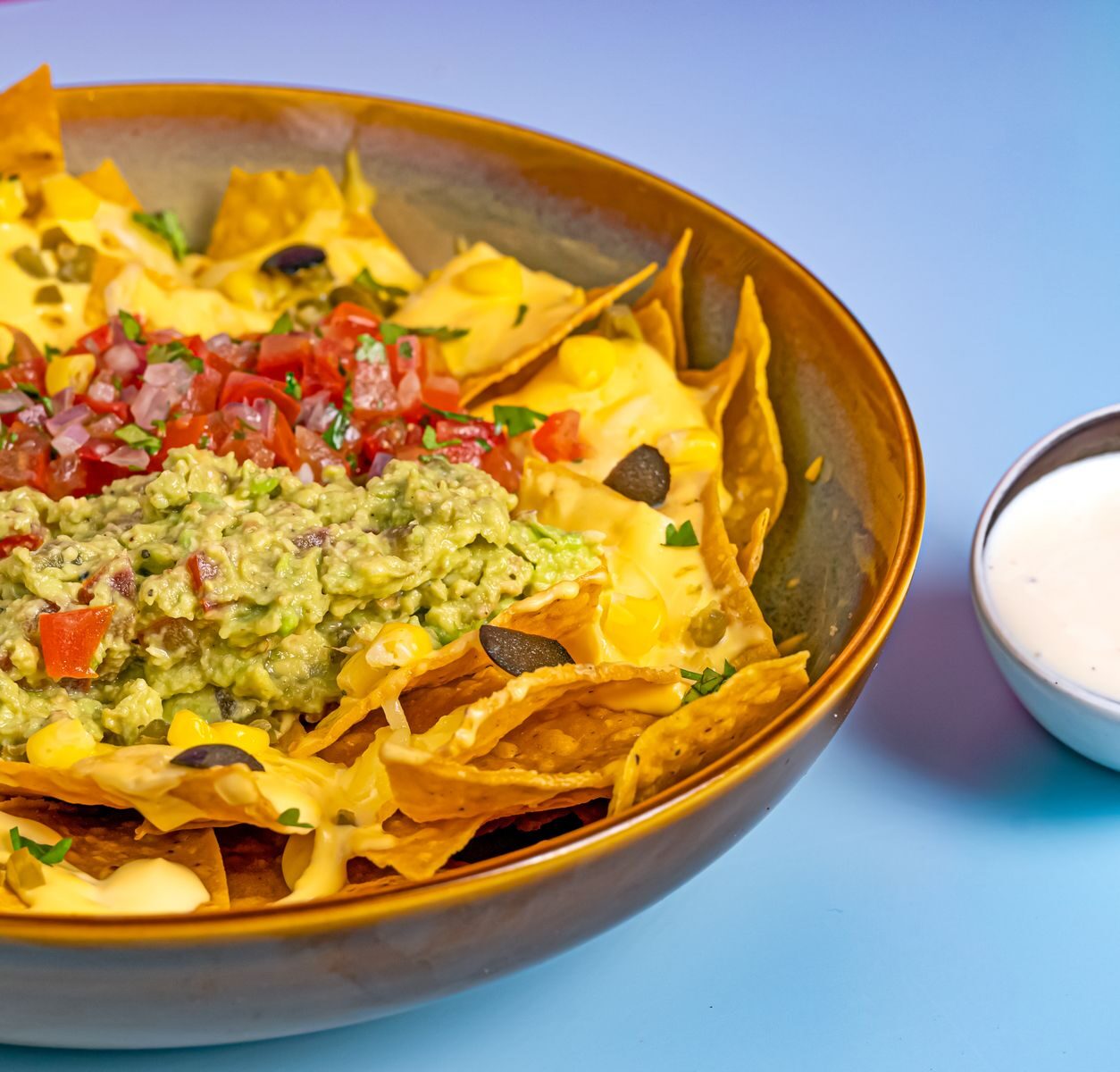
Who could resist a big plate of crispy, cheesy nachos? 😋 This beloved snack actually got its start in Piedras Negras, a Mexican city just across the
Homeschool Learning Connection
Who could resist a big plate of crispy, cheesy nachos? 😋 This beloved snack actually got its start in Piedras Negras, a Mexican city just across the border from Eagle Pass, Texas. Since then, nachos have spread far beyond their birthplace, with all sorts of toppings added along the way! Invite your kids to find Piedras Negras on a map, then head to the kitchen to create your own nacho combinations. Will they stick with classic cheese and jalapeños, or invent something entirely new?
Discover More
Did you know nachos were named after a real person? That’s our second eponym of the week! (An eponym is a word or name derived from a person’s name.) In 1943, Ignacio “Nacho” Anaya whipped up a snack of tortilla chips, melted cheese, and jalapeños for some unexpected guests in Mexico. His creation became so popular that his nickname stuck! Discover the story behind this delicious invention in Smithsonian Magazine’s history of nachos, then compare those original three ingredients with the nachos your family enjoys today.
09nov12:00 pmNational Scrapple Day
Homeschool Learning Connection
Have you ever tried scrapple? This traditional Mid-Atlantic breakfast food connects local ingredients with Pennsylvania Dutch cooking traditions. Discover how families once made the most of their harvests and livestock,
Homeschool Learning Connection
Have you ever tried scrapple? This traditional Mid-Atlantic breakfast food connects local ingredients with Pennsylvania Dutch cooking traditions. Discover how families once made the most of their harvests and livestock, and investigate regional foods that tell stories about where people lived.
Discover More
Why would cooks turn leftover meat and cornmeal into a sliceable loaf? Explore photos and the history of scrapple to see how this Pennsylvania Dutch specialty is made and fried. Find the connection between the name scrapple and the word scraps. What other dishes help reduce food waste?
11nov12:00 pmNational Sundae Day
Homeschool Learning Connection
Why is an ice cream sundae spelled differently from Sunday? Investigate the competing stories about how this dessert got its name, then explore homophones and words whose spellings changed over
Homeschool Learning Connection
Why is an ice cream sundae spelled differently from Sunday? Investigate the competing stories about how this dessert got its name, then explore homophones and words whose spellings changed over time. Design a sundae menu with imaginative topping combinations and playful names.
Discover More
Who invented the ice-cream sundae? More than one American town has claimed the honor! Explore the stories behind the sundae and notice the names used in early accounts. Why might a dessert named after Sunday end up spelled differently?
12nov12:00 pmNational French Dip Day
Homeschool Learning Connection
Despite its name, the French dip sandwich comes from Los Angeles, not France! This roast beef sandwich is served with savory meat juices for dipping. Learn the
Homeschool Learning Connection
Despite its name, the French dip sandwich comes from Los Angeles, not France! This roast beef sandwich is served with savory meat juices for dipping. Learn the French food words jus (“juice”) and au jus (“with juice”), then explore your kitchen for other food names borrowed from different languages.
Discover More
Could a kitchen accident inspire a famous sandwich? One restaurant’s story says a French roll accidentally fell into a pan of meat juices and the customer wanted it anyway! Read the competing French dip origin stories, then discuss what evidence might help you investigate an invention claimed by two restaurants.
14nov12:00 pmNational Pickle Day
Homeschool Learning Connection
How can a cucumber become sour and crunchy? Explore pickling, fermentation, and the ways people preserve foods across cultures. Compare vinegar pickles with fermented pickles and ask how salt, acid,
Homeschool Learning Connection
How can a cucumber become sour and crunchy? Explore pickling, fermentation, and the ways people preserve foods across cultures. Compare vinegar pickles with fermented pickles and ask how salt, acid, and beneficial microbes affect the process.
Discover More
What happens when you have too many pickles? Settle in for this pickle-themed read-aloud, then invent a silly title for your own pickle adventure. This is an easy way to bring a little language arts and laughter into your school day!
15nov12:00 pmNational Bundt Cake Day
Homeschool Learning Connection
Why do some cakes have a hole in the middle? Explore the design of a Bundt pan and how its shape changes heat distribution and presentation. Sketch a cake pan
Homeschool Learning Connection
Why do some cakes have a hole in the middle? Explore the design of a Bundt pan and how its shape changes heat distribution and presentation. Sketch a cake pan of your own and predict which parts of the batter might bake first.
Discover More
Those beautiful ridges are not just decoration! Learn how to prepare and fill a Bundt pan using King Arthur Baking Bundt cake guide, then notice why its hollow center and fluted sides create such a distinctive cake. If you bake one, compare the finished shape with a cake baked in a regular pan.
17nov12:00 pmNational Butter Day ✨
Homeschool Learning Connection
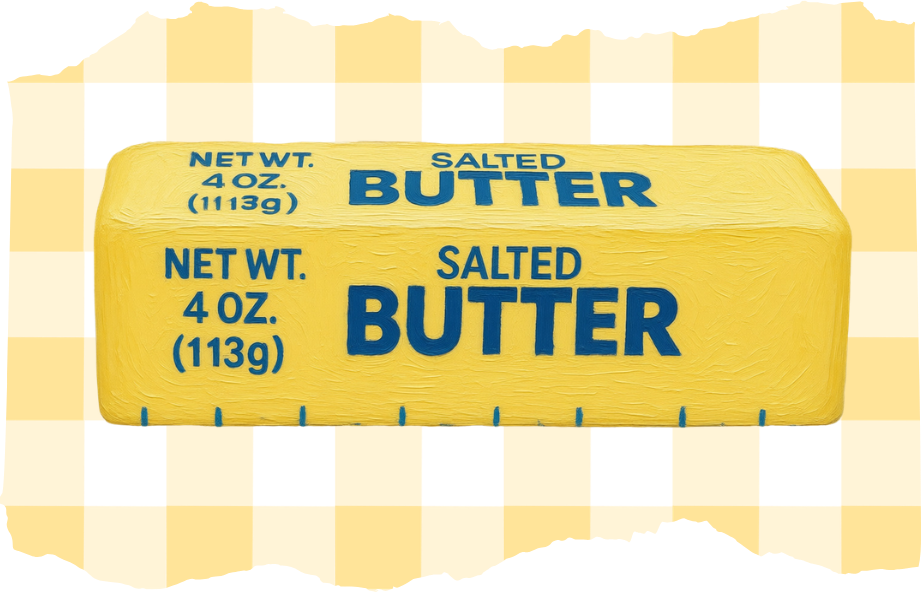
<p>How does liquid cream turn into spreadable butter? Discover the kitchen science behind churning, meet dairy cows, and explore the different ways families enjoy butter around the world.
Homeschool Learning Connection
How does liquid cream turn into spreadable butter? Discover the kitchen science behind churning, meet dairy cows, and explore the different ways families enjoy butter around the world. For a hands-on experiment, shake a small jar of heavy cream and watch how its texture changes!
17nov12:00 pmNational Homemade Bread Day
Homeschool Learning Connection
Bread doesn't always look like a sandwich loaf! Families around the world make flatbreads, filled buns, braided loaves, and more. Introduce your children to different bread traditions
Homeschool Learning Connection
Bread doesn’t always look like a sandwich loaf! Families around the world make flatbreads, filled buns, braided loaves, and more. Introduce your children to different bread traditions by comparing shapes, ingredients, and cooking methods. Choose one unfamiliar bread to make together and find a place where it is enjoyed on a map.
Discover More
Did you know some breads are steamed instead of baked? Bao are soft, filled buns that can be steamed, while Boston brown bread is made from a batter that is steamed! Explore Fun Kids’ breads around the world with your children and choose a variety your family would like to try.
17nov12:00 pmNational Baklava Day
Homeschool Learning Connection
How do paper-thin sheets of dough become a flaky, crunchy dessert? Discover baklava, a layered pastry made with nuts and sweetened with syrup or honey and enjoyed
Homeschool Learning Connection
How do paper-thin sheets of dough become a flaky, crunchy dessert? Discover baklava, a layered pastry made with nuts and sweetened with syrup or honey and enjoyed across the eastern Mediterranean and western Asia. Compare the nuts and sweeteners used in different baklava recipes, then help your children find the places where those versions are enjoyed on a map.
Discover More
Baklava is built from pastry sheets so thin they can crinkle like paper! Follow the step-by-step photos in King Arthur Baking baklava recipe to see how cooks butter, fold, and layer phyllo dough. Imagine how that stack changes as it bakes into a crisp dessert.
18nov12:00 pmNational Vichyssoise Day
Homeschool Learning Connection
Cold soup? Meet vichyssoise, a smooth potato-and-leek soup often served chilled. Explore how countries and chefs develop different food traditions, practice pronouncing its French name, and consider how temperature changes
Homeschool Learning Connection
Cold soup? Meet vichyssoise, a smooth potato-and-leek soup often served chilled. Explore how countries and chefs develop different food traditions, practice pronouncing its French name, and consider how temperature changes the way food tastes.
Discover More
Vichyssoise is pronounced VISH-ee-SWAHZ, and its main ingredients include potatoes and leeks. Explore a kid-friendly description of vichyssoise and discover why its origins are debated. Have you ever eaten a dish usually served hot that tastes different when cold?
18nov12:00 pmNational Apple Cider Day
Homeschool Learning Connection
How is apple cider different from apple juice? Introduce your children to the journey from orchard to glass, exploring how apples are crushed, pressed, and processed. If
Homeschool Learning Connection
How is apple cider different from apple juice? Introduce your children to the journey from orchard to glass, exploring how apples are crushed, pressed, and processed. If possible, sample a few apple varieties together and describe their sweetness, tartness, and aroma.
Discover More
A jug of cider begins with a lot of apples… and a powerful squeeze! Watch this PBS visit to a cider mill together to follow the process from whole fruit to fresh cider.
Homeschool Learning Connection
Some foods need a little time and some very tiny helpers! Kimchi Day introduces your family to a Korean favorite often made by fermenting vegetables. Helpful microbes
Homeschool Learning Connection
Some foods need a little time and some very tiny helpers! Kimchi Day introduces your family to a Korean favorite often made by fermenting vegetables. Helpful microbes turn sugars into acids, giving the vegetables that tangy flavor. It’s a fun connection between kitchen science and the ways families have preserved food for generations. Your kids might be surprised to discover how much can happen without turning on the stove!
Discover More
Not all kimchi looks alike! Browse these kimchi photographs and ingredients together and see what your kids notice. Some varieties feature cabbage, while others use radishes, and not all are fiery red. Find South Korea on a map, then discuss if there is a variety your family might be curious to taste.
24nov12:00 pmNational Fairy Bread Day
Homeschool Learning Connection
Bread, butter, and rainbow sprinkles? Your kids might wonder why they haven’t tried this combination sooner! Fairy bread is a familiar treat at Australian children’s birthday parties
Homeschool Learning Connection
Bread, butter, and rainbow sprinkles? Your kids might wonder why they haven’t tried this combination sooner! Fairy bread is a familiar treat at Australian children’s birthday parties and a cheerful way to explore how families celebrate around the world. Find Australia on a map, then chat about the foods that make your own family’s celebrations feel special. Which treat would your kids introduce to a friend from another country?
Discover More
Bring a little sprinkle-covered fun to your kitchen with The Worktop’s fairy bread recipe and variations. Start with buttered bread and colorful sprinkles, then cut it into triangles to share. There’s a little math tucked into this treat, too: can your kids turn one slice into two equal triangles, then four? See if they can name each fraction before taking a bite!
25nov12:00 pmNational Parfait Day
Homeschool Learning Connection
Give your kids a clear glass, a few favorite ingredients, and permission to play with their food! National Parfait Day is a lovely excuse to layer creamy
Homeschool Learning Connection
Give your kids a clear glass, a few favorite ingredients, and permission to play with their food! National Parfait Day is a lovely excuse to layer creamy yogurt, colorful fruit, and crunchy granola into something they’ve designed themselves. Sneak in a little math by making repeating patterns or measuring each layer. Then comes the best part: finding out how all those flavors and textures taste together!
Discover More
Would you name a dessert “perfect”? That’s what parfait means in French! Explore the story behind the word, then let your kids invent equally delicious names for their own creations. Would “Berry Wonderful” or “Crunchy Cloud” fit their favorite layers? Make a little café menu with a name and description for each family member’s specialty.
26nov12:00 pmNational Cake Day
Homeschool Learning Connection
There’s a lot happening between licking the frosting spoon and blowing out the candles! National Cake Day is a delicious excuse to explore the science behind baking.
Homeschool Learning Connection
There’s a lot happening between licking the frosting spoon and blowing out the candles! National Cake Day is a delicious excuse to explore the science behind baking. How does pourable batter become a fluffy cake? Bake a favorite recipe together, noticing how mixing and heat change the ingredients. Once it’s cooled and sliced, look closely at those tiny holes inside. They’re clues to the bubbles that helped your cake rise!
Discover More
If your family could travel anywhere for a slice of cake, where would you go? Browse Taste of Home’s cakes from around the world and let everyone choose one that catches their eye. Find its country on a map and compare the fillings, toppings, and shapes. You might even find a new birthday request!
28nov12:00 pmNational French Toast Day ✨
Homeschool Learning Connection
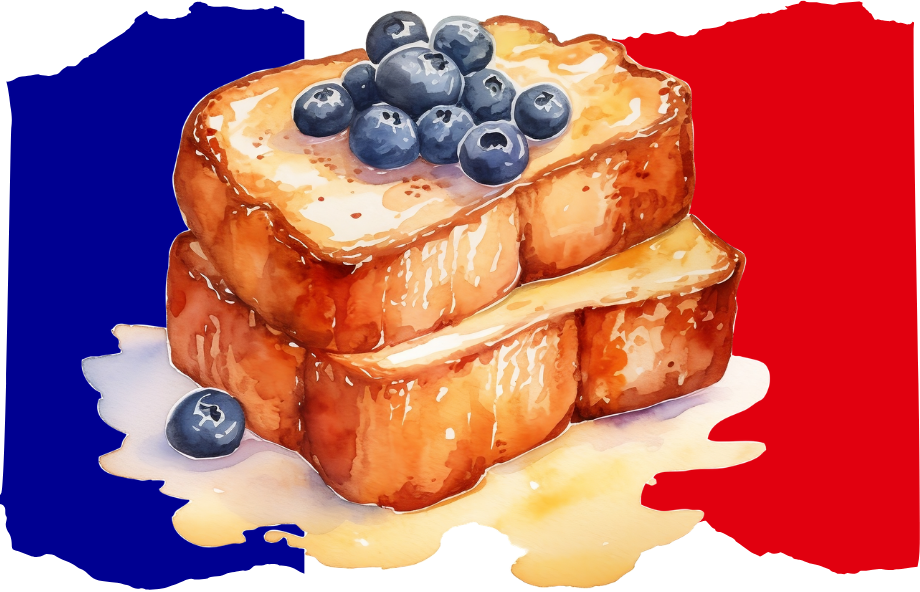
<p>Is French toast really French? This golden breakfast has a much longer and more traveled history than its name suggests! Investigate versions from different countries, then explore the
Homeschool Learning Connection
Is French toast really French? This golden breakfast has a much longer and more traveled history than its name suggests! Investigate versions from different countries, then explore the science of what happens when egg-soaked bread meets a hot pan. What evidence can you find about its surprising origins?
december
04dec12:00 pmNational Cookie Day
Homeschool Learning Connection
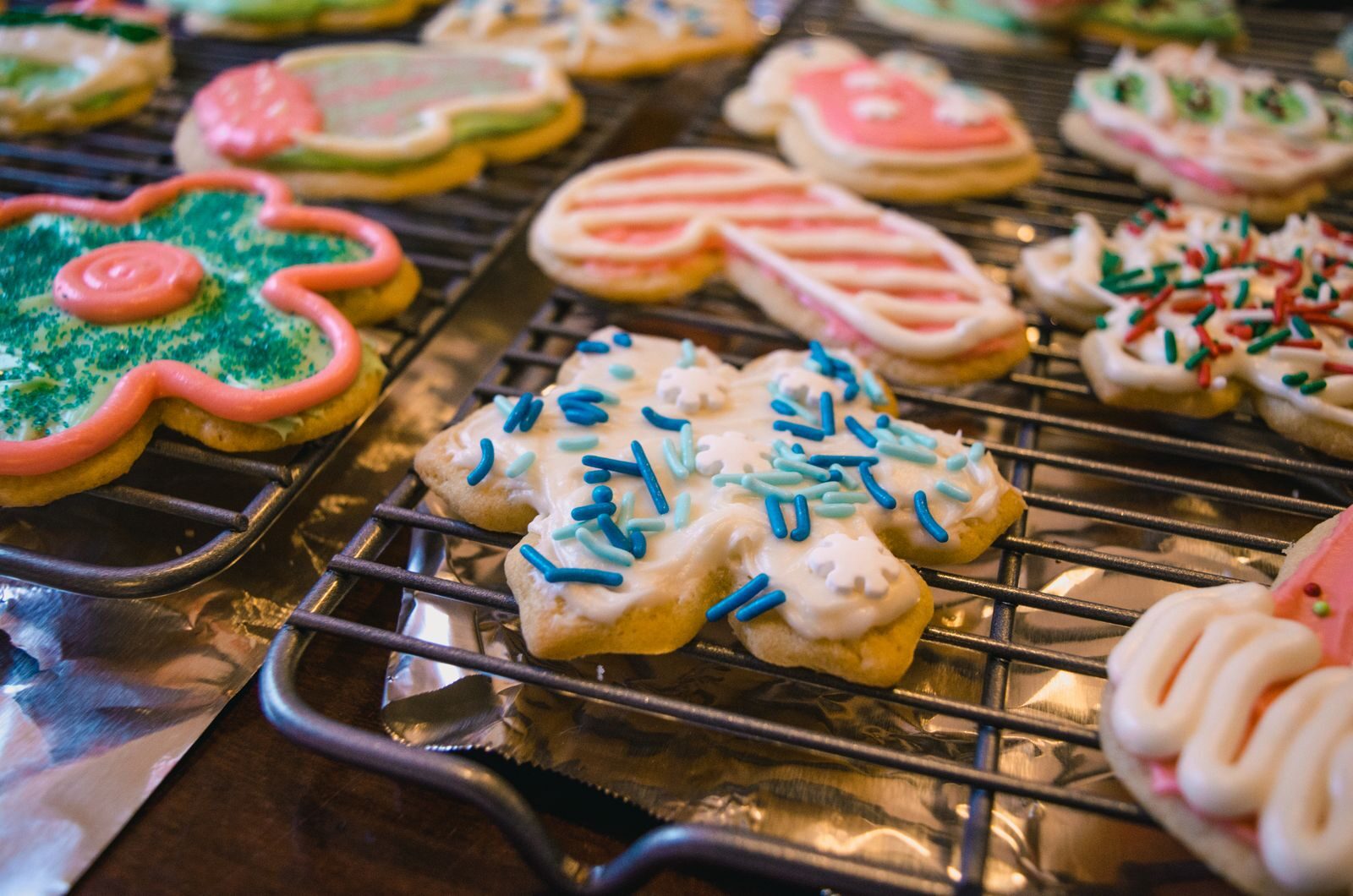
Does your family have a favorite cookie recipe that makes an appearance every Christmas? Whether it's Grandma's sugar cookies, gingerbread men, or a batch of chocolate chip cookies,
Homeschool Learning Connection
Does your family have a favorite cookie recipe that makes an appearance every Christmas? Whether it’s Grandma’s sugar cookies, gingerbread men, or a batch of chocolate chip cookies, there’s something special about the treats we bake year after year! But have your kids ever wondered what families in other countries are baking this season? Cookies have a long history, and even the word cookie comes from the Dutch word koekje, meaning “little cake.” Around the world, you’ll find all sorts of wonderful traditions, from Germany’s spiced lebkuchen to Italy’s delicate pizzelle and Mexico’s crumbly polvorones. Invite your kids to imagine a Christmas cookie exchange with families from around the globe. What delicious treats might everyone bring?
more
Discover More
What would a Christmas cookie platter look like if every treat came from a different country? You might find German spice cookies, delicate French macarons, or crumbly Mexican polvorones dusted with powdered sugar! Take a delicious trip around the world with Food Network’s Holiday Cookies from Around the Globe, featuring recipes and beautiful photos of festive treats from different cultures. Invite your kids to choose a country, find it on a map, and pick a cookie they’d love to try. Who knows? You might discover a new family favorite to add to your Christmas baking traditions!
08dec12:00 pmNational Lard Day
Homeschool Learning Connection
Have your kids ever come across lard in an old-fashioned recipe and wondered what on earth it is? This once-common kitchen staple is simply pork fat that's been
Homeschool Learning Connection
Have your kids ever come across lard in an old-fashioned recipe and wondered what on earth it is? This once-common kitchen staple is simply pork fat that’s been slowly heated, or rendered, to separate the liquid fat from the remaining solids. You may have heard of tallow, too, which has become especially popular lately! While lard comes from pigs, tallow is typically rendered from beef fat, although it can also come from sheep. Before vegetable shortening became popular, generations of home cooks relied on these traditional fats for everything from frying potatoes to making tender, flaky pastries. Lard is still used in dishes around the world, including Mexican tamales and homemade pie crusts. Pull out an old family cookbook or browse a few vintage recipes together. Can your kids discover which traditional fats were used in kitchens of the past?
more
Discover More
Did you know the secret to a tender, melt-in-your-mouth pie crust might be an ingredient your great-grandmother kept in her pantry? Lard contains very little water, and when it’s mixed into flour, the fat helps prevent the dough from becoming tough. Some bakers still swear by it for wonderfully tender pastries! Explore King Arthur Baking’s Tender Pie Crust recipe, which uses lard instead of butter. Then compare it with a traditional butter crust recipe. What differences do your kids notice in the ingredients, and how might those differences affect the finished pie?
08dec12:00 pmNational Brownie Day
Homeschool Learning Connection
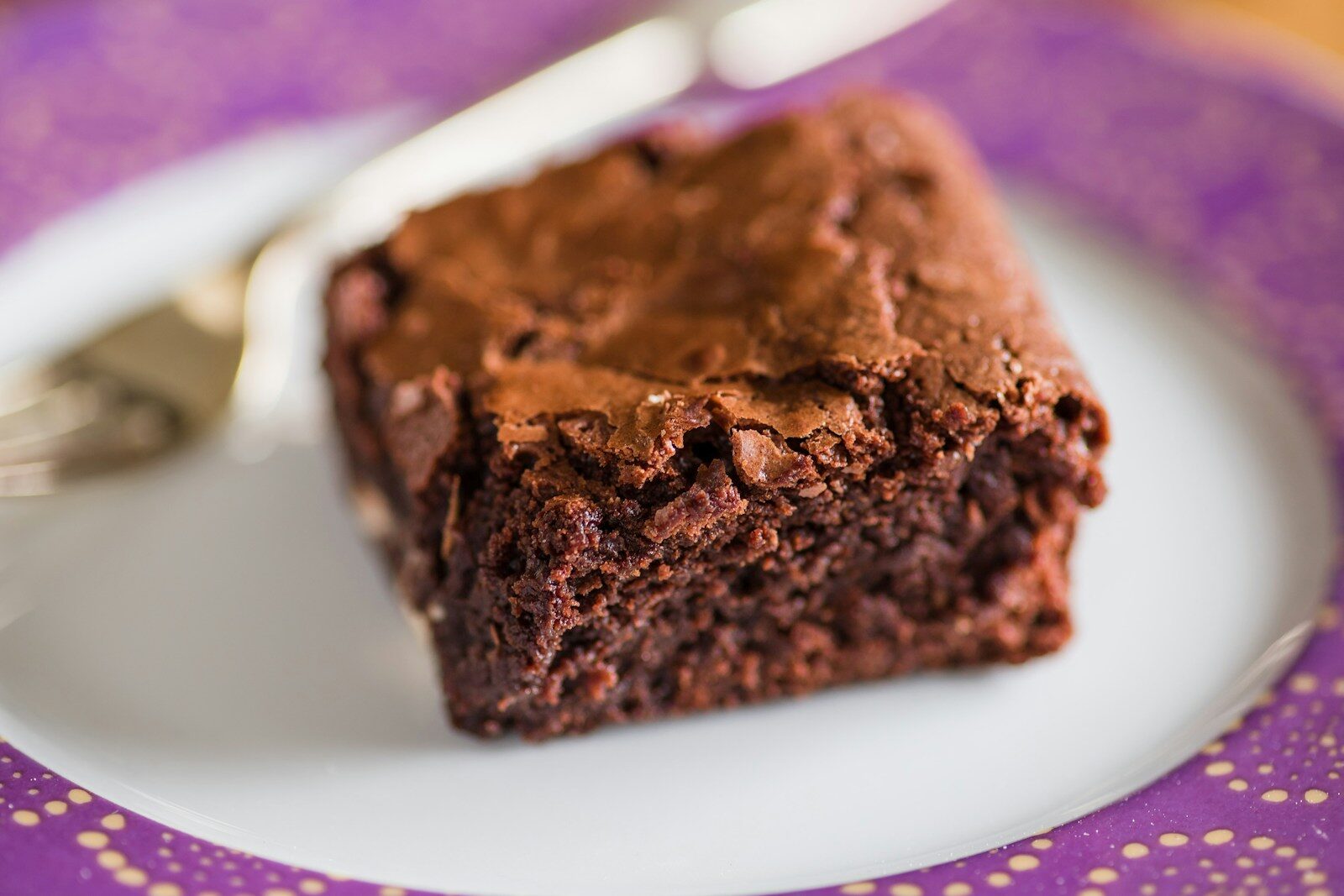
Fudgy, chewy, or cakey? Your kids might have some strong opinions about what makes the perfect brownie! But did you know that a brownie’s texture depends on a
Homeschool Learning Connection
Fudgy, chewy, or cakey? Your kids might have some strong opinions about what makes the perfect brownie! But did you know that a brownie’s texture depends on a little kitchen chemistry? The amount of flour, butter, eggs, and even baking powder can make the difference between a dense, fudgy brownie and one that’s light and cake-like. Too much flour can make brownies cakier, while a higher proportion of fat helps create that rich, fudgy texture. Invite your kids to compare two brownie recipes and see if they can predict how each batch might turn out. And if you’re feeling adventurous, a little taste-testing might be in order!
more
Discover More
Did you know one of America’s earliest brownies was created for the 1893 World’s Fair in Chicago? According to the historic Palmer House Hotel, Bertha Palmer asked its pastry chef to create a chocolate dessert that could be packed into lunch boxes for visitors to the fair. The result was a rich, fudgy brownie topped with walnuts and an apricot glaze! Even more surprising? The hotel still uses its original recipe more than 130 years later! Take a peek at the Palmer House Brownie and its recipe. What do you think of a brownie with apricot glaze? If you try it let us know!
13dec12:00 pmNational Cocoa Day
Homeschool Learning Connection
A cozy blanket, a good book, and a steaming mug of hot cocoa? That sounds like a pretty wonderful December afternoon! But have your kids ever wondered where
Homeschool Learning Connection
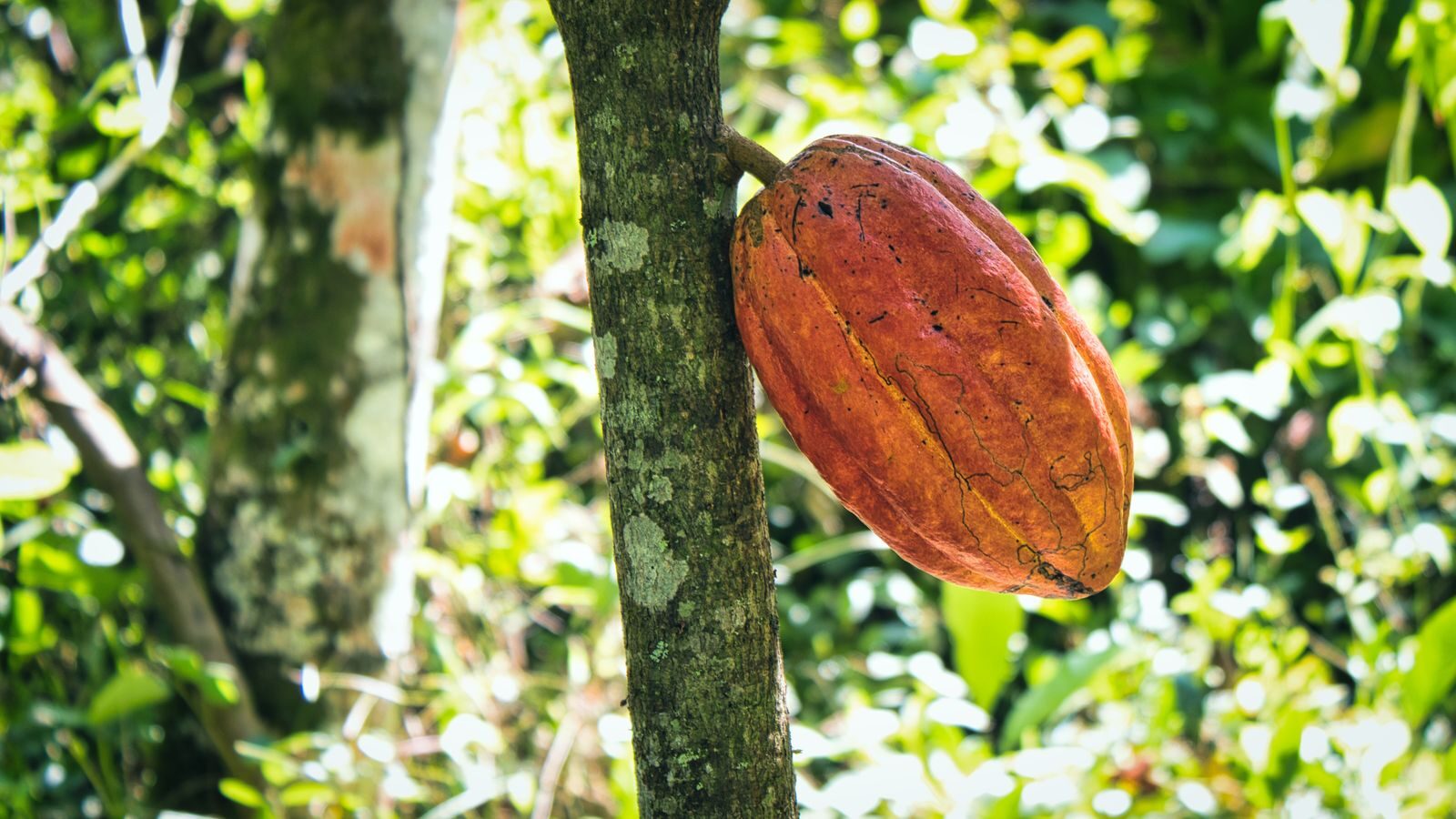
A cozy blanket, a good book, and a steaming mug of hot cocoa? That sounds like a pretty wonderful December afternoon! But have your kids ever wondered where that delicious chocolate flavor comes from? Cocoa begins with the seeds of the cacao tree, a tropical plant that grows in warm regions near the equator. The seeds are fermented, dried, roasted, and ground, then much of their natural fat is pressed out to create the cocoa powder we stir into our mugs. Long before hot cocoa became a winter favorite, ancient Mesoamerican cultures enjoyed cacao drinks, often prepared with spices rather than sugar. Next time you make hot cocoa, invite your kids to imagine how far those little cacao beans traveled to reach your kitchen!
more
Discover More
Did you know chocolate begins inside a colorful fruit filled with seeds surrounded by sweet, white pulp? It looks nothing like the chocolate we know and love! Take a fascinating journey from a cacao tree to a finished chocolate bar with The Kid Should See This: How to Make Chocolate. You’ll see how the seeds are fermented, roasted, and transformed into chocolate. Then grab a globe and find the tropical regions where cacao grows. Can your kids figure out why cacao trees wouldn’t thrive outdoors in most of the United States?
15dec12:00 pmNational Cupcake Day

Homeschool Learning Connection
Chocolate or vanilla? Buttercream or cream cheese frosting? Your kids might have some pretty strong opinions about the perfect cupcake! But have they ever wondered what cupcakes taste
Homeschool Learning Connection
Chocolate or vanilla? Buttercream or cream cheese frosting? Your kids might have some pretty strong opinions about the perfect cupcake! But have they ever wondered what cupcakes taste like in other parts of the world? Cupcakes became popular in America during the 1800s, when small cakes were sometimes baked in individual cups instead of large cake pans. Today, bakers around the world put their own delicious spin on these little treats, incorporating flavors inspired by local ingredients and traditional desserts. From Japanese matcha to Brazilian brigadeiro and Australian lamingtons, there’s a whole world of cupcake possibilities to discover! Grab a map and invite your kids to plan an imaginary cupcake tour. Which country would they visit first?
more
Discover More
What would a cupcake taste like in Japan, Brazil, or Australia? You might be surprised! Japan’s matcha green tea, Brazil’s chocolatey brigadeiros, and Australia’s coconut-covered lamingtons have all inspired creative cupcake flavors. Take a delicious trip around the globe with Food Network UK’s Around the World in 12 Cupcakes. Explore twelve internationally inspired flavors, from Italian tiramisu to Indian chai and German Black Forest cake. My daughter is currently obsessed with all things French, so that crème brûlée cupcake is definitely going on our baking list! Which flavor would your family try first? Or perhaps your kids could invent their own cupcake inspired by another country!
17dec12:00 pmNational Maple Syrup Day
Homeschool Learning Connection
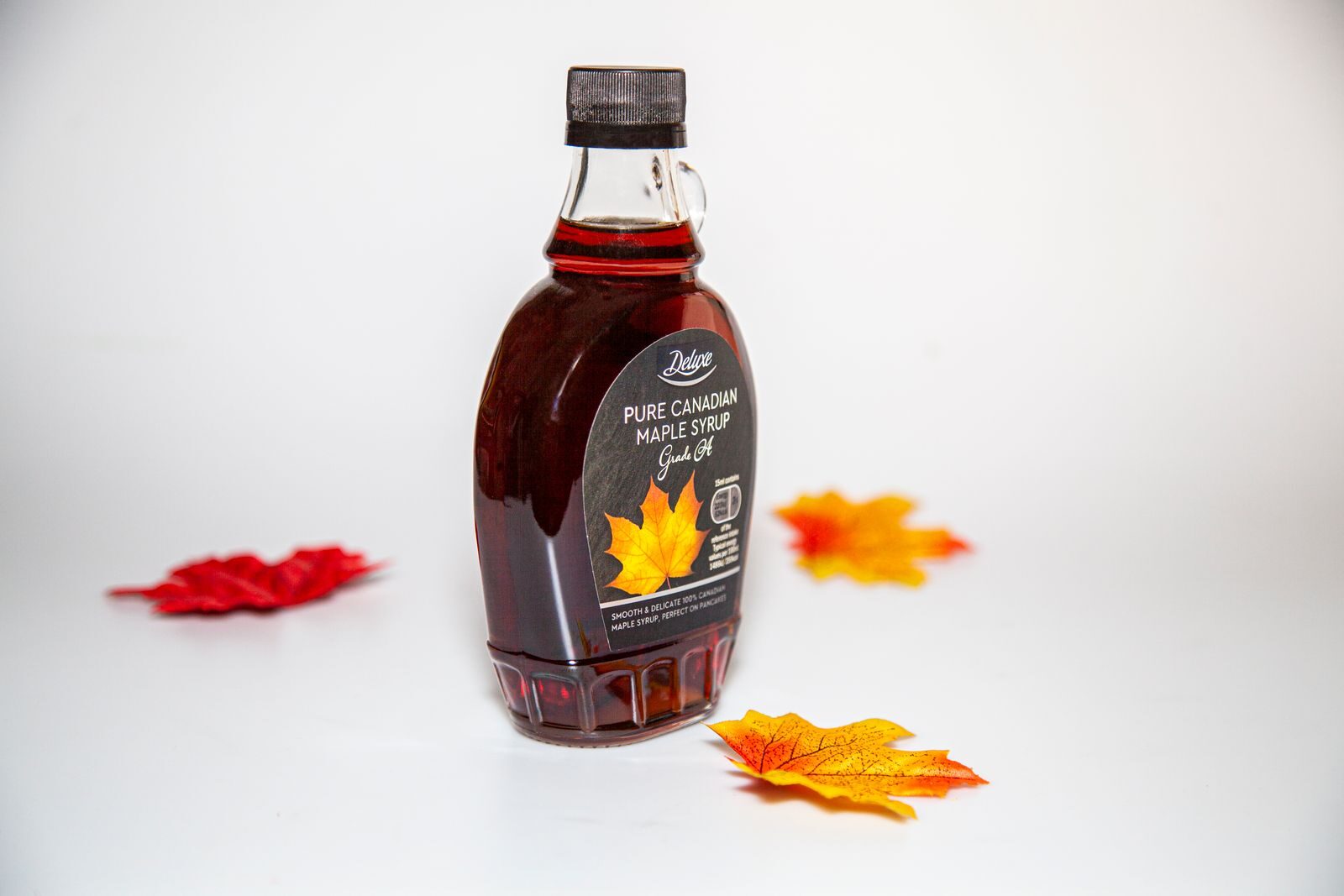
Pancakes, waffles, French toast... is there anything that doesn't taste a little better with maple syrup? But have your kids ever wondered how that delicious golden syrup makes
Homeschool Learning Connection
Pancakes, waffles, French toast… is there anything that doesn’t taste a little better with maple syrup? But have your kids ever wondered how that delicious golden syrup makes its way from a tree to your breakfast table? Maple syrup begins as a clear, slightly sweet sap collected from maple trees in late winter and early spring. Indigenous peoples of northeastern North America were the first to develop methods of collecting and processing maple sap, long before European settlers arrived. Today, producers still tap maple trees and remove water from the sap to create the rich, sweet syrup we enjoy. Next time you reach for the syrup bottle, take a peek at the label together. Is it pure maple syrup or pancake syrup made with other sweeteners?
more
Discover More
Would you believe it takes about 40 gallons of maple sap to make just ONE gallon of syrup? That’s because fresh sap is mostly water, and an enormous amount must be removed before it becomes the thick, golden syrup we recognize. Visit a family-run sugar shack in Ontario, Canada, with this fascinating How Maple Syrup Is Made video from The Kid Should See This. Watch as sap travels from the trees through collection equipment and into enormous evaporators. Can your kids figure out where all that extra water goes?
21dec12:00 pmNational Kiwifruit Day
Homeschool Learning Connection
How did a fruit from China end up sharing a name with a bird from New Zealand? Invite your kids to follow kiwifruit's journey by finding both countries on a
Homeschool Learning Connection
How did a fruit from China end up sharing a name with a bird from New Zealand? Invite your kids to follow kiwifruit’s journey by finding both countries on a map. Then slice one open together and explore how a familiar food can lead to discoveries about plants, places, and the names we use.
Discover More
Which got its name first, the kiwi bird or the kiwifruit? The bird! The fruit’s name was adopted in 1959, while the bird’s Māori name may echo its call. Visit Te Papa’s North Island brown kiwi page with your kids to hear a recording. Can your family hear “kee-wee”?
22dec12:00 pmNational Cookie Exchange Day
Homeschool Learning Connection
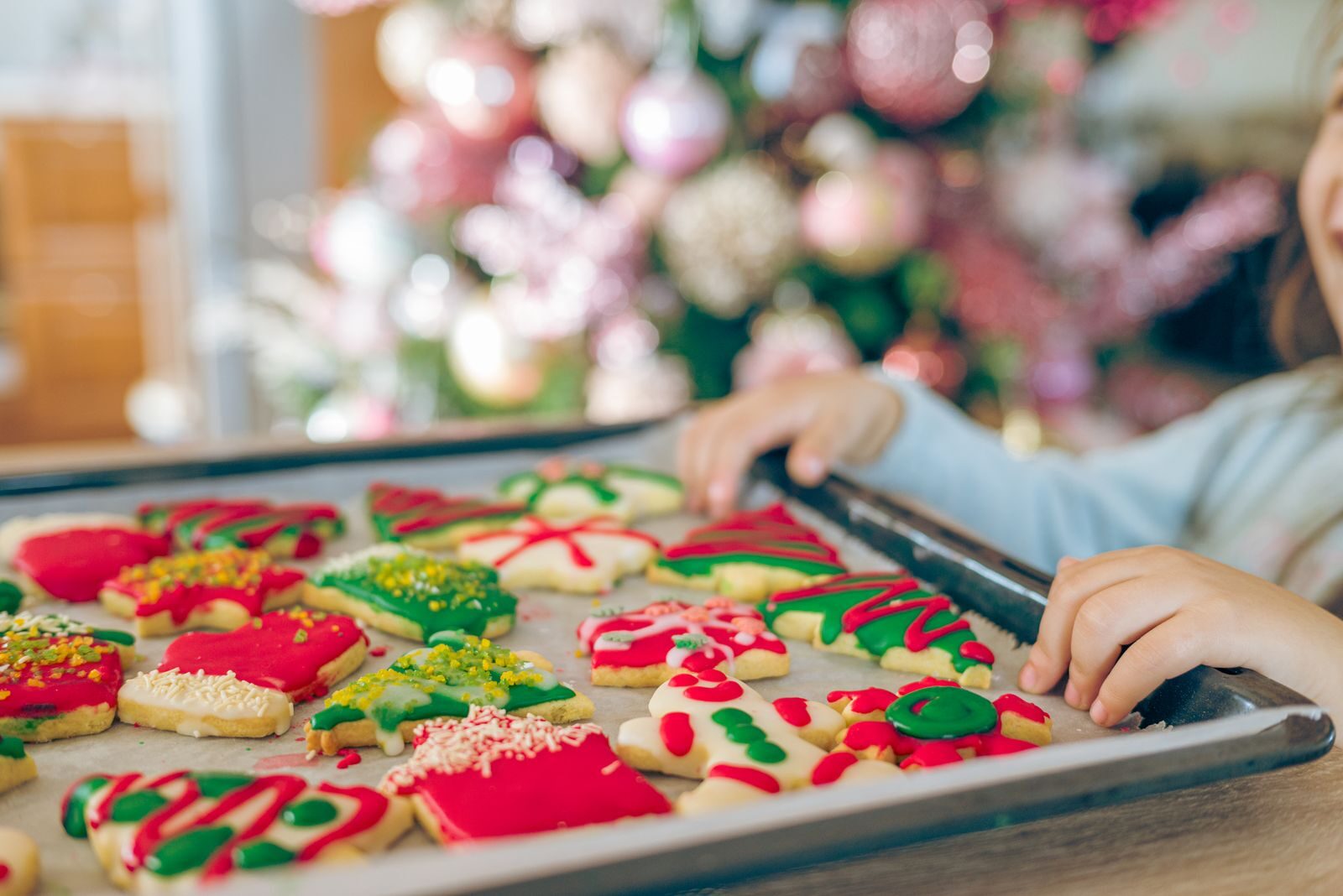
Imagine showing up with a plate of your family's favorite Christmas cookies and heading home with a whole assortment of delicious treats you didn't have to bake! That's
Homeschool Learning Connection
Imagine showing up with a plate of your family’s favorite Christmas cookies and heading home with a whole assortment of delicious treats you didn’t have to bake! That’s the magic of a cookie exchange! Instead of everyone making several different recipes, each family bakes a batch of one favorite cookie and swaps with the others. It’s a lovely tradition that brings friends and neighbors together while introducing everyone to new recipes and perhaps a few treasured family favorites. There’s even a little math involved as kids count, divide, and package the cookies so everyone gets their fair share! If your homeschool group or a few neighborhood families enjoy baking, why not organize a little cookie swap of your own?
more
Discover More
Ever thought about hosting a Christmas cookie exchange but weren’t quite sure where to start? It’s easier than you might think! King Arthur Baking’s How to Host a Cookie Swap is full of helpful ideas for organizing everything from a small gathering of friends to a festive neighborhood exchange. You’ll find tips for choosing recipes, figuring out how many cookies everyone should bring, and packaging those delicious treats to take home. I especially love the idea of including recipe cards so families can recreate their new favorites! Who knows? Your kids might discover a cookie that becomes part of your family’s Christmas traditions for years to come.
22dec12:00 pmNational Date Nut Bread Day
Homeschool Learning Connection
Have your kids ever tasted a date? These wonderfully sweet, chewy fruits have been enjoyed for thousands of years, and they're the star ingredient in old-fashioned date nut
Homeschool Learning Connection
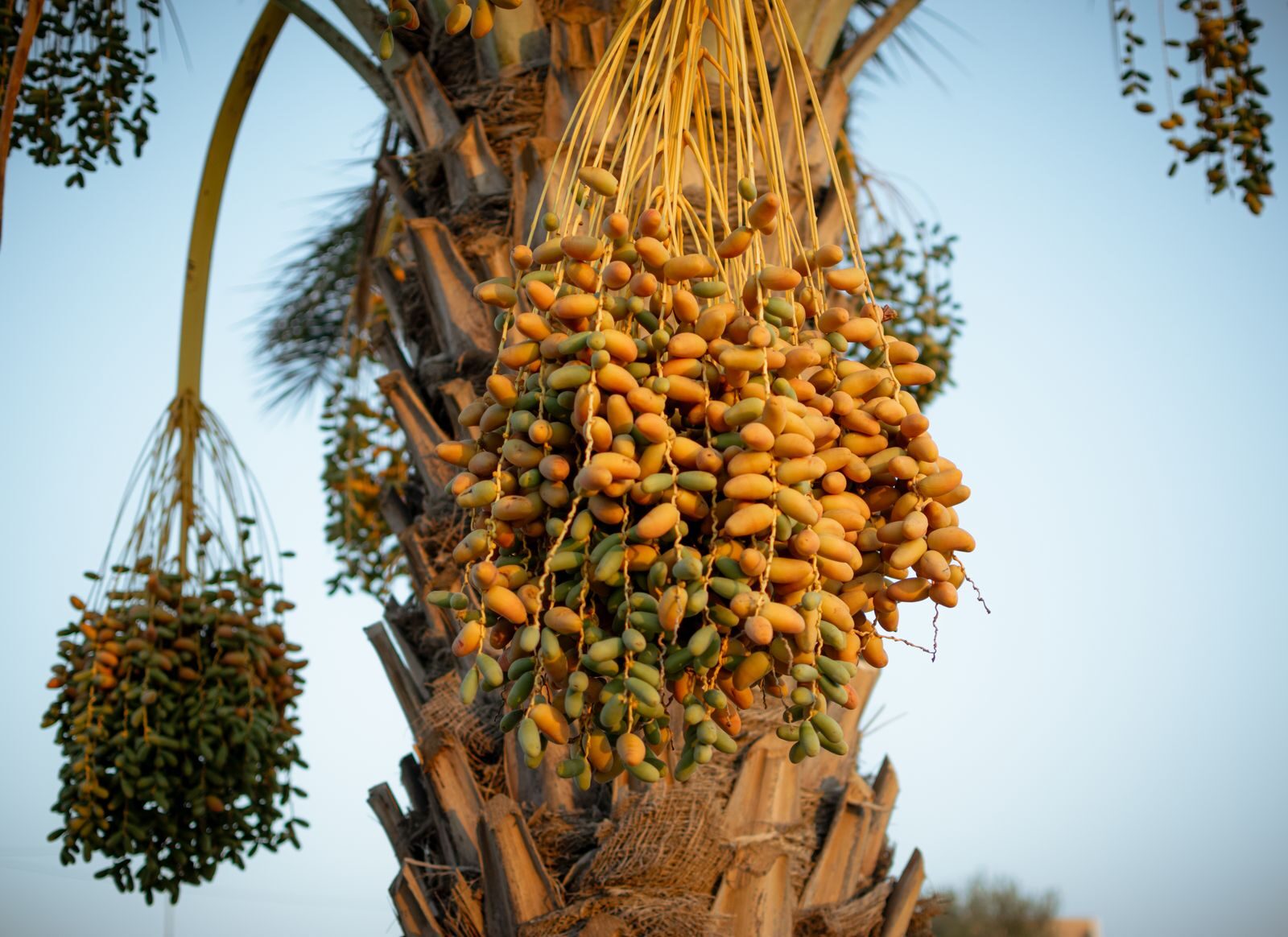
Have your kids ever tasted a date? These wonderfully sweet, chewy fruits have been enjoyed for thousands of years, and they’re the star ingredient in old-fashioned date nut bread! Dates grow in enormous clusters on palm trees in warm, dry regions such as the Middle East and North Africa. Their natural sweetness makes them a delicious addition to breads and desserts, often paired with crunchy walnuts or pecans. In fact, date palms were cultivated by ancient civilizations long before many of our familiar holiday recipes existed! Grab a map and explore where dates grow, or pick up a few from the grocery store for your kids to taste. Can they guess what other familiar foods might grow on palm trees?
more
Discover More
Imagine planting a seed that’s been buried for 2,000 years and watching it actually grow! That’s exactly what scientists accomplished with an ancient date palm seed discovered at Masada in Israel. The remarkable tree, nicknamed Methuselah, sprouted in 2005 and is still growing today! Meet this extraordinary survivor and see photographs of the tree through the Arava Institute’s Ancient Date Palm Project. Then ask your kids: How could a tiny seed remain alive for thousands of years, and what might scientists learn from growing plants that ancient people once cultivated?
24dec12:00 pmNational Eggnog Day
Homeschool Learning Connection
Eggs in a Christmas drink? If your kids have ever wondered what's actually in eggnog, Christmas Eve is the perfect time to find out! This creamy holiday favorite
Homeschool Learning Connection
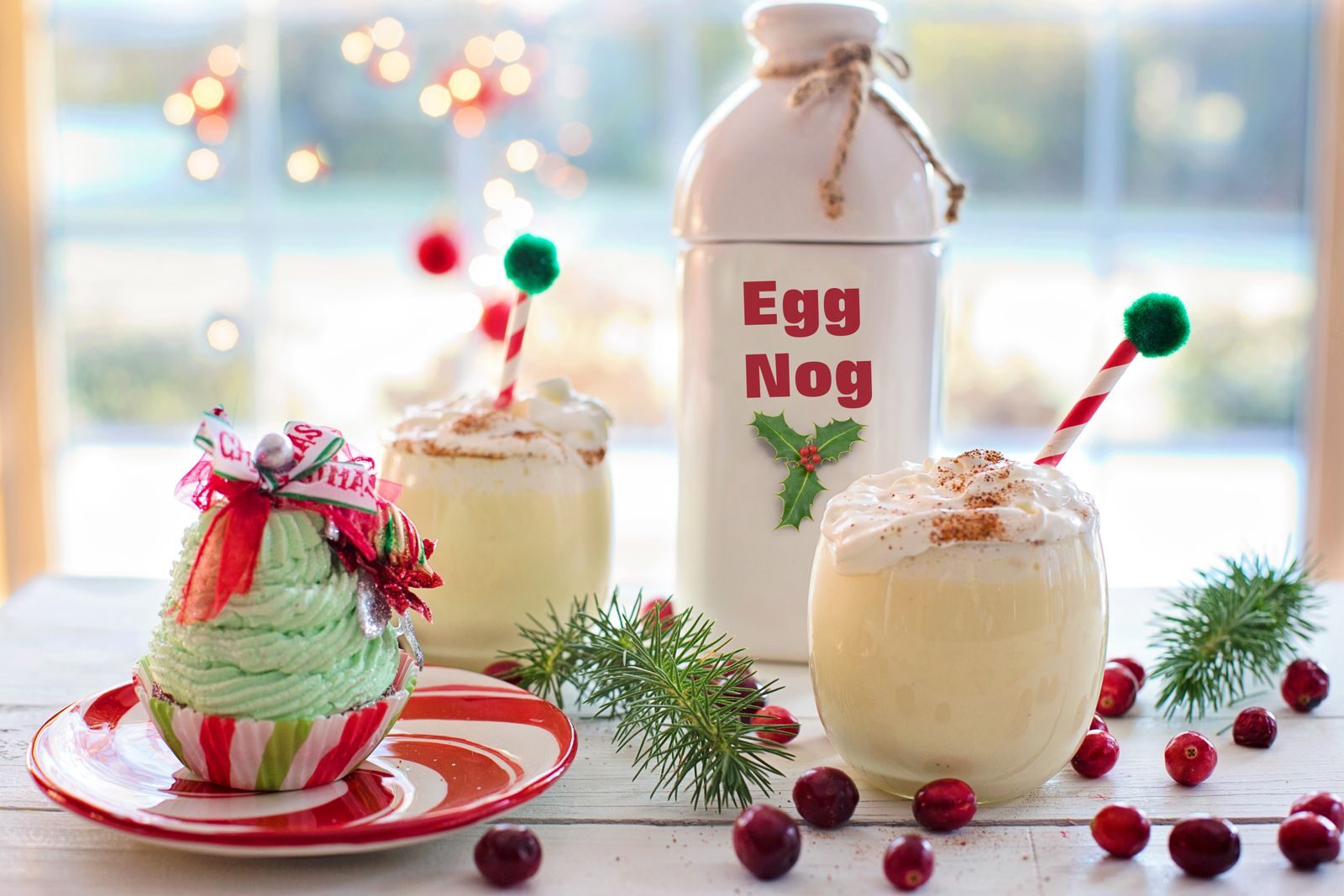
Eggs in a Christmas drink? If your kids have ever wondered what’s actually in eggnog, Christmas Eve is the perfect time to find out! This creamy holiday favorite is traditionally made with milk, cream, eggs, sugar, and spices like nutmeg. Its history stretches back to medieval England, where people enjoyed a warm, spiced milk drink called posset. Over time, the drink evolved into the sweet Christmas tradition we know today. Pour a little (kid-friendly) eggnog for your family and invite your kids to investigate the ingredients. Can they identify the spices by their smell or taste?
more
Discover More
Did you know eggnog was once considered a luxury? In medieval England, ingredients like milk, eggs, and imported spices were expensive, making rich drinks like posset a special treat. When the tradition reached colonial America, farm families had easier access to milk and eggs, and eggnog became a popular holiday drink. Even George Washington served a version at Mount Vernon! Travel back through centuries of Christmas celebrations with PBS Food’s fascinating History of Eggnog. Then ask your kids which holiday foods they think people might still recognize 200 years from now!
26dec12:00 pmNational Candy Cane Day

Homeschool Learning Connection
Red stripes, a peppermint twist, and that familiar hook! Candy canes are one of the sweetest traditions of the Christmas season, but have your kids ever wondered where
Homeschool Learning Connection
Red stripes, a peppermint twist, and that familiar hook! Candy canes are one of the sweetest traditions of the Christmas season, but have your kids ever wondered where they came from? Early candy canes were plain white sugar sticks, and the familiar red stripes didn’t become popular until much later. The first historical reference to the cane shape goes back to 1670, when a German choirmaster had candies bent into shepherd’s crooks for children at Christmas. Grab a candy cane and explore its shape, colors, and history together. How do you think candy makers create those perfectly twisted stripes?
more
Discover More
Did you know that candy makers actually stretch and fold warm candy to turn it white? Pulling the candy traps tiny air bubbles that reflect light, changing its appearance! Then colorful strips are added and twisted to create those familiar peppermint swirls. Take a peek behind the scenes with this fascinating How Candy Canes Are Made video. As you watch, challenge your kids to spot each step in the process. How do the candy makers keep those stripes so perfectly spaced?
30dec12:00 pmNational Bacon Day
Homeschool Learning Connection
Is there any better way to get your kids out of bed than the smell of bacon sizzling in the kitchen? That delicious breakfast favorite has a surprisingly
Homeschool Learning Connection
Is there any better way to get your kids out of bed than the smell of bacon sizzling in the kitchen? That delicious breakfast favorite has a surprisingly long history! Before refrigerators existed, people preserved meat by curing it with salt, which helps draw out moisture and slow the growth of bacteria. Bacon is typically made from pork belly, and many varieties are smoked for extra flavor. Next time you’re cooking breakfast, invite your kids to investigate the bacon package. Can they discover whether it was smoked, cured, or flavored with something like maple syrup?
more
Discover More
Ever wonder why bacon shrinks and curls as it cooks? Heat causes the meat’s proteins to tighten and release moisture, while the fat begins to melt. The uneven changes in the meat and fat can make those familiar strips twist and curl! Explore how bacon is cured, smoked, and prepared in the USDA’s Bacon and Food Safety guide. Then, with an adult handling the hot pan, watch a strip of bacon cook and see how its shape changes. What do your kids notice?
january
Homeschool Learning Connection
Have you ever wondered how croissants get all those delicate, flaky layers? The secret is a baking technique called lamination! Bakers repeatedly fold and roll dough with
Homeschool Learning Connection
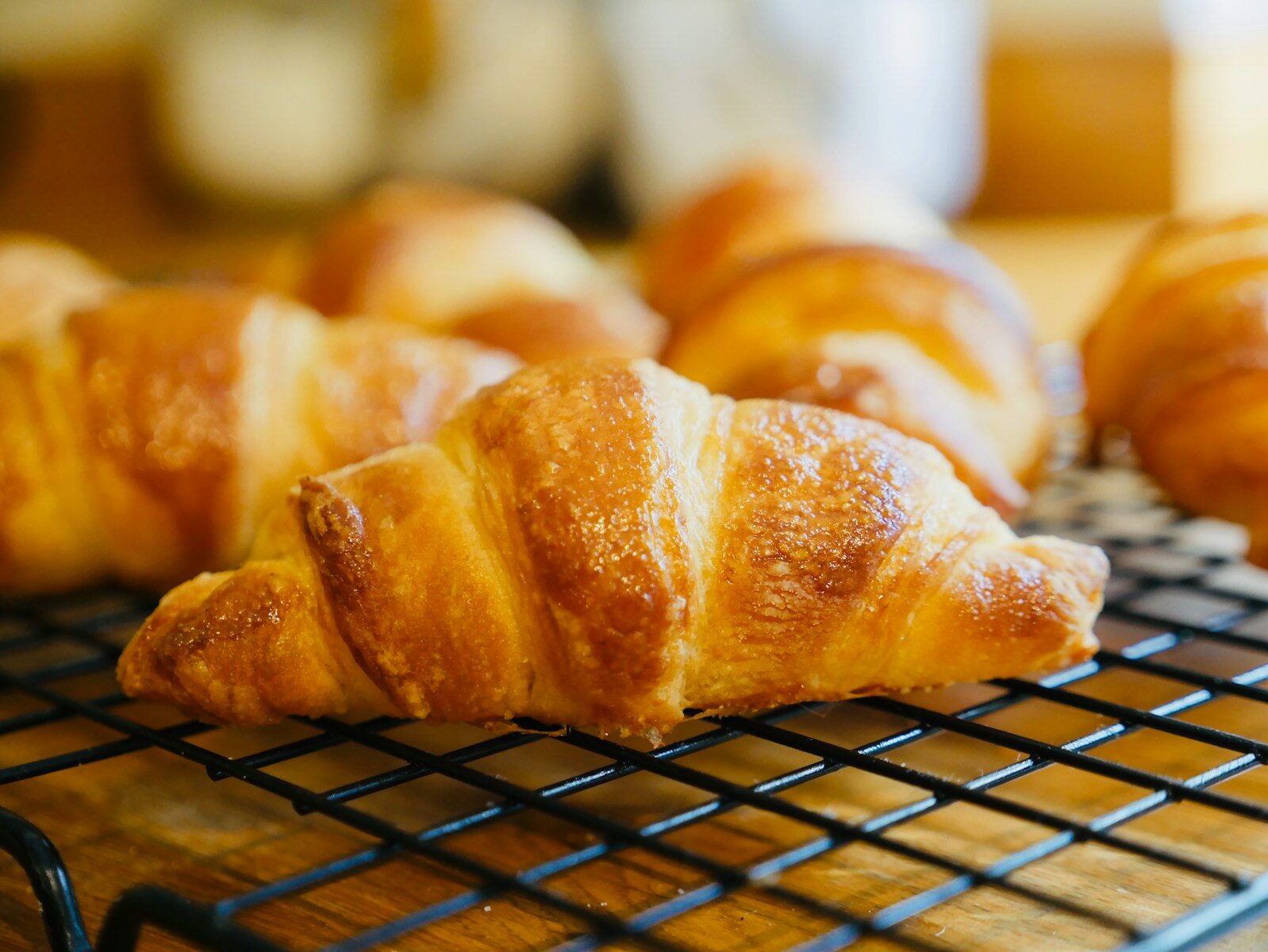
Have you ever wondered how croissants get all those delicate, flaky layers? The secret is a baking technique called lamination! Bakers repeatedly fold and roll dough with layers of butter tucked inside. When the croissants bake, water in the butter and dough turns to steam, helping separate those layers and create their wonderfully flaky texture. Pick up a few croissants and invite your kids to gently pull one apart. How many layers can they find?
Discover More
A little French, a lot of laughs, and some very important croissants! Join Mickey Mouse on a hilarious race through Paris in Disney’s animated short Croissant de Triomphe. The characters speak French, making it a fun introduction to the language. Challenge your kids to listen for familiar words, then see if they can figure out what’s happening without understanding every word!
31jan12:00 pmEat Brussels Sprouts Day
Homeschool Learning Connection
Would your kids ever turn down brownies for Brussels sprouts? Believe it or not, my son once did exactly that at a family dinner! Granted, the sprouts
Homeschool Learning Connection
Would your kids ever turn down brownies for Brussels sprouts? Believe it or not, my son once did exactly that at a family dinner! Granted, the sprouts were covered in Parmesan cheese and bacon, but we still laugh about it years later. If Brussels sprouts aren’t a family favorite, today might be the perfect excuse to give them another chance! Try roasting them until the edges are crispy, then let your kids experiment with toppings. Bacon and Parmesan are clearly a winning combination in our house!
Discover More
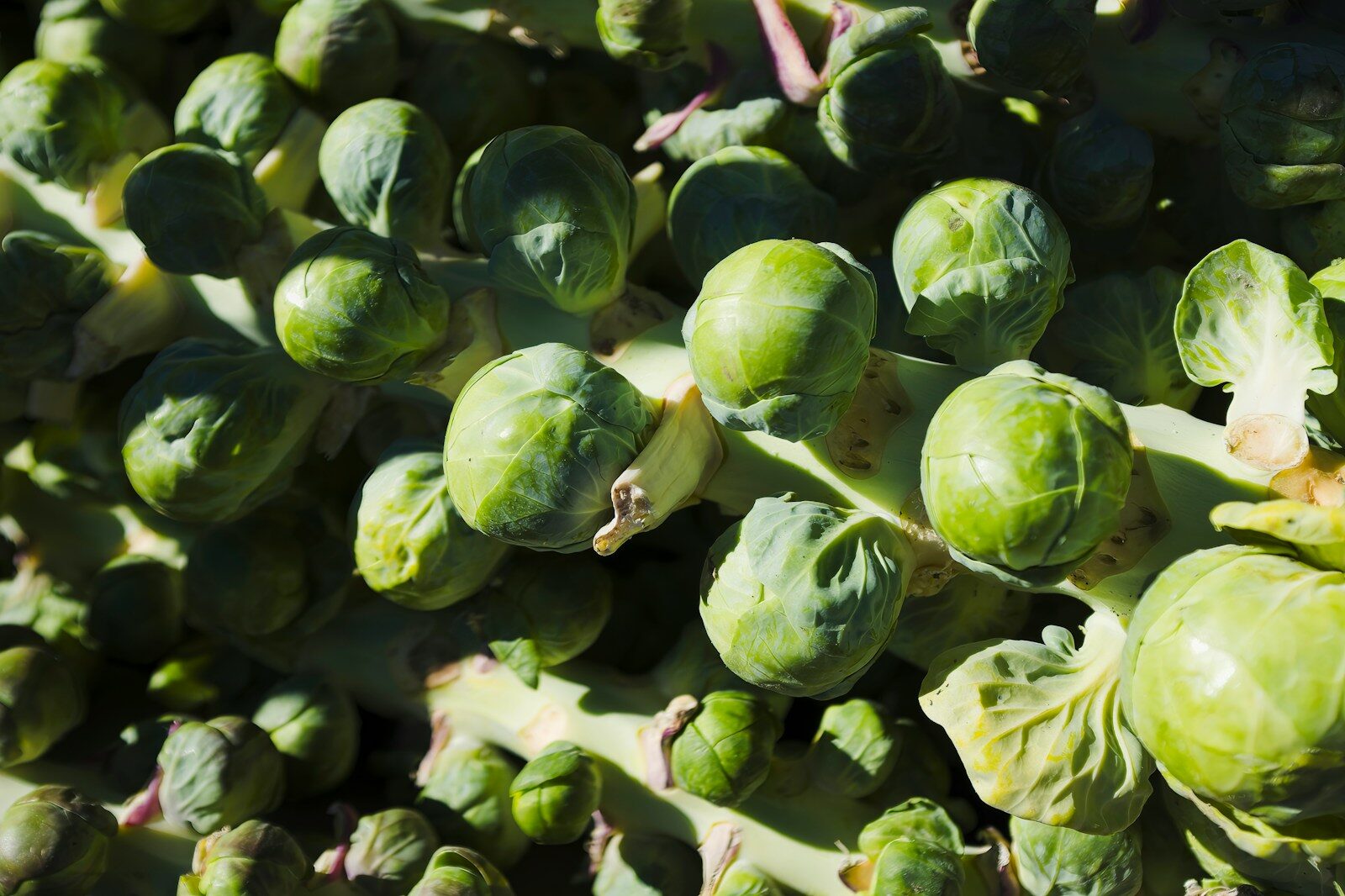
Did you know Brussels sprouts grow on tall stalks, with dozens of tiny cabbage-like buds clustered along the stem? They’re members of the same vegetable family as broccoli, kale, and cabbage! Take a look at a photo of Brussels sprouts growing in a garden, then compare them with their larger cabbage cousins. Can your kids spot the family resemblance?
october
01oct12:00 amInternational Coffee Day
Homeschool Learning Connection
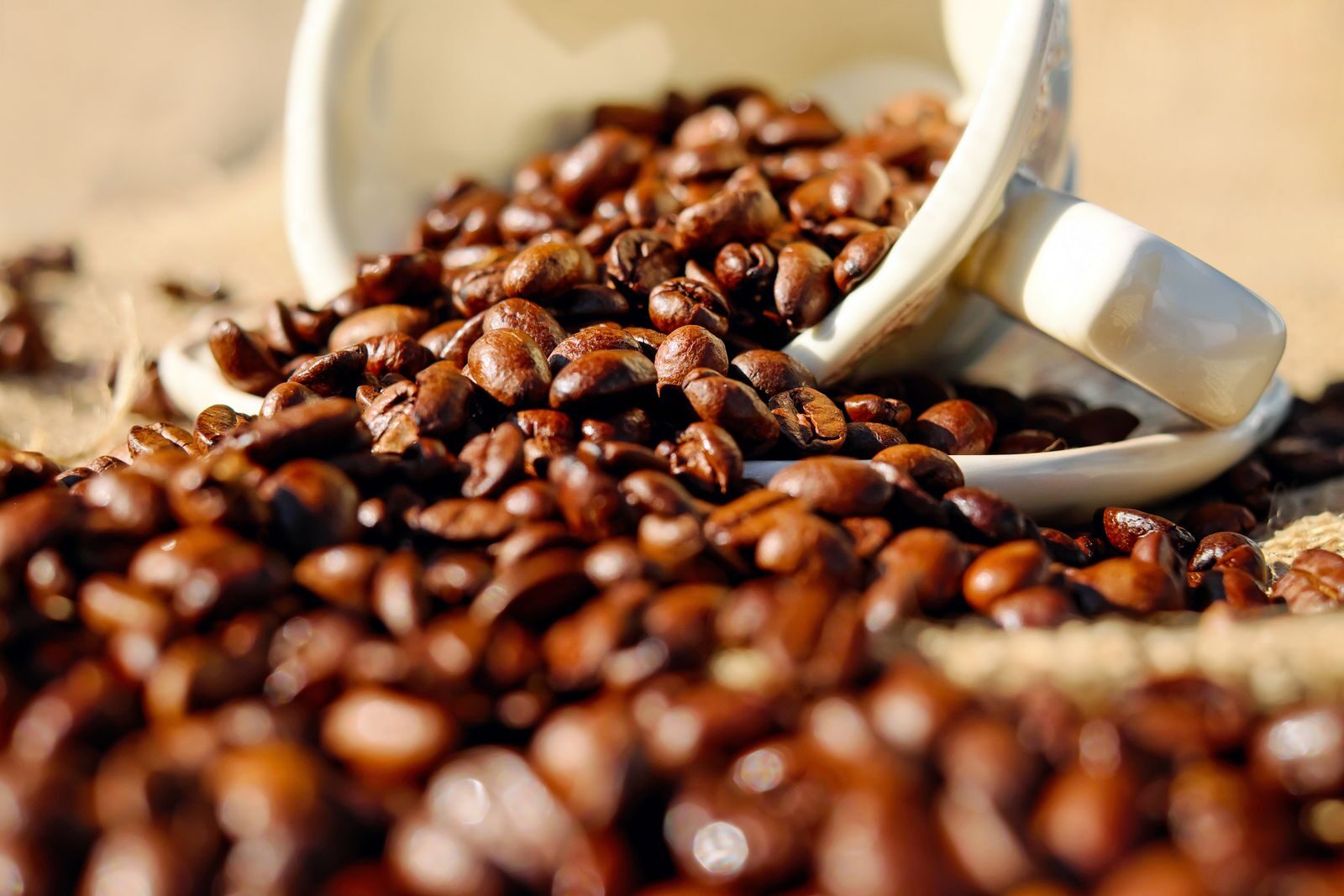
Hopefully you’ve had a chance to enjoy your coffee while it’s still warm today, Mama! International Coffee Day is a fun excuse to let your kids investigate what’s
Homeschool Learning Connection
Hopefully you’ve had a chance to enjoy your coffee while it’s still warm today, Mama! International Coffee Day is a fun excuse to let your kids investigate what’s in your mug. Follow coffee’s journey from a tropical farm through roasting and brewing. If you have a bag of coffee handy, check the label for its country of origin and find that place on a map. How far has your morning cup traveled?
Discover More
We call them coffee beans, but they’re actually seeds inside a fruit called a coffee cherry! Explore Kiddle’s coffee plant facts and photographs with your kids, looking for the flowers, fruit, and seeds. Then compare them with the roasted beans you might have in your kitchen. Would your kids have guessed that your morning coffee started out on a fruit-bearing plant?
01oct12:00 amNational Homemade Cookies Day
Homeschool Learning Connection
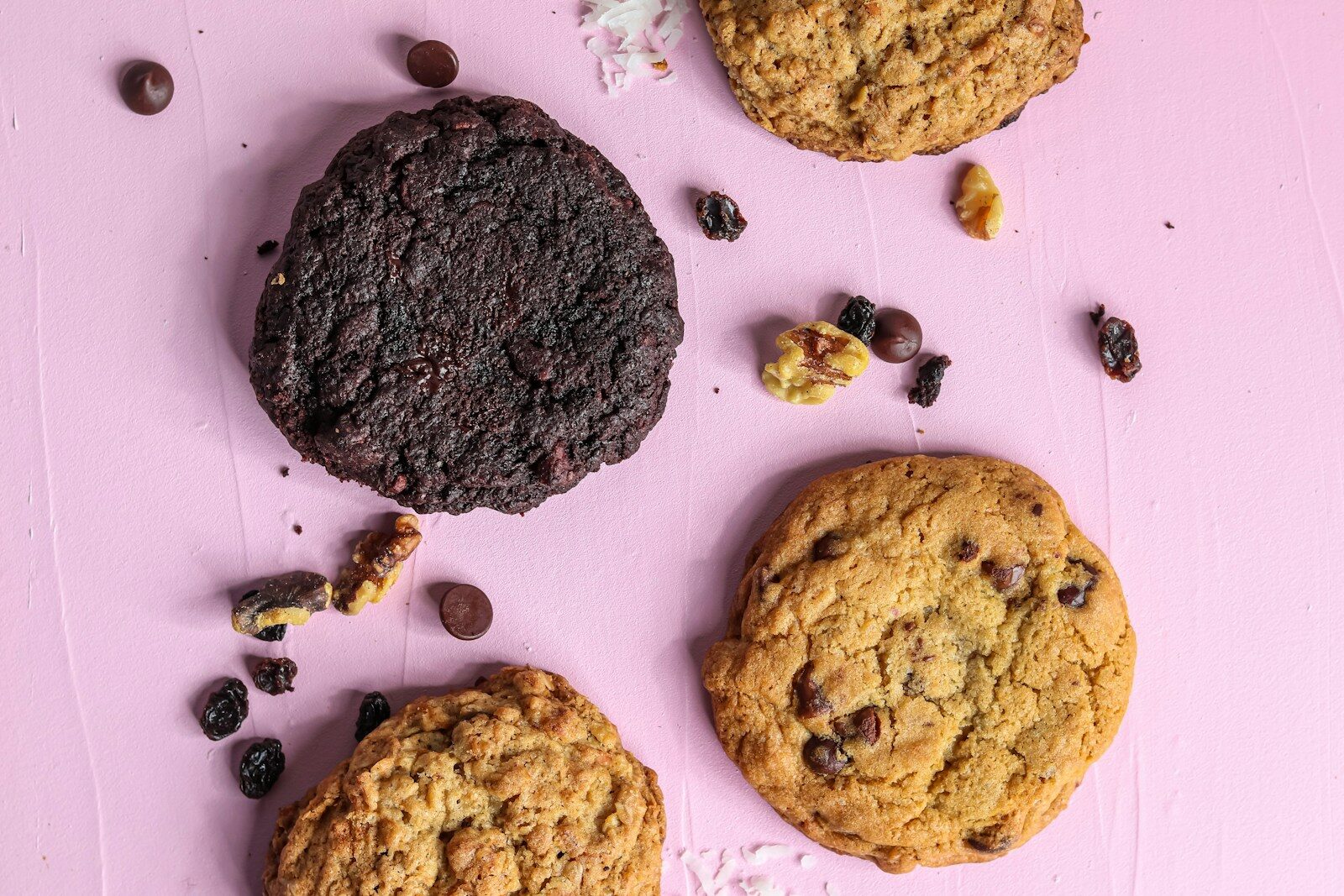
If you needed an excuse to bake cookies with your kids, here it is! National Homemade Cookies Day brings plenty of learning to the kitchen, from measuring flour
Homeschool Learning Connection
If you needed an excuse to bake cookies with your kids, here it is! National Homemade Cookies Day brings plenty of learning to the kitchen, from measuring flour to figuring out how many cookies each person gets. Let your kids help read the recipe, measure ingredients, and arrange the dough on the tray. While the cookies cool, decide together who might enjoy a little plate delivered to their door.
Discover More
Could a short stay in the refrigerator change how a cookie turns out? Explore King Arthur Baking’s chilled cookie dough experiment, then try baking a few cookies right away and chilling the remaining dough for 30 minutes. Keep the dough portions and baking conditions the same. Invite your kids to predict which cookies will spread more, then compare your cooled results. Taste-testing counts as research today!
01oct12:00 amWorld Vegetarian Day
Homeschool Learning Connection
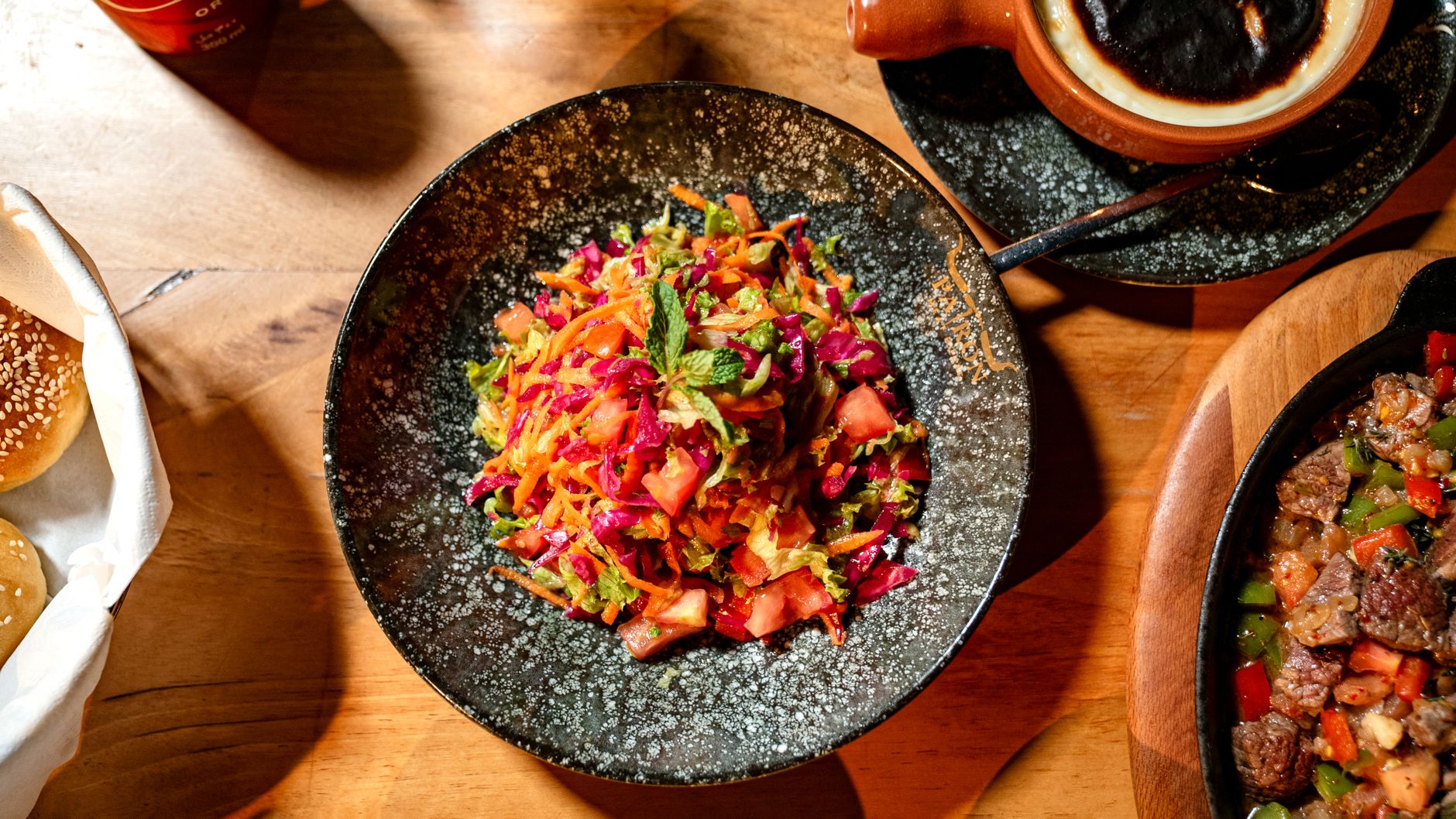
Your family may already enjoy more meatless meals than your kids realize! Bean burritos, vegetable curry, and pasta with tomato sauce are all delicious places to start. World
Homeschool Learning Connection
Your family may already enjoy more meatless meals than your kids realize! Bean burritos, vegetable curry, and pasta with tomato sauce are all delicious places to start. World Vegetarian Day invites you to explore how cooks turn beans, lentils, grains, and vegetables into favorite dishes. Let your kids help plan a meatless dinner, perhaps borrowing an idea from another part of the world. What would they put on the menu?
Discover More
Don’t pour that chickpea liquid down the sink just yet! Called aquafaba, it can whip into fluffy white peaks and become sweet meringues. Explore King Arthur Baking’s guide to aquafaba with your kids, then try the transformation together. Ask them to predict what will happen before you start the mixer. Who would expect a can of chickpeas to help make dessert?
02oct12:00 amNational Smarties Day
Homeschool Learning Connection
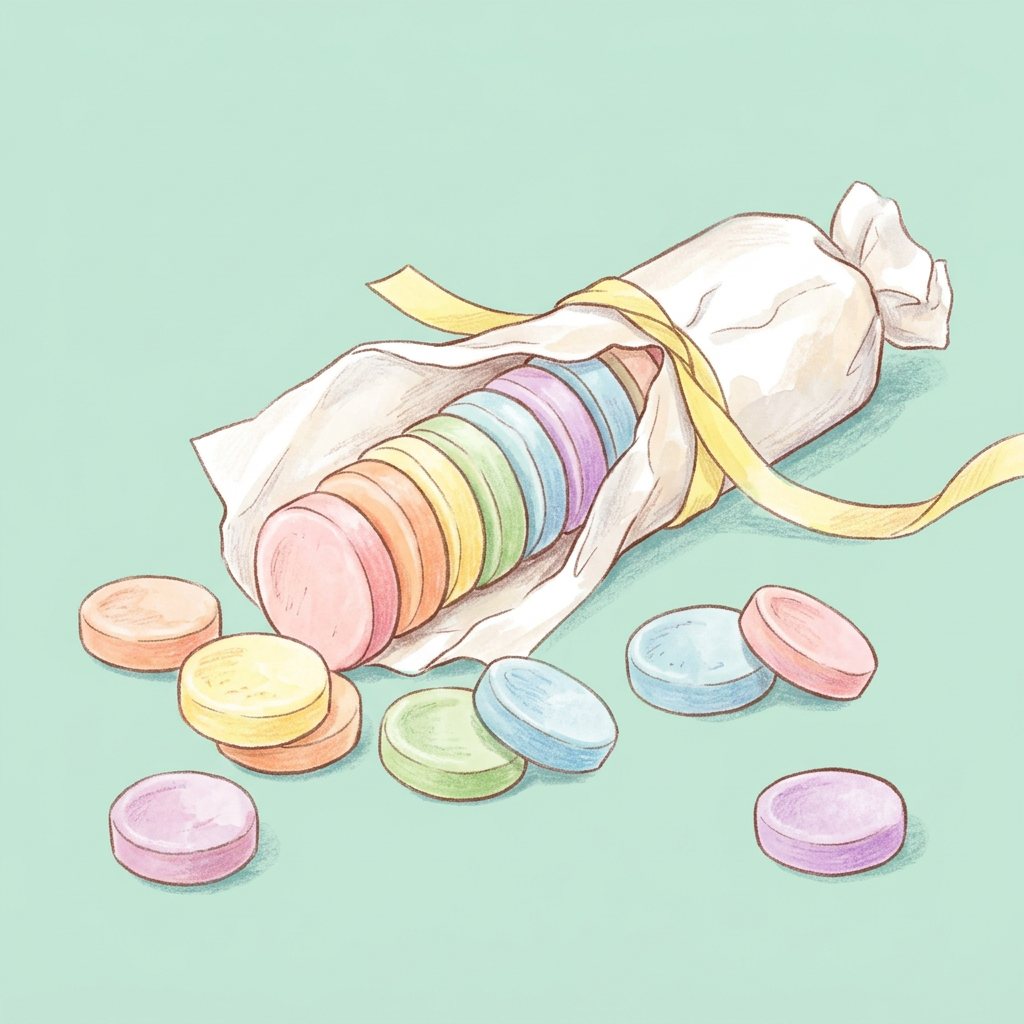
Can a roll of candy become a math lesson? Absolutely! Grab a few rolls of Smarties and practice sorting, estimating, counting, and graphing the different colors. Compare your
Homeschool Learning Connection
Can a roll of candy become a math lesson? Absolutely! Grab a few rolls of Smarties and practice sorting, estimating, counting, and graphing the different colors. Compare your results with someone else’s. Does every roll contain the same combination? For an extra challenge, calculate which color appears most often!
Discover More
Did you know Smarties began with just two candy-making machines? In 1949, Edward Dee arrived in America from England and started the company that would eventually produce billions of candy rolls each year! Explore The Sweet Story of Smarties to discover how a small family business grew into a candy-making success.
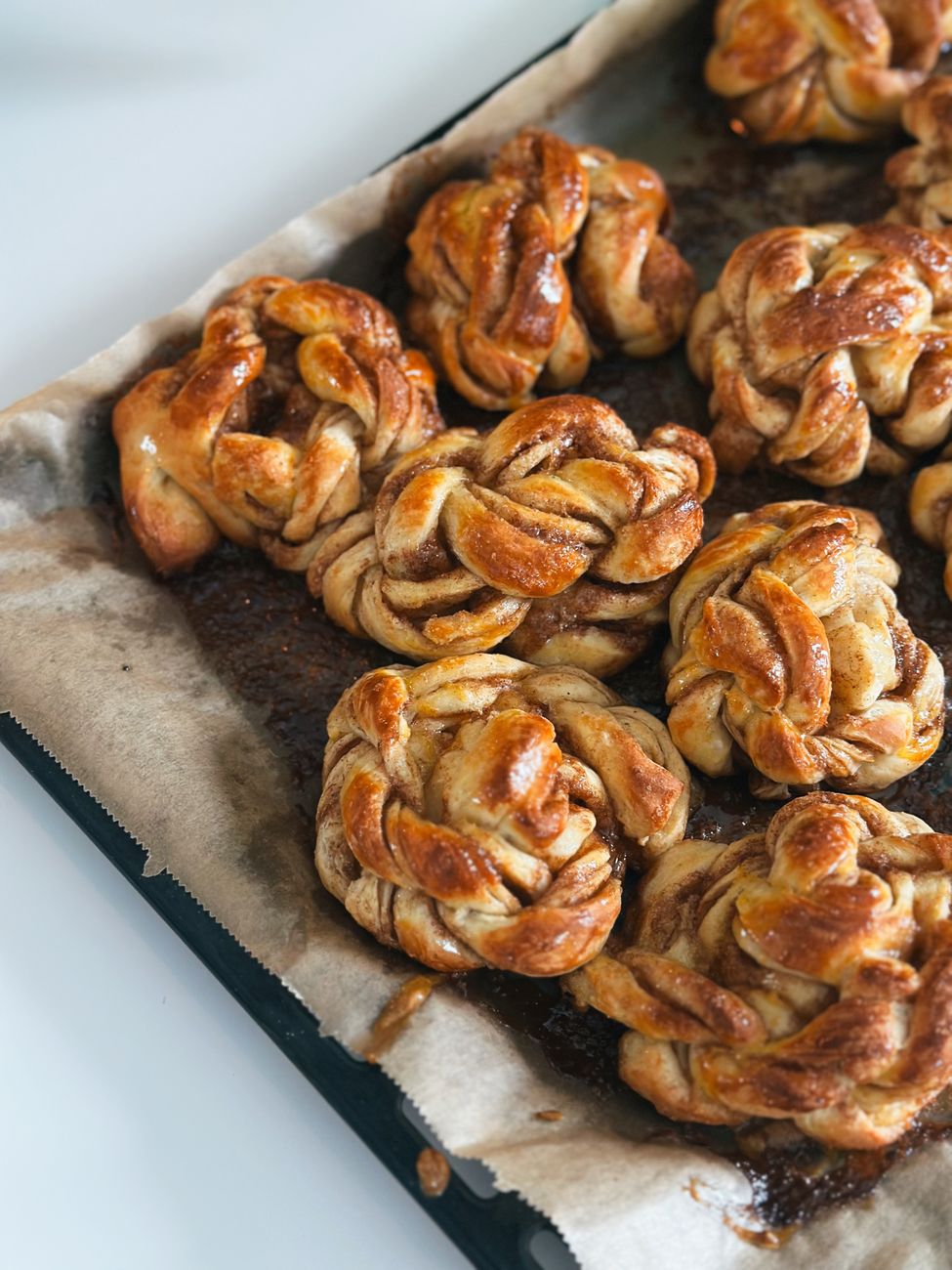
04oct12:00 amNational Cinnamon Bun Day
Homeschool Learning Connection
Take a delicious trip to Sweden, where cinnamon buns are a beloved part of the coffee-break tradition called fika. Explore Swedish customs, locate Sweden on a map, and
Homeschool Learning Connection
Take a delicious trip to Sweden, where cinnamon buns are a beloved part of the coffee-break tradition called fika. Explore Swedish customs, locate Sweden on a map, and try shaping a cinnamon bun.
Discover More
Discover the traditions behind Swedish fika through Sweden's guide to fika, and imagine what treat your family would bring to a cozy afternoon break.
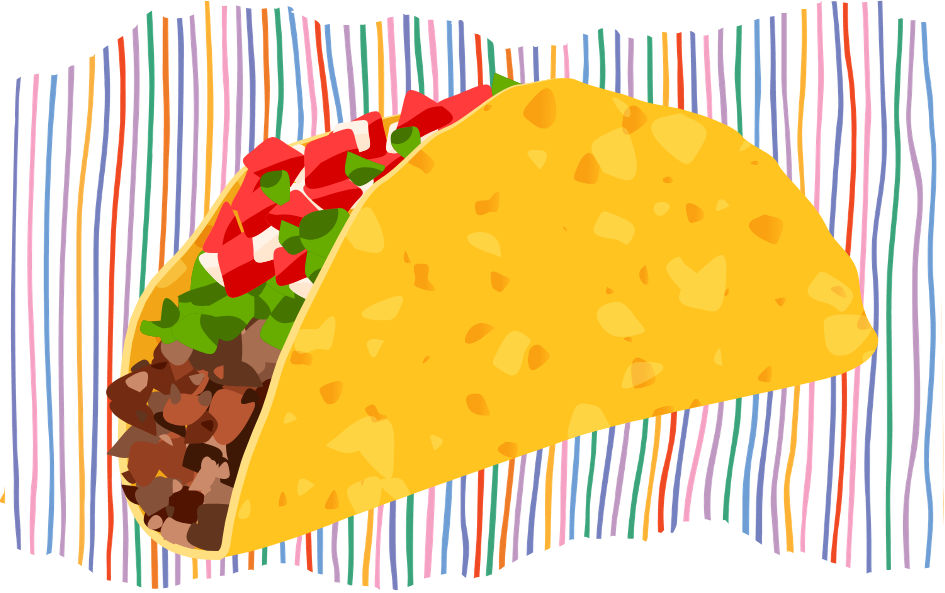
05octAll DayNational Taco Day ✨
Homeschool Learning Connection
What makes a taco a taco? Discover how tortillas, fillings, and toppings reflect Mexican food traditions, then explore how tacos inspire creativity in the kitchen.
Homeschool Learning Connection
What makes a taco a taco? Discover how tortillas, fillings, and toppings reflect Mexican food traditions, then explore how tacos inspire creativity in the kitchen.
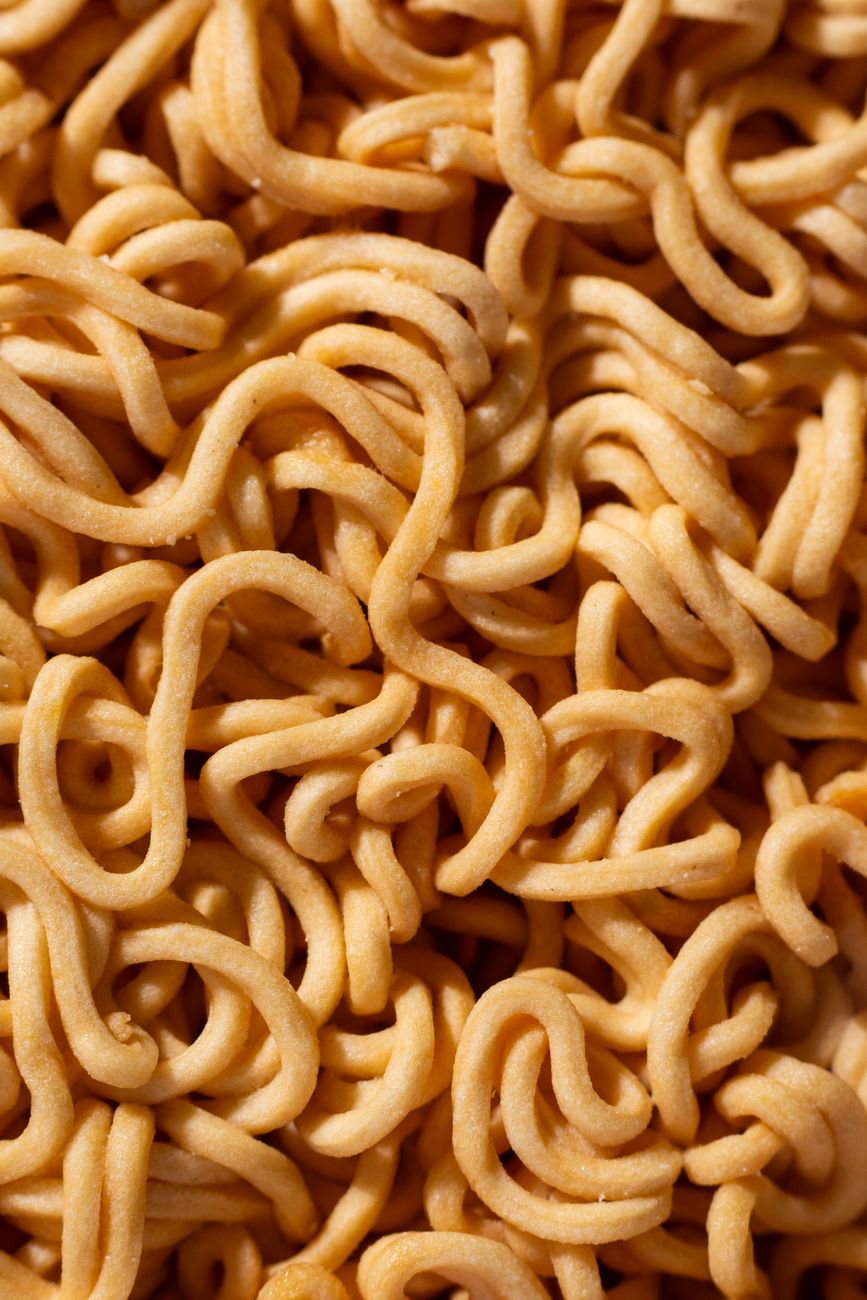
06oct12:00 amNational Noodle Day
Homeschool Learning Connection
Noodles appear in cuisines around the world, from Japanese ramen to Vietnamese pho and Italian pasta. Locate these places on a map, compare the ingredients and shapes of
Homeschool Learning Connection
Noodles appear in cuisines around the world, from Japanese ramen to Vietnamese pho and Italian pasta. Locate these places on a map, compare the ingredients and shapes of their noodles, and try something unfamiliar.
Discover More
What kinds of noodles are enjoyed around the world? Explore noodle shapes and flavors by choosing a recipe from a family cookbook or making a simple noodle dish together. Compare the shape and texture of two kinds of noodles with BBC Good Food’s noodle recipes.
Homeschool Learning Connection
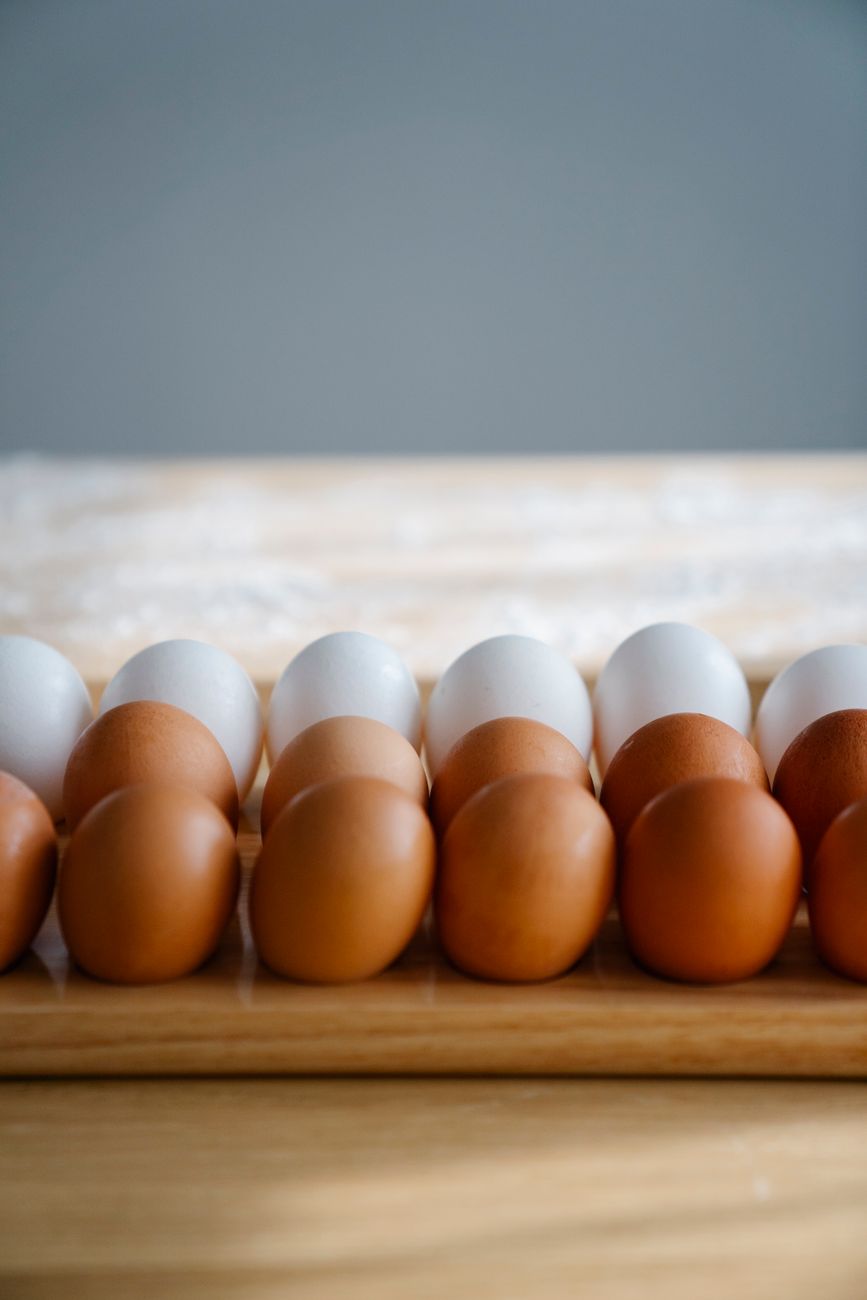
Eggs are more than just a breakfast favorite! Explore the science behind eggshells, discover why eggs come in different colors and sizes, and investigate how eggs are prepared
Homeschool Learning Connection
Eggs are more than just a breakfast favorite! Explore the science behind eggshells, discover why eggs come in different colors and sizes, and investigate how eggs are prepared and enjoyed in cultures around the world.
Discover More
Can you walk on eggs without breaking them? It sounds impossible, but the curved shape of an eggshell makes it surprisingly strong when pressure is distributed evenly! Explore the science with Science Buddies’ hands-on STEM activities.
08oct12:00 amNational Pierogi Day
Homeschool Learning Connection
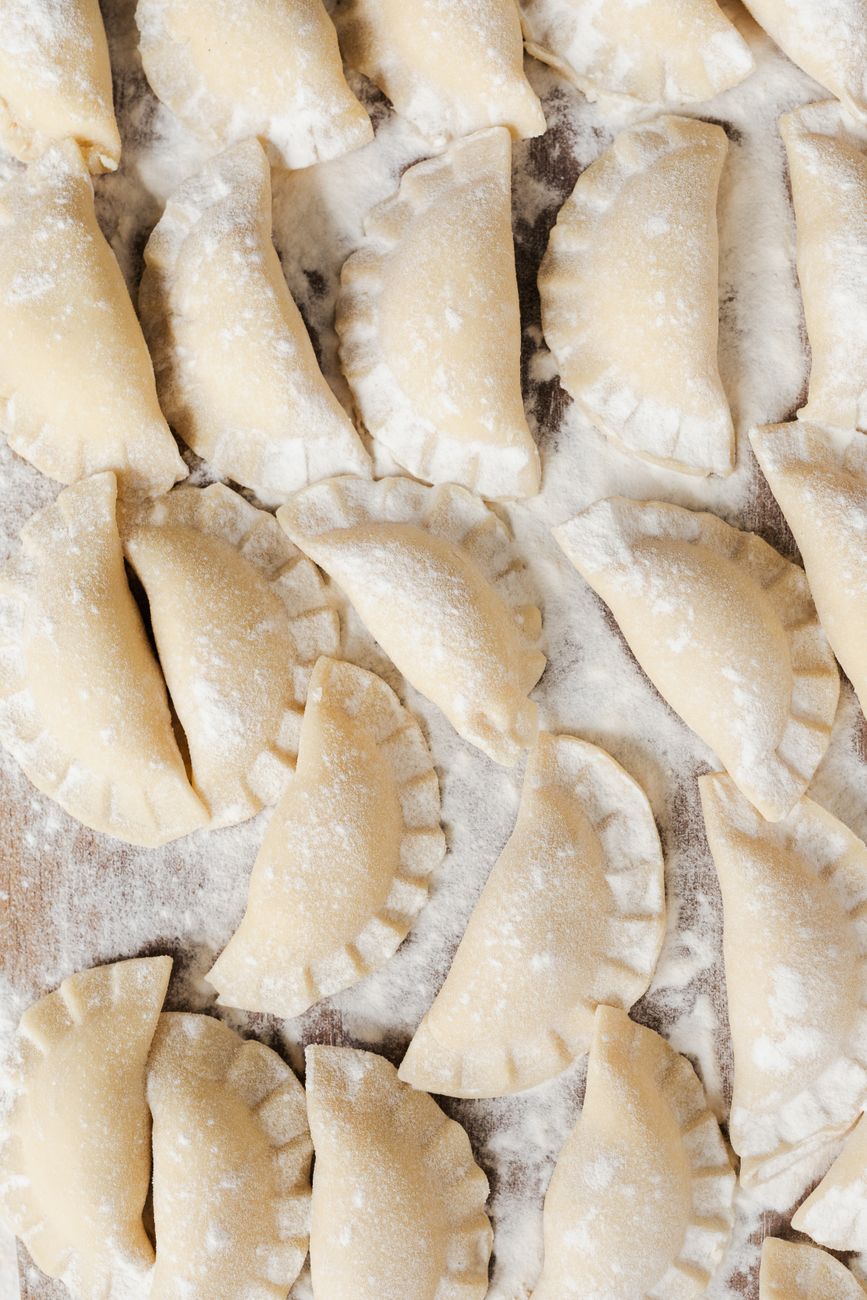
Take a culinary trip to Poland! Pierogi are filled dumplings that can hold potatoes, cheese, cabbage, or even fruit. Locate Poland on a map, discover the food traditions
Homeschool Learning Connection
Take a culinary trip to Poland! Pierogi are filled dumplings that can hold potatoes, cheese, cabbage, or even fruit. Locate Poland on a map, discover the food traditions of Eastern Europe, and try shaping a few dumplings.
Discover More
What do potato-and-cheese pierogi look like before they are cooked? Explore this family pierogi recipe to see how dough is rolled, filled, and folded into little pockets. Could your family try making a batch together?
12oct12:00 amNational Farmer's Day ✨
Homeschool Learning Connection
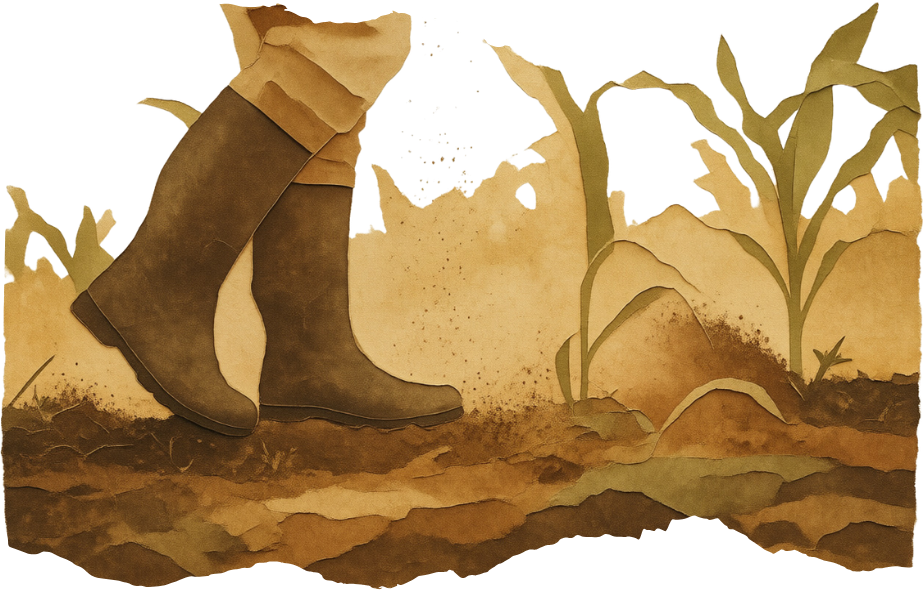
How does food travel from a field or farm to your table? Farmer's Day is a chance to explore agriculture, the work behind the foods we eat, and
Homeschool Learning Connection
How does food travel from a field or farm to your table? Farmer’s Day is a chance to explore agriculture, the work behind the foods we eat, and the people who help feed their communities.
12oct12:00 amNational Gumbo Day
Homeschool Learning Connection
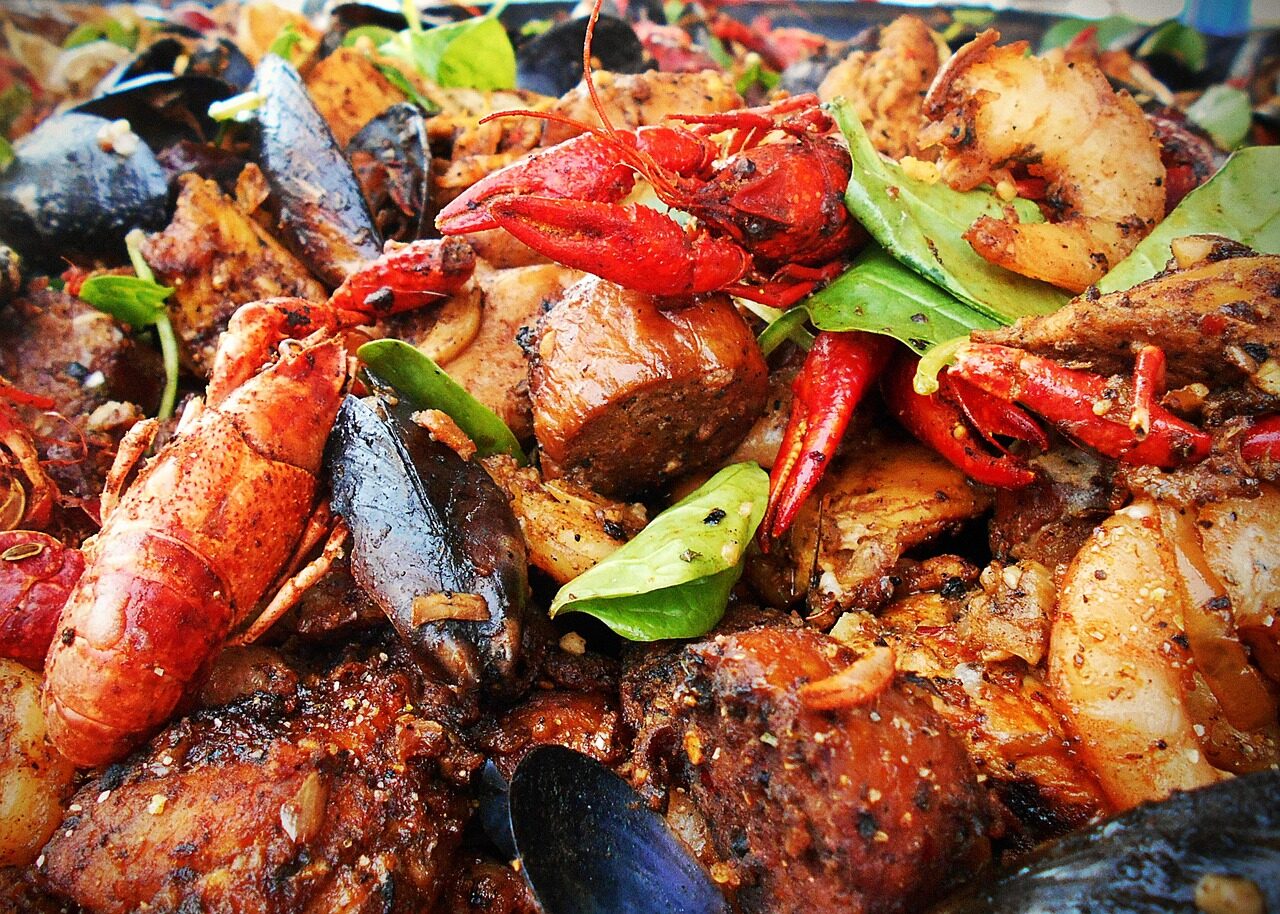
A bowl of gumbo tells the story of Louisiana! Discover how African, Native American, and European food traditions came together to create this famous dish. Explore the difference
Homeschool Learning Connection
A bowl of gumbo tells the story of Louisiana! Discover how African, Native American, and European food traditions came together to create this famous dish. Explore the difference between Cajun and Creole cooking, then investigate the ingredients that make each family’s gumbo recipe unique.
Discover More
Did you know the word gumbo comes from a West African word for okra? This humble vegetable is just one clue to the dish’s fascinating history! Explore Louisiana’s Guide to Gumbo to discover its cultural roots, surprising ingredients, and delicious regional variations.
14oct12:00 amNational Dessert Day
Homeschool Learning Connection
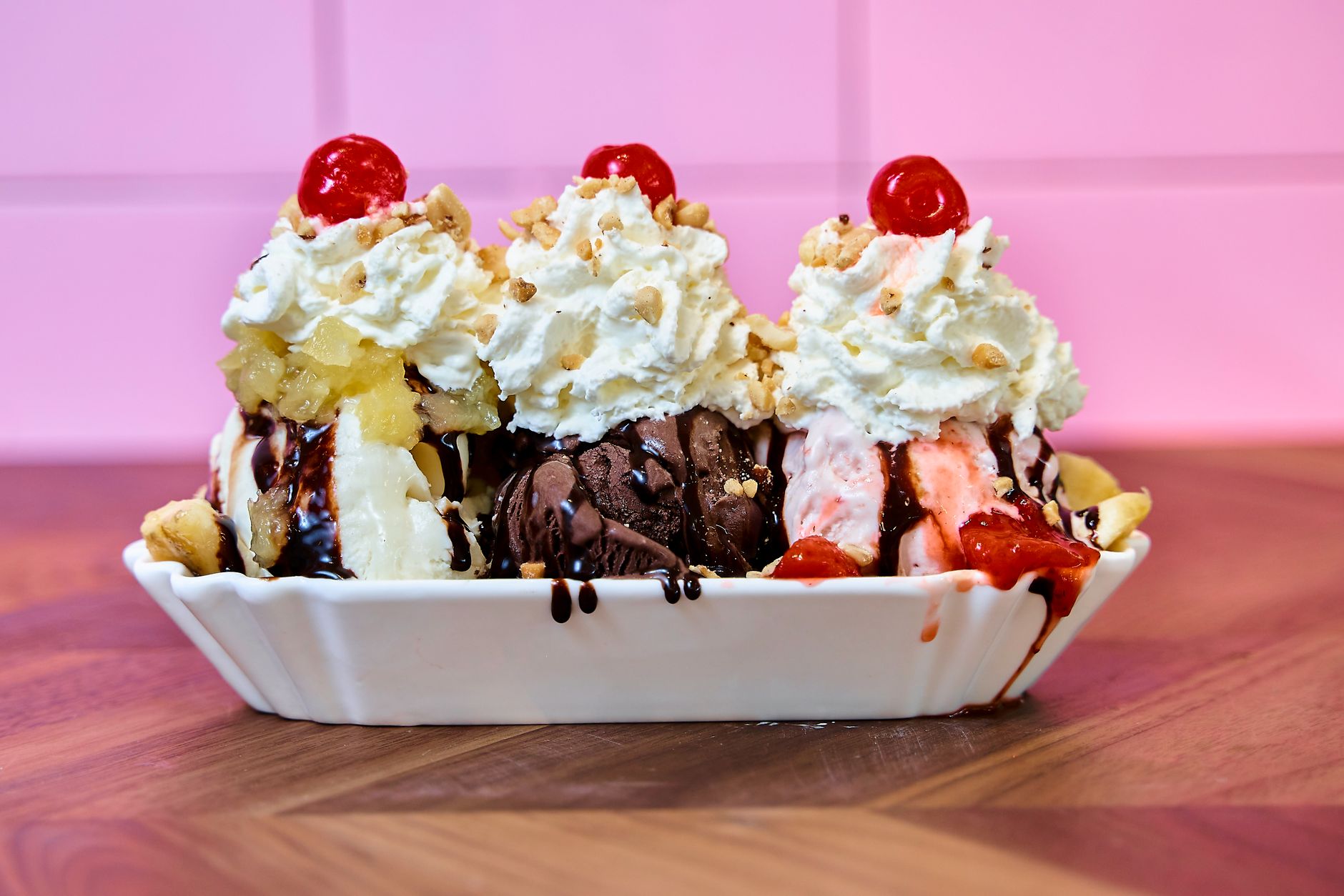
Tonight calls for dessert! Did you know that finishing dinner with something sweet was once a more common American tradition? Explore how family mealtimes have changed over the
Homeschool Learning Connection
Tonight calls for dessert! Did you know that finishing dinner with something sweet was once a more common American tradition? Explore how family mealtimes have changed over the years, ask grandparents about their favorite childhood desserts, and bring back an old-fashioned tradition by enjoying something special together after dinner.
Discover More
What did dessert look like in the 1950s? From chocolate pudding and homemade pies to elaborate ice cream treats, the possibilities were delicious! Take a peek into the past with the Smithsonian’s 1950s Dessert Menus, featuring an incredible selection of sweets served aboard the SS United States. Which dessert would you order?
15oct12:00 amNational Shawarma Day
Homeschool Learning Connection
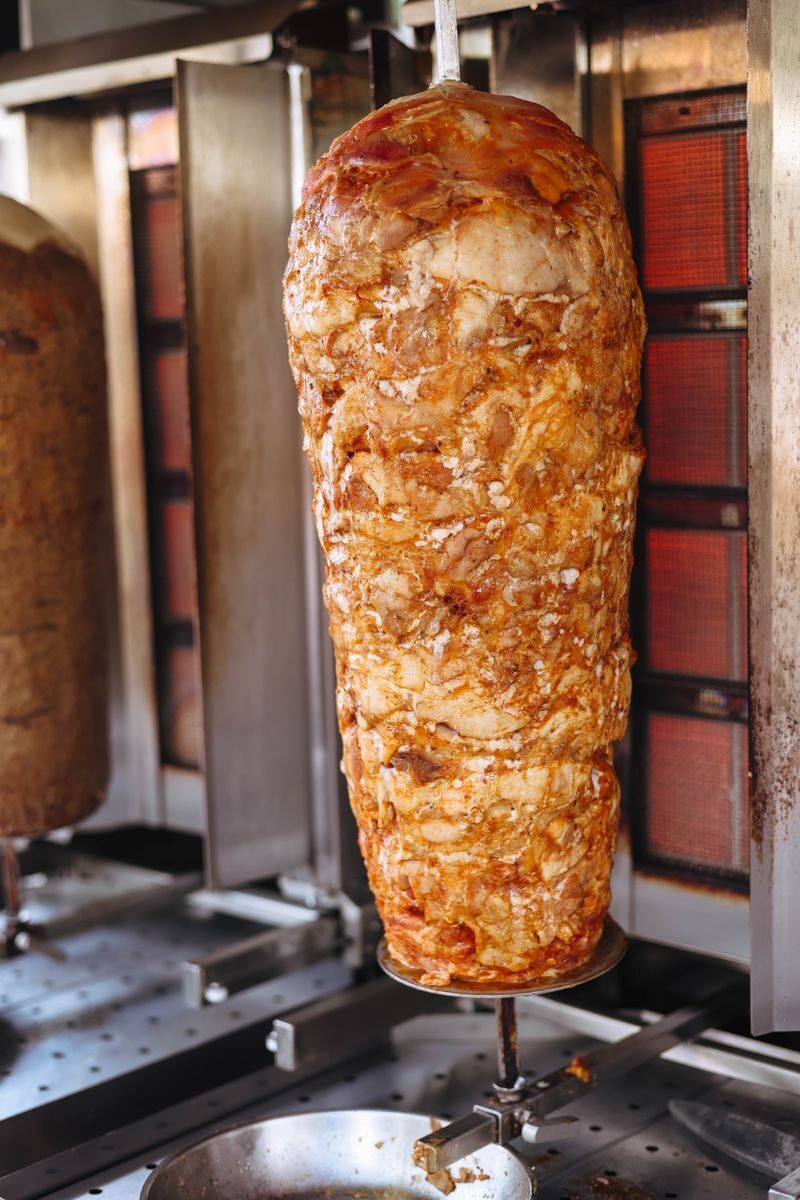
Take a delicious trip to the Middle East! Discover how shawarma is made by slowly roasting seasoned meat on a rotating spit, then explore the countries and cultures
Homeschool Learning Connection
Take a delicious trip to the Middle East! Discover how shawarma is made by slowly roasting seasoned meat on a rotating spit, then explore the countries and cultures where this popular street food is enjoyed. Compare shawarma with Greek gyros and Turkish döner kebab. What similarities can you find?
Discover More
What do Middle Eastern shawarma and Mexican tacos have in common? More than you might think! Lebanese immigrants brought their spit-roasting traditions to Mexico, helping inspire the creation of tacos al pastor. Discover this surprising connection in the Smithsonian’s Where Did the Taco Come From? and see how food traditions can travel across oceans and inspire something new!
Homeschool Learning Connection
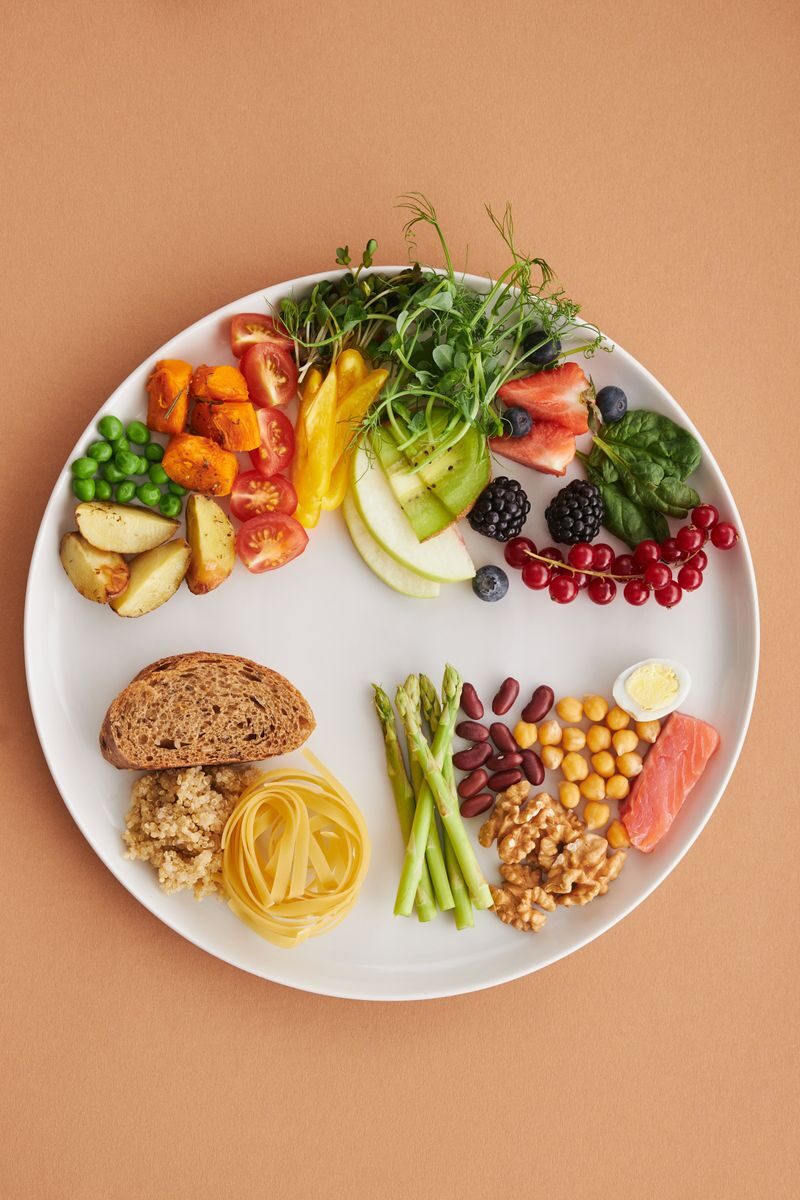
Have you ever wondered how far your food travels before reaching your plate? Every meal connects us to farms, soil, water, transportation, and hardworking people around the world.
Homeschool Learning Connection
Have you ever wondered how far your food travels before reaching your plate? Every meal connects us to farms, soil, water, transportation, and hardworking people around the world. Choose one food from your kitchen and trace its journey from farm to table. How many people, places, and resources helped bring it to you?
Discover More
Could you become a Food Hero? The United Nations’ Food and Agriculture Organization invites kids to explore how science, creativity, and everyday choices can help feed the world! Discover free activity books, interactive games, videos, and even a poster contest on the World Food Day Youth Page.
18oct12:00 amNational Chocolate Cupcake Day
Homeschool Learning Connection
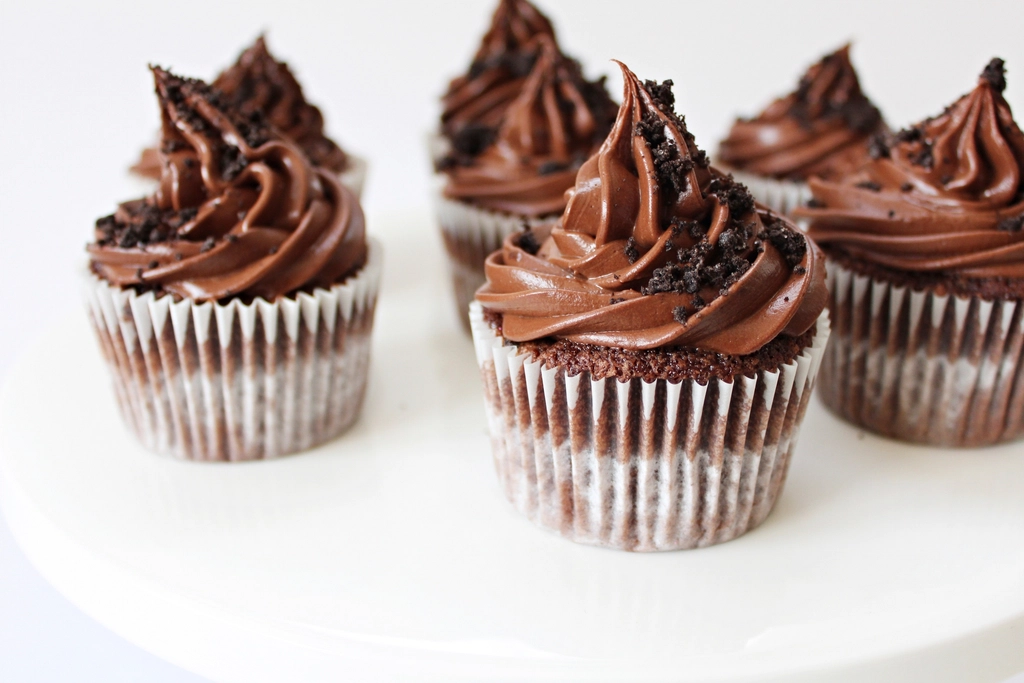
Chocolate cupcakes and a little kitchen science? That sounds like a pretty sweet afternoon! Invite your kids to help measure, mix, and discover what each ingredient contributes to
Homeschool Learning Connection
Chocolate cupcakes and a little kitchen science? That sounds like a pretty sweet afternoon! Invite your kids to help measure, mix, and discover what each ingredient contributes to a batch. Baking soda and baking powder help the cupcakes rise, while careful measuring helps everything work together. Once they’ve cooled, break one open and look for the tiny pockets left by bubbles. There’s more happening beneath that frosting than you might think!
Discover More
More batter means a better cupcake, right? Put that idea to the test with Sally’s Super Moist Chocolate Cupcakes recipe! Fill most liners halfway as directed, but let your kids fill a couple two-thirds full. Before baking, ask them to predict what will happen. Will those cupcakes grow taller, spread over the edges, or sink in the middle? Compare the results once they’ve cooled. Baking mishaps can make delicious discoveries!
21oct12:00 amNational Apple Day
Homeschool Learning Connection
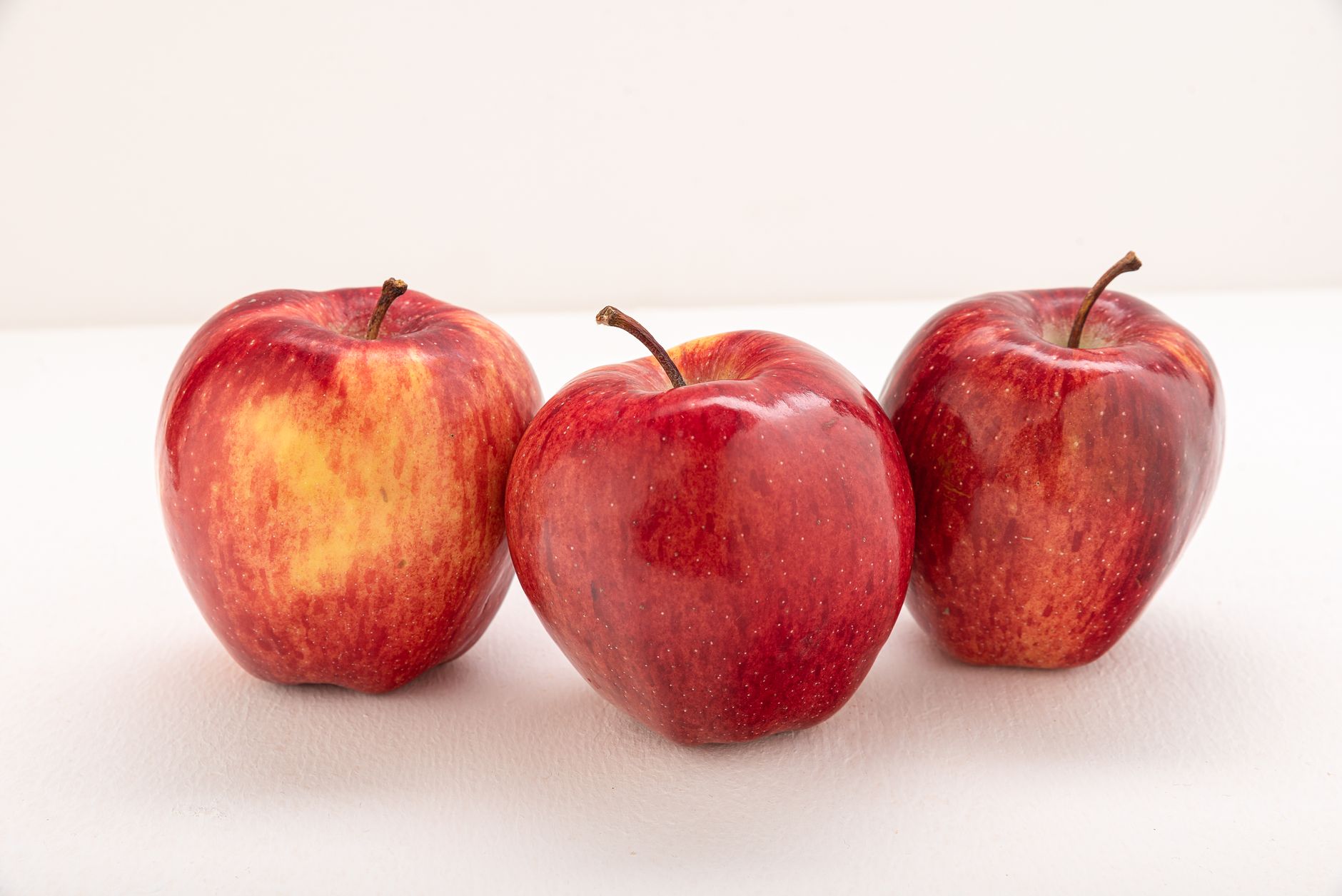
How many different kinds of apples have you tasted? From tart Granny Smiths to sweet Honeycrisps, apples come in an amazing variety of colors, flavors, and textures! Host
Homeschool Learning Connection
How many different kinds of apples have you tasted? From tart Granny Smiths to sweet Honeycrisps, apples come in an amazing variety of colors, flavors, and textures! Host a family apple taste test, investigate the parts of an apple, or explore the science behind why sliced apples turn brown. Which variety earns your family’s top rating?
Discover More
Can you keep a sliced apple from turning brown? Put your kitchen science skills to the test! Experiment with lemon juice, water, vinegar, and other liquids to discover which ones slow browning and why. Follow Science Buddies’ Fruits Gone Bad? experiment for a fun, hands-on investigation into the surprising chemistry hiding inside an apple!
Homeschool Learning Connection
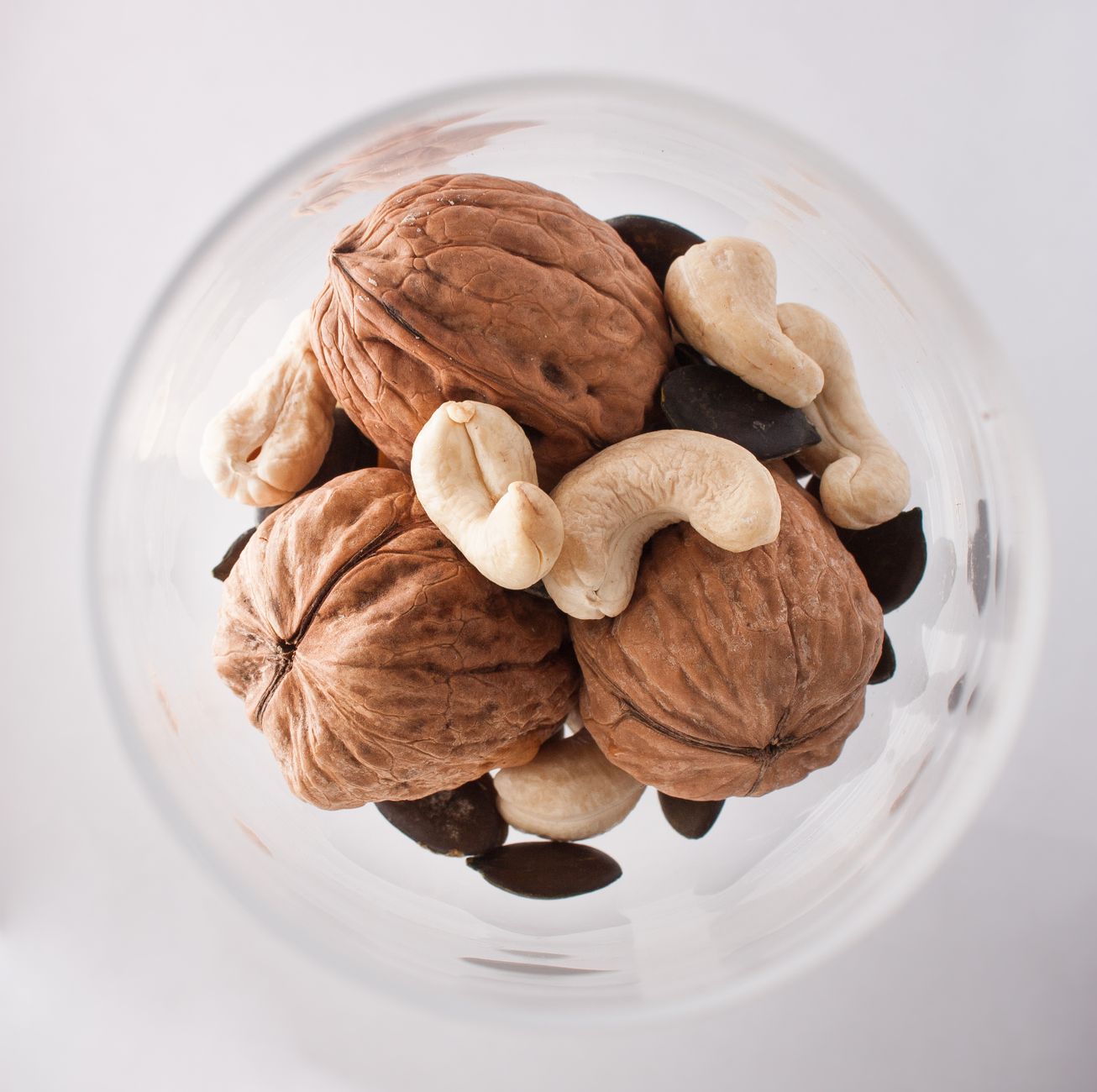
What makes a nut a nut? The answer might surprise you and your kids! If your front yard or local park is currently carpeted with acorns, walnuts, and
Homeschool Learning Connection
What makes a nut a nut? The answer might surprise you and your kids! If your front yard or local park is currently carpeted with acorns, walnuts, and hickory nuts, you have a ready-made science lab waiting right outside! National Nut Day is a wonderful excuse to head outdoors for a quick nature walk and see how many different seed-packaging designs your kids can collect. Botanists look closely at how plants protect their seeds, comparing things like hard woody shells, husks, and winged coverings. Invite your kids to gather a handful of outdoor finds alongside a few pantry snacks, lay them side by side, and sort them by their outer armor. See what similarities and surprises you can spot before your afternoon snack break!
more
Discover More
Peanuts aren’t really nuts? Your kids might have questions about that one! They’re legumes, related to peas and beans, and almonds, cashews, and pistachios aren’t true botanical nuts either. Explore National Agriculture in the Classroom’s Cracking Open the Story of Nuts together, then see which of your family’s favorites qualify as true nuts. How many would you have guessed correctly?
23oct12:00 amNational Boston Cream Pie Day
Homeschool Learning Connection
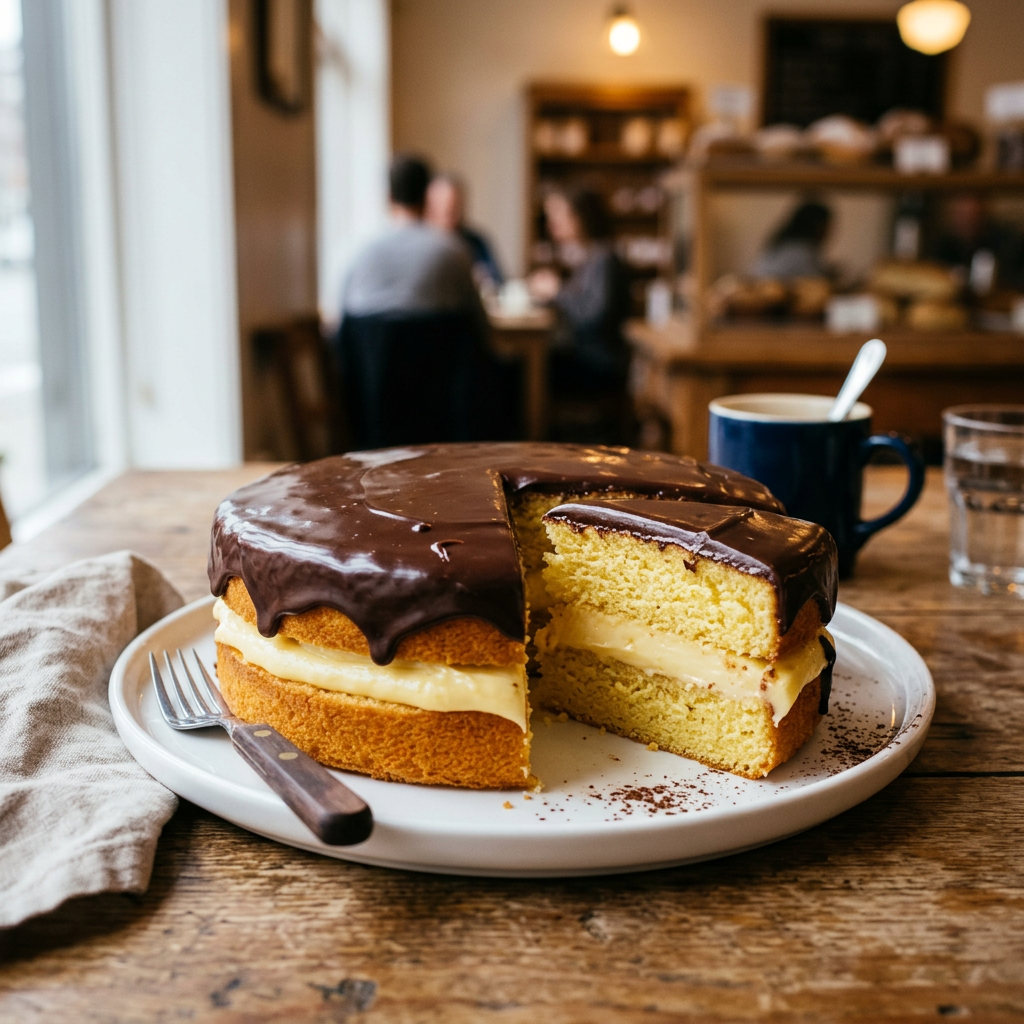
A little geography, a little American history, and a slice of chocolate-covered cake? That sounds like a pretty sweet homeschool day! National Boston Cream Pie Day takes your
Homeschool Learning Connection
A little geography, a little American history, and a slice of chocolate-covered cake? That sounds like a pretty sweet homeschool day! National Boston Cream Pie Day takes your family to Boston, Massachusetts, a city filled with stories from America’s past. Find Boston on a map, then invite your kids to plan an imaginary visit. Would they explore Paul Revere’s house, visit the Old North Church, or stop by the historic Parker House Hotel, where Boston cream pie was first created? Perhaps they’d save the sweetest stop for last!
Discover More
It has layers of sponge cake, creamy custard, and chocolate on top… so why is it called a pie? The answer takes us back to a time when cakes and pies weren’t always so clearly distinguished! Show your kids the Parker House’s famous Boston cream pie, then explore how this delicious dessert got its unusual name. In 1996, it even became Massachusetts’s official state dessert!
24oct12:00 amNational Food Day
Homeschool Learning Connection
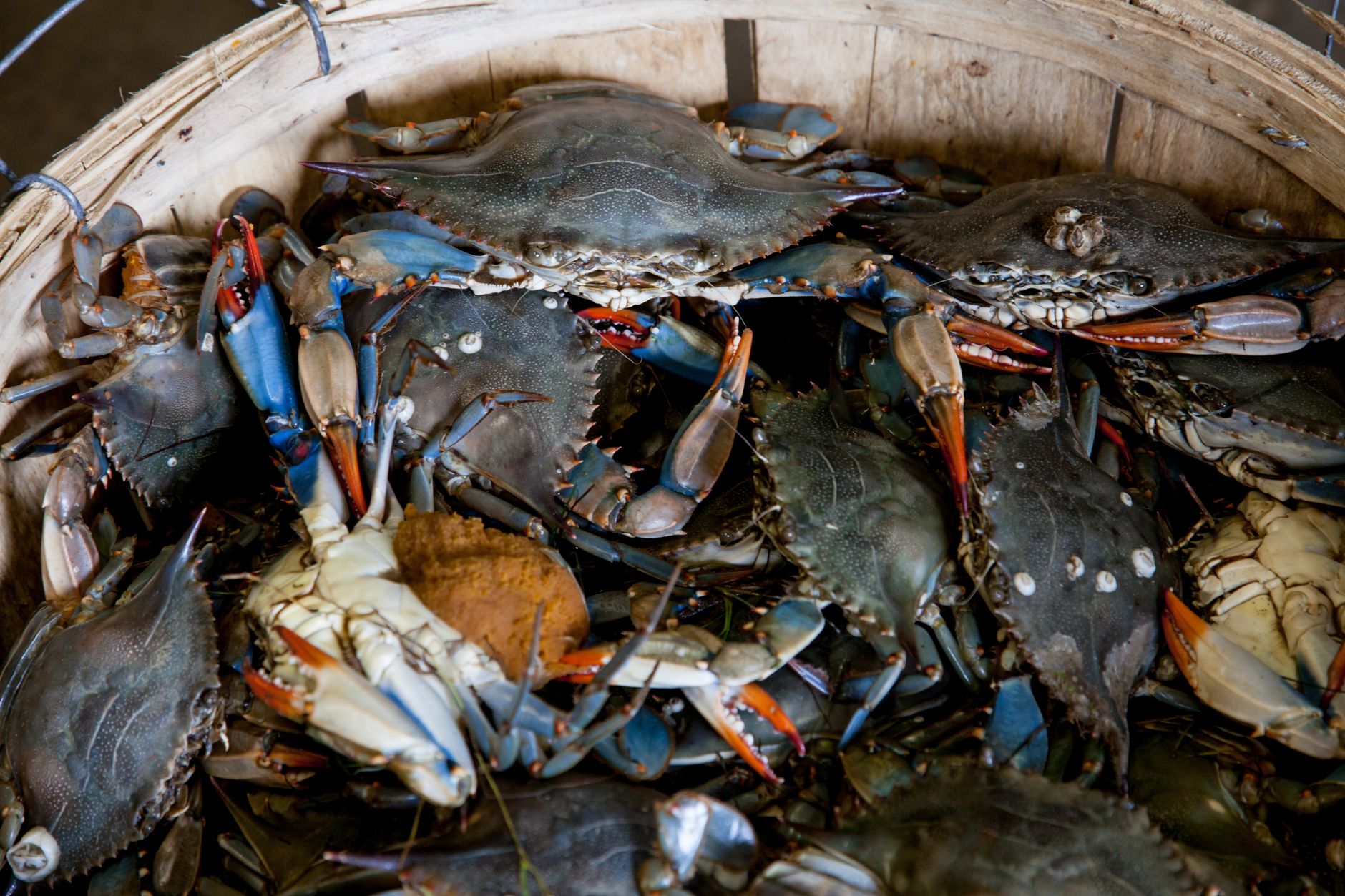
What do Kentucky Hot Browns, Maryland steamed blue crabs, and Florida's Cuban sandwiches have in common? They're all delicious clues to America's regional history and culture! Take a
Homeschool Learning Connection
What do Kentucky Hot Browns, Maryland steamed blue crabs, and Florida’s Cuban sandwiches have in common? They’re all delicious clues to America’s regional history and culture! Take a culinary road trip across the United States, discover the stories behind local specialties, and challenge your family to try a food from a state you’ve never visited.
Discover More
Every state has its own delicious specialties waiting to be discovered! Take a tasty trip across America with DUYW’s National States and Capitals Day Learning Adventure. Explore regional foods, discover what makes each state unique, and start building your family’s ultimate food bucket list!
25oct12:00 amWorld Pasta Day ✨
Homeschool Learning Connection
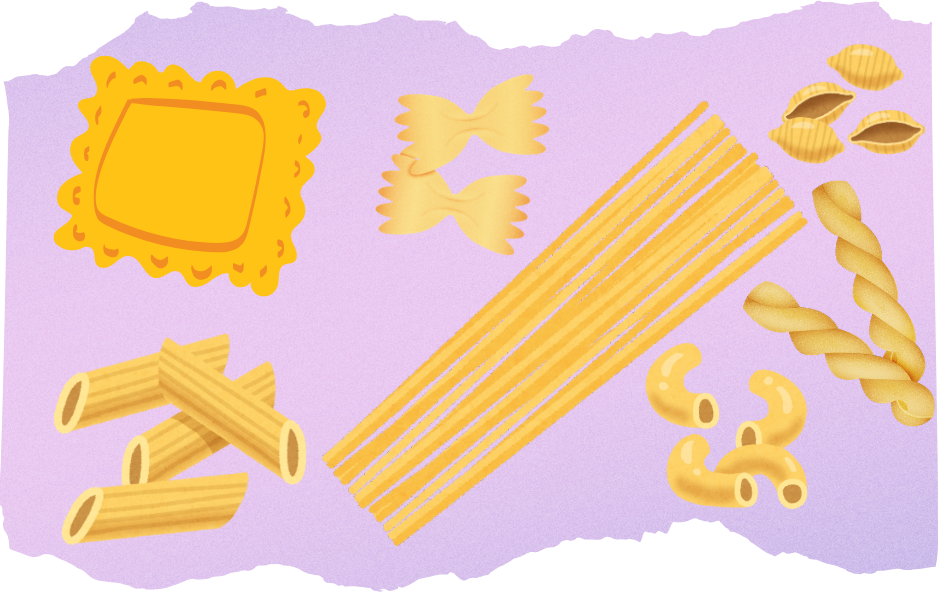
Pasta comes in an astonishing variety of shapes, sizes, and traditions. Follow this favorite food into questions about culture, creativity, ingredients, and why different shapes work so well
Homeschool Learning Connection
Pasta comes in an astonishing variety of shapes, sizes, and traditions. Follow this favorite food into questions about culture, creativity, ingredients, and why different shapes work so well with different dishes.
26oct12:00 amNational Pumpkin Day ✨
Homeschool Learning Connection
Pumpkins are more than fall decorations. Look inside this familiar fruit to discover seeds, plant science, food traditions, and plenty of unexpected ways pumpkins have become part of
Homeschool Learning Connection
Pumpkins are more than fall decorations. Look inside this familiar fruit to discover seeds, plant science, food traditions, and plenty of unexpected ways pumpkins have become part of autumn.
28oct12:00 amNational Chocolate Day
Homeschool Learning Connection
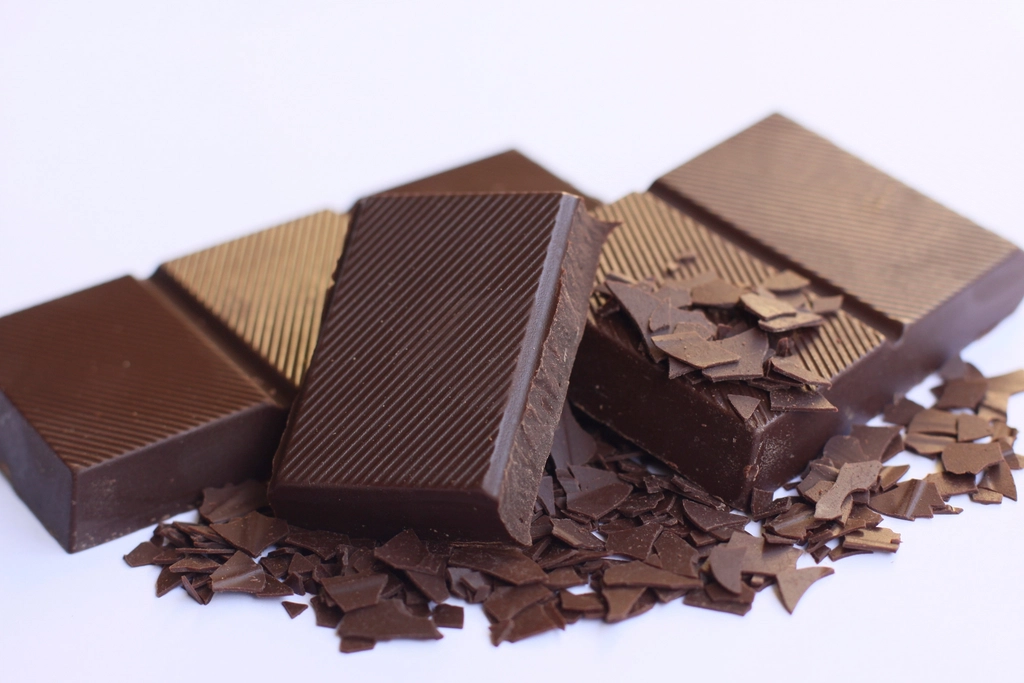
Chocolate grows on trees? That might be a fun surprise to share over a favorite chocolate treat! Chocolate begins with cacao trees, which grow in warm, rainy regions
Homeschool Learning Connection
Chocolate grows on trees? That might be a fun surprise to share over a favorite chocolate treat! Chocolate begins with cacao trees, which grow in warm, rainy regions near the equator. Their large pods grow right on the trunk and branches, and each pod holds seeds surrounded by sweet, white pulp. After the seeds are harvested, fermented, and roasted, they become the cocoa used to make chocolate. Invite your kids to imagine finding those colorful pods growing straight out of a tree trunk!
Discover More
No monkeys, no chocolate? Believe it or not, monkeys play a surprising role in helping cacao trees grow! They enjoy the sweet pulp inside cacao pods and spit out the bitter seeds, helping spread them across the forest floor. Discover the connection between rainforest animals and your favorite chocolate treats in DUYW’s National Monkey Day Learning Adventure, then see if your family can find cacao-growing regions on a map.
29oct12:00 amNational Oatmeal Day
Homeschool Learning Connection
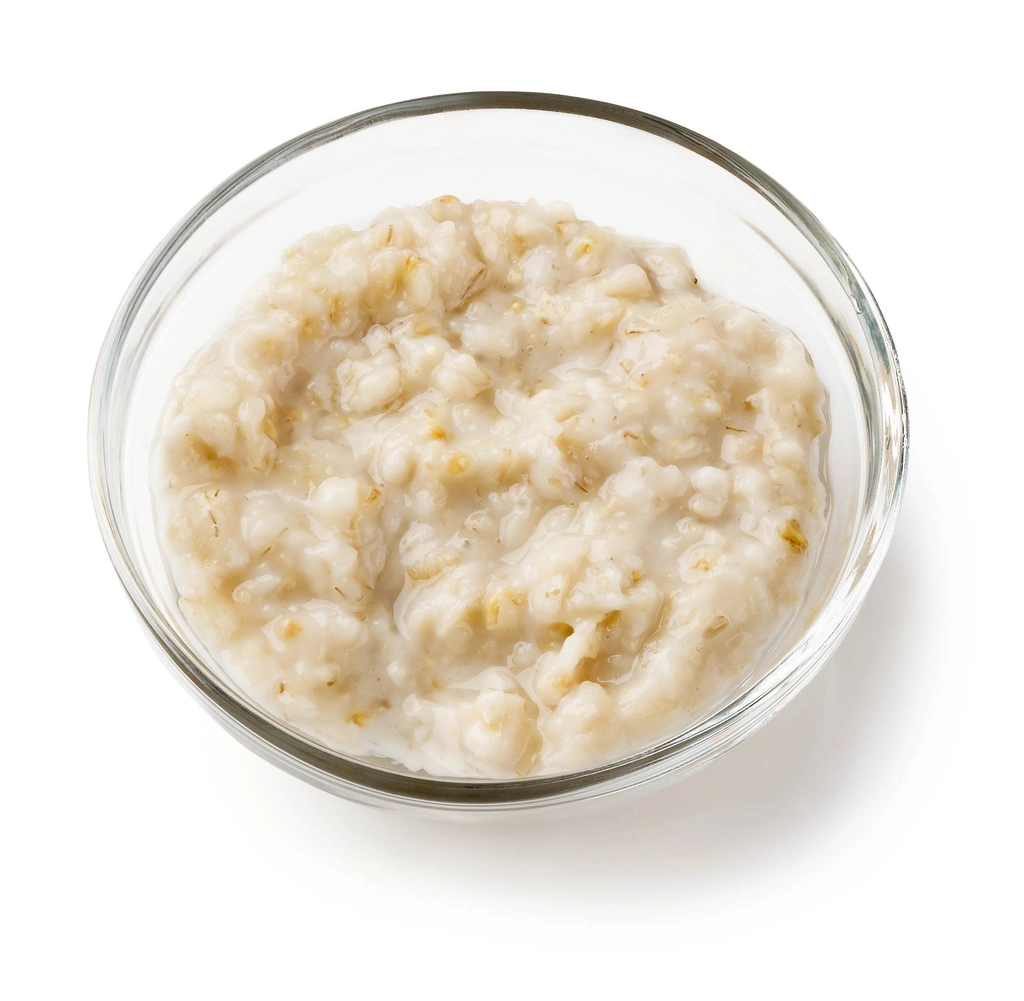
Oats travel from grain field to breakfast bowl through several processing steps. Compare rolled, steel-cut, and instant oats or test how cooking changes texture.
Homeschool Learning Connection
Oats travel from grain field to breakfast bowl through several processing steps. Compare rolled, steel-cut, and instant oats or test how cooking changes texture.
Discover More
🥣 Oats contain a special kind of soluble fiber called beta-glucan. It absorbs water and becomes thick and gel-like as it moves through your digestive system.
30oct12:00 amNational Candy Corn Day
Homeschool Learning Connection
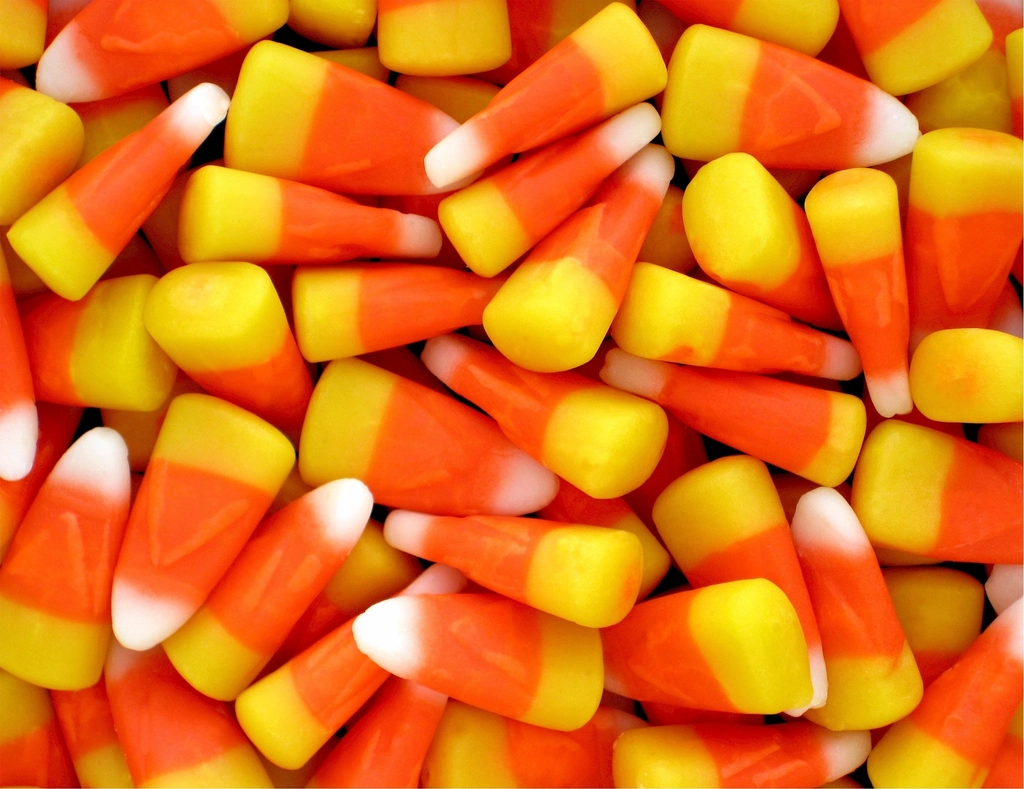
Candy corn may look like tiny ears of corn, but it began as a clever piece of candy history! In the 1880s, candy makers in Philadelphia created the
Homeschool Learning Connection
Candy corn may look like tiny ears of corn, but it began as a clever piece of candy history! In the 1880s, candy makers in Philadelphia created the tri-colored treat when many Americans lived and worked on farms. At the time, corn was an important part of farm life, so the candy’s shape and colors were meant to resemble a kernel. The candy was originally sold as “Chicken Feed,” and its layers were poured by hand. Today, families still debate whether candy corn is a Halloween favorite or a treat to pass along!
Discover More
Could you make candy corn by hand, one color at a time? In the early days, workers poured the candy mixture into molds in layers to create its familiar white, orange, and yellow stripes. Read more about how candy corn was invented, then try drawing a new seasonal candy inspired by a different farm crop. What shape and colors would you choose?
31oct12:00 amNational Caramel Apple Day
Homeschool Learning Connection
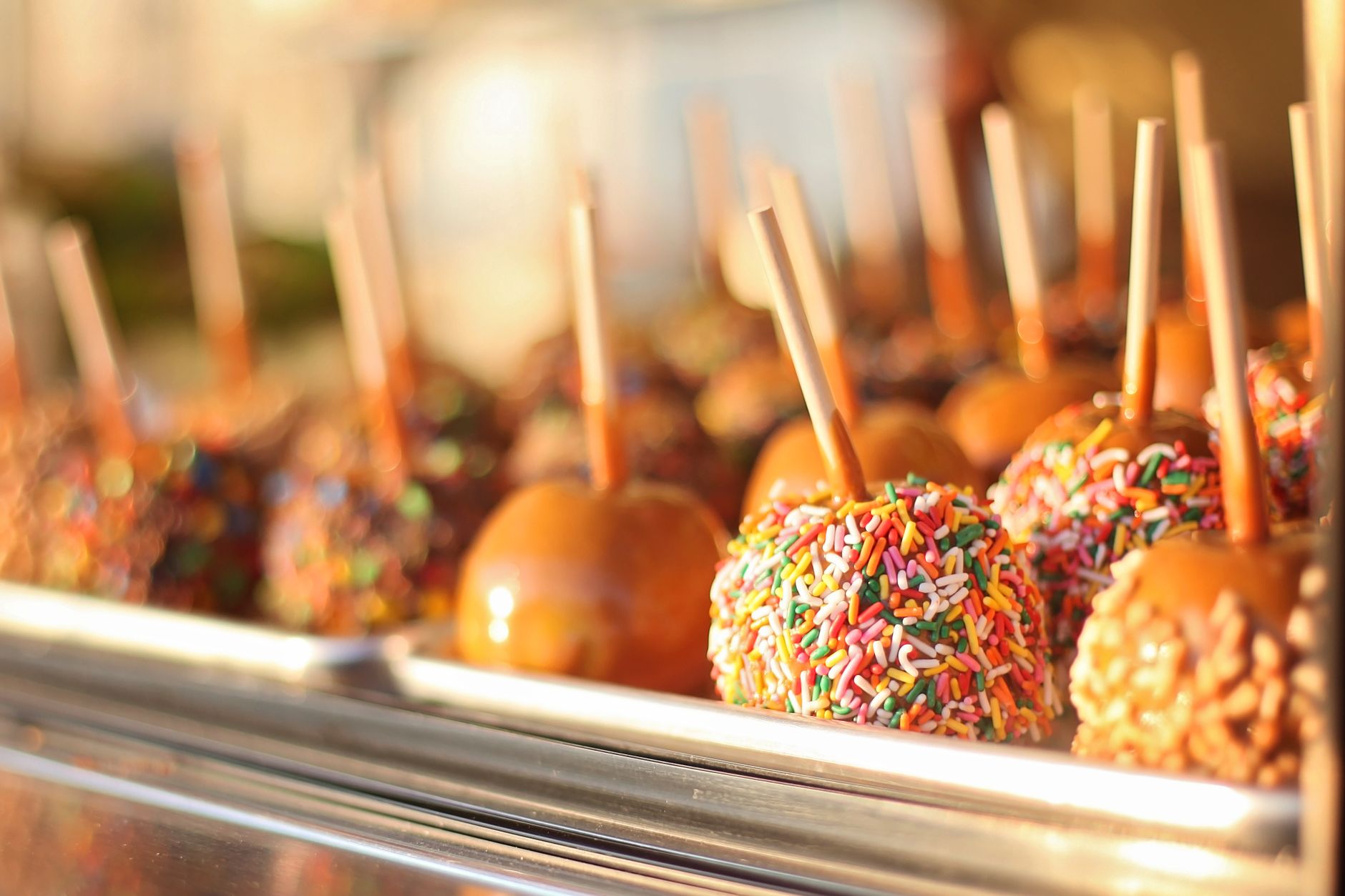
What happens when you combine a crisp fall apple with warm, gooey caramel? A delicious kitchen science experiment! Explore how heating sugar changes its color, flavor, and texture.
Homeschool Learning Connection
What happens when you combine a crisp fall apple with warm, gooey caramel? A delicious kitchen science experiment! Explore how heating sugar changes its color, flavor, and texture. Discover why temperature matters in candy-making, then decorate caramel apples with your favorite toppings. Adult supervision is essential when working with hot sugar.
Discover More
Did you know caramel apples became popular in the 1950s when a Kraft employee experimented with leftover caramel candies? Discover the sweet history of this autumn treat in The History of Caramel and Candy Apples. You might be surprised to learn how candy apples and caramel apples differ!