STEM Themed Days
Discover National Days that make science, technology, engineering, and math part of everyday homeschool learning! From remarkable inventions and mathematical patterns to scientific discoveries and hands-on experiments, STEM-themed celebrations encourage children to investigate, experiment, and solve problems. Explore educational holidays that connect STEM concepts with real-world experiences and inspire curious young thinkers.
november
02nov12:00 pmLook for Circles Day
Homeschool Learning Connection
How many circles can your kids find in just 10 seconds? Ready, set, GO! From clocks and wheels to plates and buttons, circles are hiding everywhere! But
Homeschool Learning Connection
How many circles can your kids find in just 10 seconds? Ready, set, GO! From clocks and wheels to plates and buttons, circles are hiding everywhere! But what about basketballs, oranges, and bubbles? Those are spheres, three-dimensional shapes that are round in every direction. Challenge your kids to hunt for both circles and spheres around the house, then compare what makes them different. Once they start looking, they might be spotting circles all day long!
Discover More
Here’s a little geometry trick your kids can try with a dinner plate! The distance across a circle through its center is called the diameter, and the distance from the center to the edge is the radius. Here’s the fun part: the radius is always exactly half the diameter! Explore the illustrated Math Is Fun radius guide, then grab a ruler and measure a few round objects around the house. Can your kids figure out their radii?
03nov12:00 pmGive Someone a Dollar Day
Homeschool Learning Connection
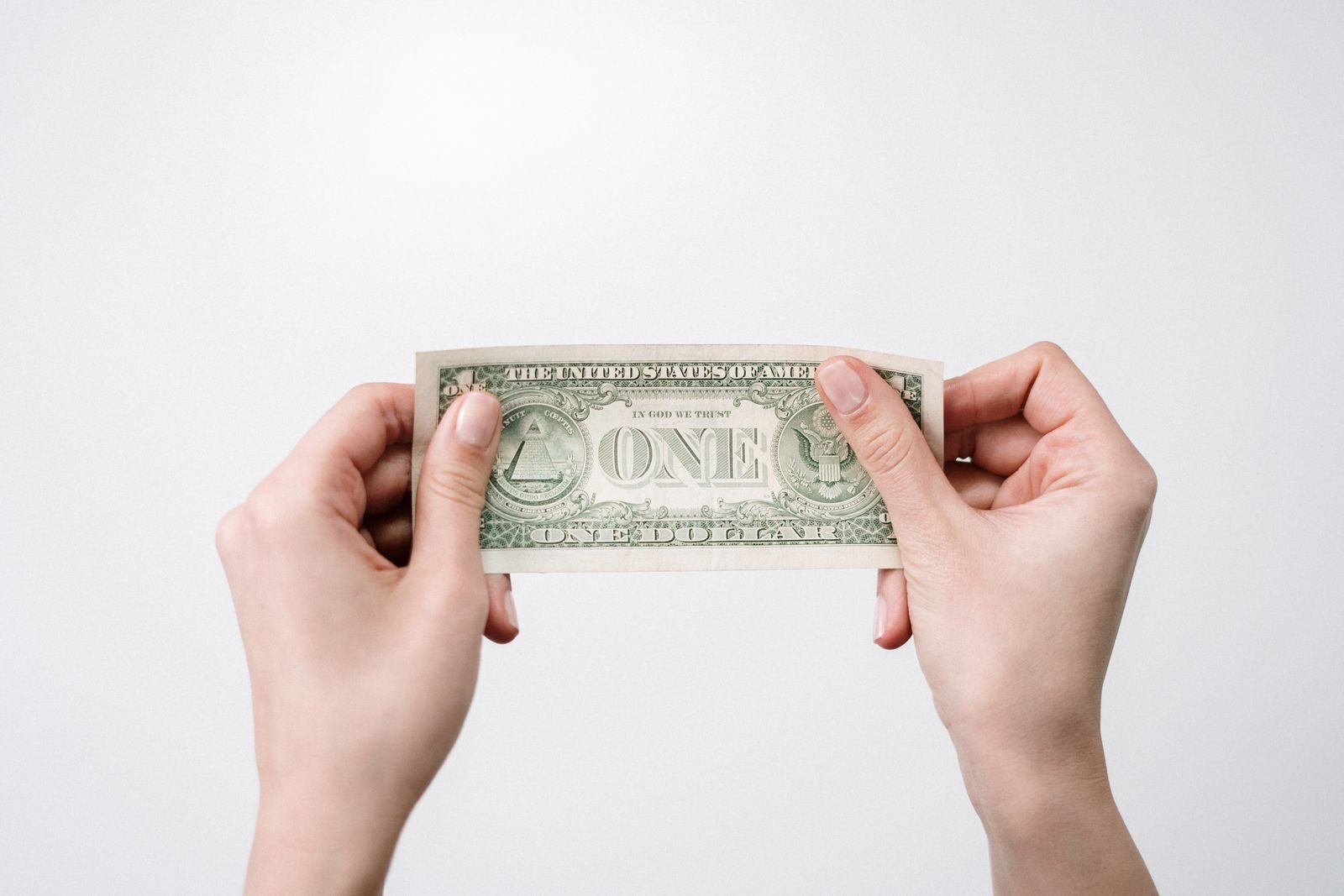
What would your kids do if you handed them a dollar right now? Spend it, save it, or perhaps give it to someone else? A single dollar
Homeschool Learning Connection
What would your kids do if you handed them a dollar right now? Spend it, save it, or perhaps give it to someone else? A single dollar might not seem like much, but it can be the beginning of something bigger! Invite your kids to explore what they could buy for a dollar today, then talk about how saving just one dollar each week would add up to $52 in a year. Would they rather enjoy a small treat now or save toward something special later?
Discover More
What if someone offered to give your kids an extra 25 cents for every dollar they saved? That’s a 25% savings match, and it could help their money grow even faster! Explore the Consumer Financial Protection Bureau’s saving activities for kids, then try a little matching challenge of your own. If your child saves $4 and you contribute 25 cents for every dollar, how much will they have altogether?
05nov12:00 pmNational Love Your Red Hair Day
Homeschool Learning Connection
If Anne Shirley had known there was a whole day dedicated to loving red hair, she might have felt a little differently about those famous red braids!
Homeschool Learning Connection
If Anne Shirley had known there was a whole day dedicated to loving red hair, she might have felt a little differently about those famous red braids! Anyone who’s read Anne of Green Gables knows how desperately Anne wished for a different hair color, even attempting to dye it black with disastrous green results. But did you know naturally red hair is one of the rarest hair colors in the world? Invite your kids to revisit Anne’s hair-color mishap in Chapter 27, then explore the beautiful variety of red shades, from strawberry blonde to deep auburn. Perhaps Anne would have appreciated those fiery locks a little more if she’d known how special they were!
more
Discover More
How can a child have red hair when neither parent does? The secret is in our DNA! Variations in a gene called MC1R influence the pigments that give hair its color, and some can be passed down by parents who aren’t redheads themselves. Explore the science behind those copper-colored locks in Kiddle’s red hair guide, then see how many different shades of red your kids can identify.
08nov12:00 pmNational STEM/STEAM Day ✨
Homeschool Learning Connection
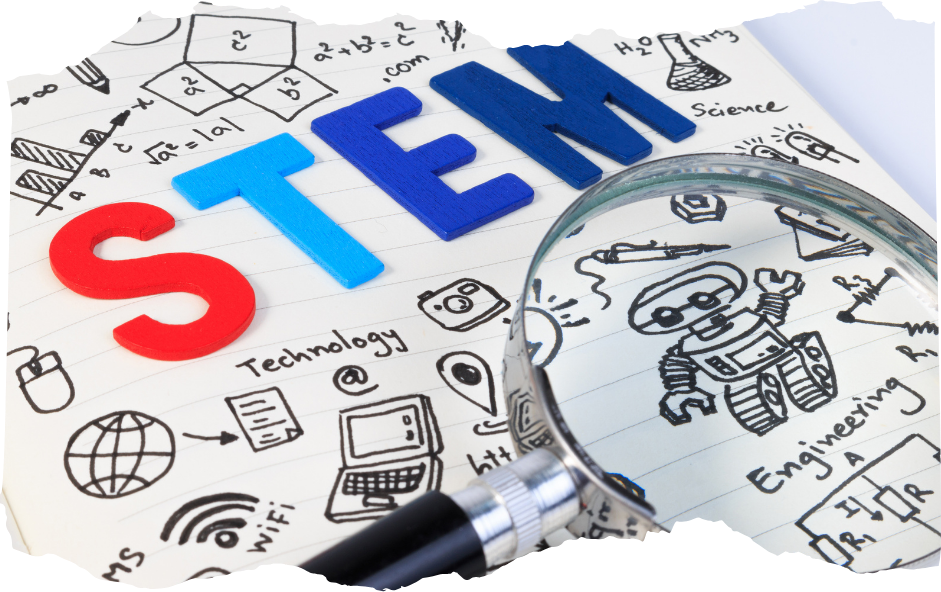
What do a bird's wing, a bridge, and a touchscreen have in common? Each invites us to explore science, technology, engineering, and math... and often art, too! Spot
Homeschool Learning Connection
What do a bird’s wing, a bridge, and a touchscreen have in common? Each invites us to explore science, technology, engineering, and math… and often art, too! Spot a problem around your home, sketch an invention that might solve it, and test how a few creative changes can improve your design.
Homeschool Learning Connection
How can doctors see some structures inside the body without opening it? Discover the story of Wilhelm Roentgen's discovery of X-rays and explore how different materials block different amounts of
Homeschool Learning Connection
How can doctors see some structures inside the body without opening it? Discover the story of Wilhelm Roentgen’s discovery of X-rays and explore how different materials block different amounts of radiation. Investigate how medical imaging helps doctors solve mysteries.
Discover More
An X-ray can show the outline of bones inside a body, even though you cannot see them through skin. Examine pictures of X-rays and how they work. Why do dense bones appear differently from softer tissues? Try sketching a hand and imagining the bones hidden inside.
10nov12:00 pmWorld Science Day
Homeschool Learning Connection
What questions could science help your family answer today? Explore how observation, fair tests, and careful records help people investigate the world. Choose a small everyday mystery, make a prediction,
Homeschool Learning Connection
What questions could science help your family answer today? Explore how observation, fair tests, and careful records help people investigate the world. Choose a small everyday mystery, make a prediction, and plan an experiment with only one variable changed.
Discover More
A fair experiment changes just one thing at a time. Science Buddies gives an example using toy cars on a ramp. See why pushing one car but not the other spoils the comparison, then plan your own fair paper-airplane test.
14nov12:00 pmWorld Diabetes Day
Homeschool Learning Connection
What does the body do with the energy from food? Learn the basics of glucose and insulin and why insulin matters for people with diabetes. Explore how scientists discovered insulin
Homeschool Learning Connection
What does the body do with the energy from food? Learn the basics of glucose and insulin and why insulin matters for people with diabetes. Explore how scientists discovered insulin and how medical research improves lives.
Discover More
Insulin helps glucose move from our blood into the cells that need energy. The CDC guide for families and schools explains how type 1 diabetes affects children and why some people need insulin every day. Use the explanation to discuss how the body uses food for energy, without blaming diabetes on eating sweets.
Homeschool Learning Connection
What if your house had no toilet? That’s one invention your family probably wouldn't want to live without! Turn a few bathroom giggles into questions about how
Homeschool Learning Connection
What if your house had no toilet? That’s one invention your family probably wouldn’t want to live without! Turn a few bathroom giggles into questions about how toilets work, what happens after a flush, and whether toilets look the same around the world. Along the way, introduce why safely managed sanitation matters around the world to help keep communities healthy.
Discover More
Your toilet has a built-in stink stopper! Its curved drain passage holds water that forms a barrier against sewer gases. Explore how toilets work with your children, using the diagrams to follow a flush. Can they spot where water stays behind and explain why an empty bowl wouldn’t be an improvement?
Homeschool Learning Connection
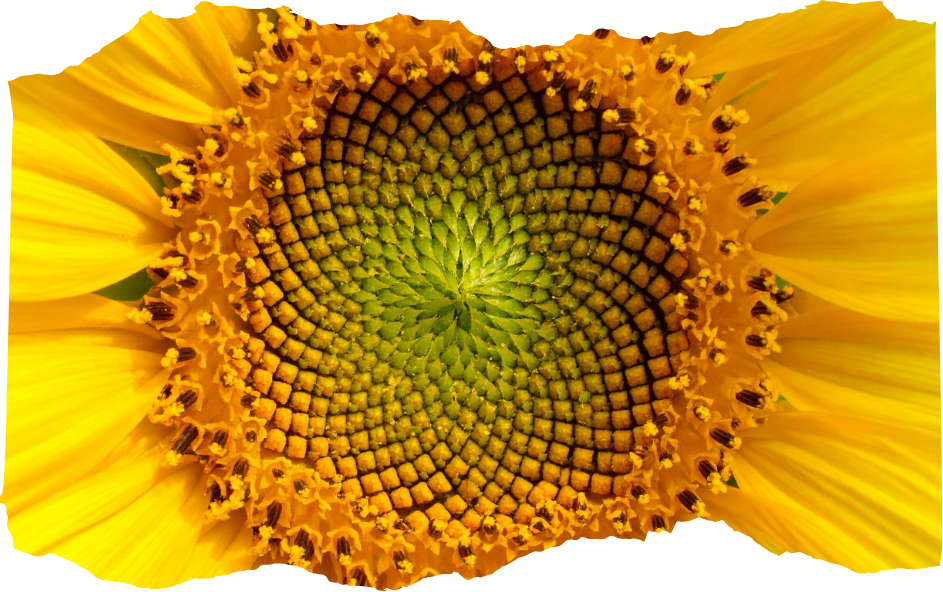
<p>What do the numbers 1, 1, 2, 3, 5, and 8 have to do with sunflowers and poetry? They belong to the Fibonacci sequence, a pattern in which
Homeschool Learning Connection
What do the numbers 1, 1, 2, 3, 5, and 8 have to do with sunflowers and poetry? They belong to the Fibonacci sequence, a pattern in which each new number is the sum of the two before it. Explore number patterns in nature, then write a six-line poem with 1, 1, 2, 3, 5, and 8 words in its lines.
27nov12:00 pmNational Flossing Day
Homeschool Learning Connection
Your toothbrush works hard, but even a good brush can’t reach every little space between your teeth! National Flossing Day turns an everyday bathroom routine into a
Homeschool Learning Connection
Your toothbrush works hard, but even a good brush can’t reach every little space between your teeth! National Flossing Day turns an everyday bathroom routine into a chance to investigate. Invite your kids to imagine cleaning a room where the vacuum won’t fit between the furniture. What tool could reach those tight spots? That’s where floss comes in for teeth. Sometimes the smallest tool has an important job!
Discover More
If you’re brave enough for a little mess, this one could be fun! Delta Dental’s Fab Floss Experiment uses a rubber glove, peanut butter, a toothbrush, and dental floss. The glove’s fingers become pretend teeth, with peanut butter stuck between them. Can the toothbrush clean it all away, or will floss rescue the day? Let your kids predict the winner before putting both tools to work!
december
01dec12:00 pmNational Christmas Lights Day
Homeschool Learning Connection
Is there anything more magical than seeing the first Christmas lights twinkling in December? Those tiny lights are also a wonderful invitation to explore electricity! But how do
Homeschool Learning Connection
Is there anything more magical than seeing the first Christmas lights twinkling in December? Those tiny lights are also a wonderful invitation to explore electricity! But how do they actually work, and who first thought to decorate a Christmas tree with electric lights? Discover the fascinating history and science behind this beloved tradition in DUYW’s National Christmas Lights Day Learning Adventure, filled with reading, writing, and hands-on fun for your homeschool!
06dec12:00 pmNational Microwave Oven Day
Homeschool Learning Connection
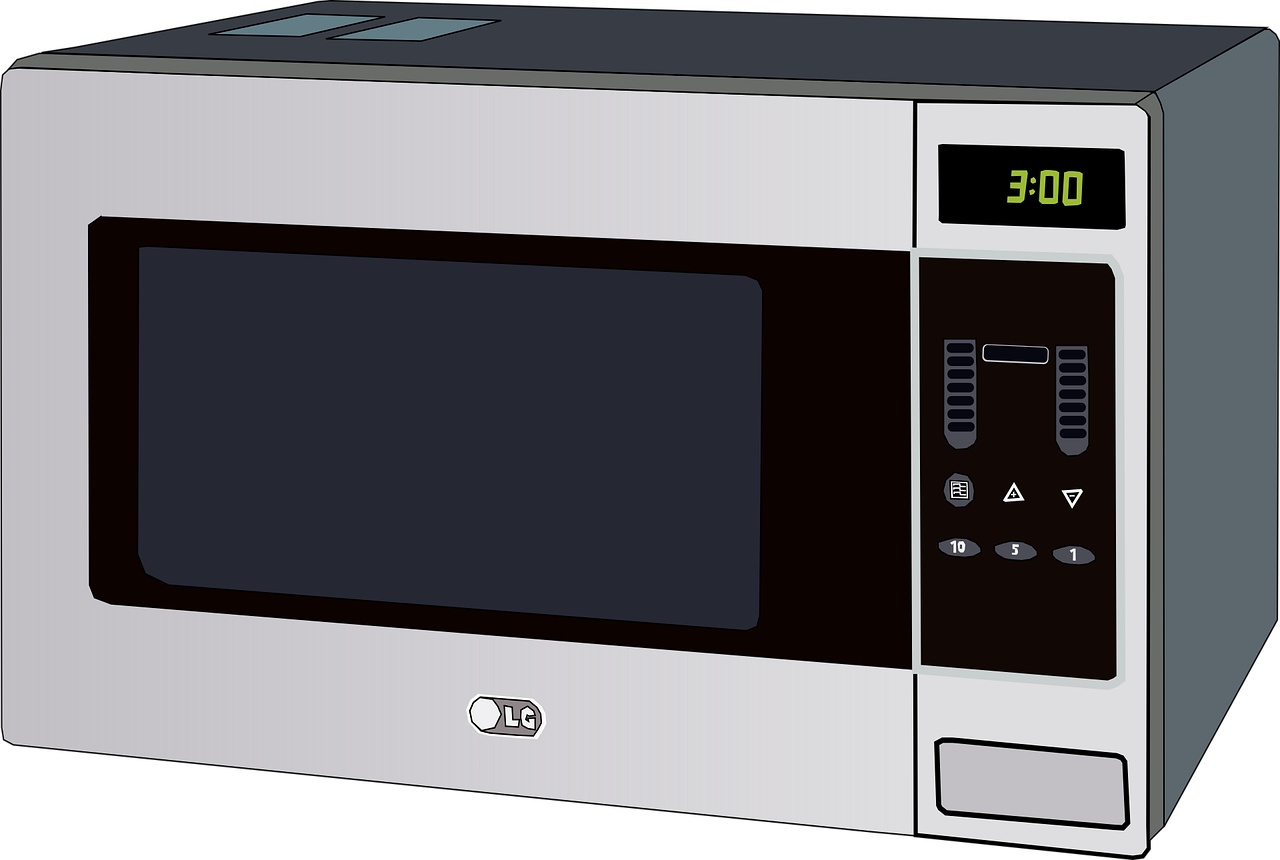
What if one of the handiest inventions in your kitchen was discovered because a scientist's candy bar melted? That's the surprising story behind the microwave oven! In 1945,
Homeschool Learning Connection
What if one of the handiest inventions in your kitchen was discovered because a scientist’s candy bar melted? That’s the surprising story behind the microwave oven! In 1945, engineer Percy Spencer was working with radar equipment when he noticed that the microwaves it produced could heat food. His discovery eventually led to a completely new way of cooking, although those early microwave ovens were enormous, standing about six feet tall! Today, microwaves use electromagnetic energy to heat food quickly and conveniently. Invite your kids to compare your kitchen microwave with a conventional oven. How do they think the two appliances heat food differently?
more
Discover More
Can you imagine needing a six-foot-tall machine just to heat your leftovers? Early commercial microwave ovens were enormous, weighing hundreds of pounds! Take a peek at a fascinating piece of kitchen history with the Smithsonian’s Microwave Oven collection feature, featuring a 1976 model that looks surprisingly different from the microwaves we use today. Then compare its features with your own microwave. Which buttons, controls, or conveniences would have amazed someone cooking dinner fifty years ago?
07dec12:00 pmNational Slime Day

Homeschool Learning Connection
Stretchy, squishy, gooey, and just a little bit gross! If your kids love getting their hands into something wonderfully messy, National Slime Day might be right up their
Homeschool Learning Connection
Stretchy, squishy, gooey, and just a little bit gross! If your kids love getting their hands into something wonderfully messy, National Slime Day might be right up their alley! But did you know there’s some fascinating science hiding inside that handful of goo? Slime gets its stretchy texture from long molecules called polymers, and the way those molecules connect changes how the slime behaves. Celebrate with DUYW’s National Slime Day Learning Adventure, where your kids can make their own slime, investigate the science of polymers, experiment with the strange behavior of oobleck, and discover animals that use slime in the wild. They’ll even get to write a hilarious complaint from the slime’s point of view! After all, how would you feel if someone spent the whole day poking, stretching, and squishing you?
more

Homeschool Learning Connection
Have your kids ever said, "Someone should make an app for that!"? What if they could be the ones to create it? National App Day is a wonderful
Homeschool Learning Connection
Have your kids ever said, “Someone should make an app for that!”? What if they could be the ones to create it? National App Day is a wonderful opportunity to introduce the creativity, problem-solving, and computer science behind the apps we use every day. An app is simply a software program designed to perform particular tasks, whether that’s helping us navigate, learn a language, create art, or play a game. Developers combine design with coding to tell a device how to respond when someone taps a button or chooses an option. Invite your kids to imagine an app that would make something easier, more interesting, or more fun. What would it do, and what would the first screen look like?
more
Discover More
What if your kids could create an app that meows when they tap a picture of a cat? They actually can! MIT’s free App Inventor introduces beginners to app development using colorful blocks that fit together like puzzle pieces. One of its beginner projects, Hello Purr, teaches students to make a simple interactive cat app. Explore the tutorials together, then challenge your kids to dream up their own creation. Perhaps an animal soundboard, a silly guessing game, or a little quiz about their favorite subject? Every great app begins with an idea!
12dec12:00 pmNational Gingerbread House Day
Homeschool Learning Connection
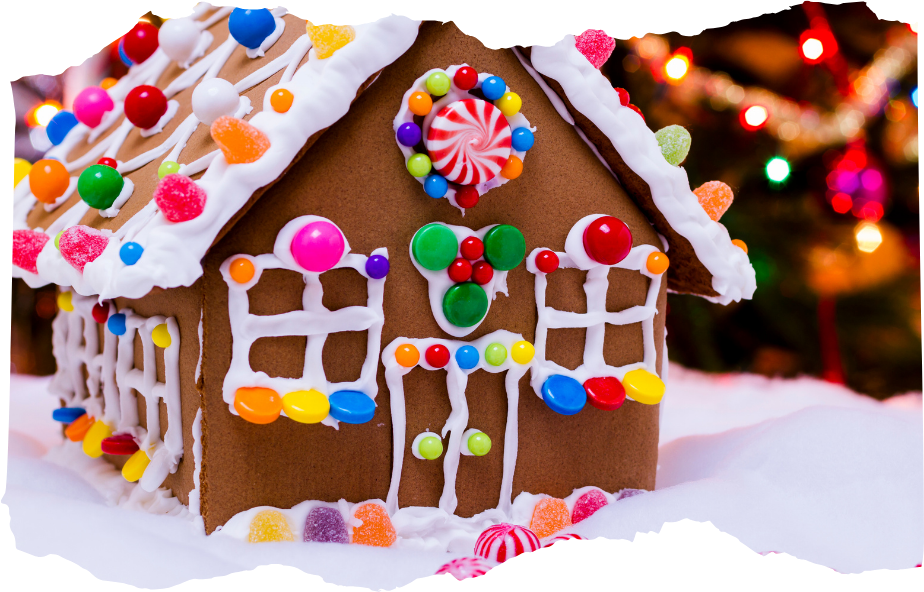
Gumdrops, candy canes, frosting, and a roof that just won't stay put! If your kids have ever tried building a gingerbread house, they may have discovered that a
Homeschool Learning Connection
Gumdrops, candy canes, frosting, and a roof that just won’t stay put! If your kids have ever tried building a gingerbread house, they may have discovered that a little engineering goes a long way. Architects have to think about more than how a building looks. They also consider how its walls, roof, and supports work together to keep it standing. Celebrate National Gingerbread House Day with DUYW’s Gingerbread House Day Learning Adventure, where your kids can become gingerbread architects, design an imaginative candy cottage for a fairy-tale character, and build their own graham cracker creation. They’ll also explore gingerbread traditions from around the world and discover how familiar spices traveled along ancient trade routes to reach our kitchens. Who knew a little house made of cookies could lead to so many delicious discoveries?
more
17dec12:00 pmWright Brothers Day
Homeschool Learning Connection
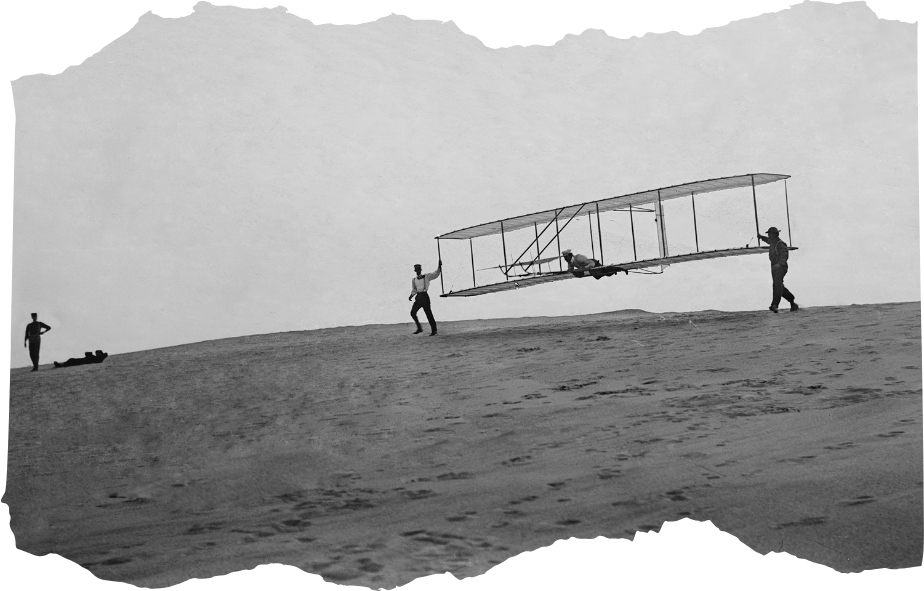
Can you imagine cheering for a flight that lasted just 12 seconds? That's how long Orville Wright stayed in the air during the first successful powered flight on
Homeschool Learning Connection
Can you imagine cheering for a flight that lasted just 12 seconds? That’s how long Orville Wright stayed in the air during the first successful powered flight on December 17, 1903! He and his brother Wilbur had spent years experimenting with gliders, testing wing designs, and figuring out how to control a flying machine. Their persistence paid off on the sandy shores of North Carolina, where that first flight covered just 120 feet. Celebrate Wright Brothers Day with DUYW’s Wright Brothers Day Learning Adventure, where your kids can explore the science of flight, discover why the brothers chose Kitty Hawk, and experiment with their own paper airplane designs. They’ll even get to imagine themselves as test pilots and write a flight log describing what went right, what went wrong, and what they’d improve before the next takeoff!
more
18dec12:00 pmNational Twin Day
Homeschool Learning Connection
Have your kids ever wondered why some twins look almost exactly alike while others look as different as any two siblings? National Twin Day is a fun opportunity
Homeschool Learning Connection
Have your kids ever wondered why some twins look almost exactly alike while others look as different as any two siblings? National Twin Day is a fun opportunity to explore a little genetics and discover what makes twins so fascinating. Identical twins, called monozygotic twins, develop when one fertilized egg splits into two embryos, giving them nearly identical DNA. Fraternal twins, or dizygotic twins, develop from two separate fertilized eggs and share about half their DNA, just like other siblings. Invite your kids to compare the two types and see if they can remember the difference using the prefixes mono- (one) and di- (two). Two tiny words that reveal a whole lot about how twins begin!
more
Discover More
Here’s a surprising twist: even identical twins don’t have identical fingerprints! Although they share nearly the same DNA, tiny differences in how their fingers develop before birth create unique patterns of loops, whorls, and arches. Explore the science behind these one-of-a-kind patterns with Science News Explores’ fascinating look at fingerprints. Then grab a magnifying glass and examine your family’s fingertips. Can your kids identify loops, whorls, or arches? Do any family members have similar patterns?
21dec12:00 pmNational Flashlight Day

Homeschool Learning Connection
Have your kids ever tried making shadow puppets on the wall with a flashlight? That simple little game is actually full of fascinating science! Light travels in straight
Homeschool Learning Connection
Have your kids ever tried making shadow puppets on the wall with a flashlight? That simple little game is actually full of fascinating science! Light travels in straight lines until it interacts with something in its path. Some materials block light and create shadows, while others let it pass through or reflect it in a new direction. And here’s a fun bit of history: the first battery-powered flashlights appeared in the late 1890s, when portable electric lighting was still a remarkable invention! Grab a flashlight, dim the lights, and invite your kids to experiment with shadows, reflections, and different materials. What happens when they move the flashlight closer to an object or shine it onto a mirror?
more
Discover More
Can you make a beam of light turn a corner without moving the flashlight? With a few strategically placed mirrors, you can! Light bounces off smooth, reflective surfaces, changing direction depending on the angle at which it strikes them. Put your kids’ problem-solving skills to the test with Science Buddies’ Mirror Maze Challenge. They’ll use flashlights and mirrors to guide a beam of light through a maze toward a target. Can they make it bounce around two corners? How about three? It’s a wonderful little engineering challenge for a dark December afternoon!
30dec12:00 pmNational Bicarbonate of Soda Day
Homeschool Learning Connection
A little white powder that makes cookies rise, freshens the refrigerator, and can even create a miniature volcano? Baking soda might be one of the hardest-working ingredients in
Homeschool Learning Connection
A little white powder that makes cookies rise, freshens the refrigerator, and can even create a miniature volcano? Baking soda might be one of the hardest-working ingredients in your kitchen! But have your kids ever wondered where it comes from? Some baking soda is extracted from natural deposits of a mineral called nahcolite, found underground in places like Colorado. Other baking soda is manufactured through chemical processes using materials such as salt and limestone, or made by processing naturally mined minerals. Either way, the finished sodium bicarbonate is the same chemical compound! Grab a box from your pantry and see how many different uses your kids can discover for this surprisingly versatile substance.
more
Discover More
Can you inflate a balloon without blowing a single puff of air into it? With a little baking soda, vinegar, and some kitchen chemistry, you can! When the two ingredients react, they release carbon dioxide gas that can fill a balloon right before your eyes. Follow Science Buddies’ balloon experiment to try it together. Then compare your science-powered balloon with one inflated by mouth. Which one falls faster when dropped, and why?
october

Homeschool Learning Connection
The pencils, scissors, and glue sticks on your homeschool table all had a busy life before they reached you! Manufacturing Day is a chance to wonder together about
Homeschool Learning Connection
The pencils, scissors, and glue sticks on your homeschool table all had a busy life before they reached you! Manufacturing Day is a chance to wonder together about how everyday things are made. Invite your kids to choose an object and look closely at its parts. What materials went into it, and how might they have been put together? Their guesses can open a conversation about inventors, factory workers, and the machines that help turn ideas into things we use.
Discover More
How do they get the middle inside a wooden pencil? Hand your kids a pencil to examine, then ask for their best guesses before watching this quick look at how pencils are made. Afterward, chat about which step surprised them most. That ordinary pencil might look a little more impressive the next time you pull it out for a lesson!
07oct12:00 amNational LED Light Day
Homeschool Learning Connection
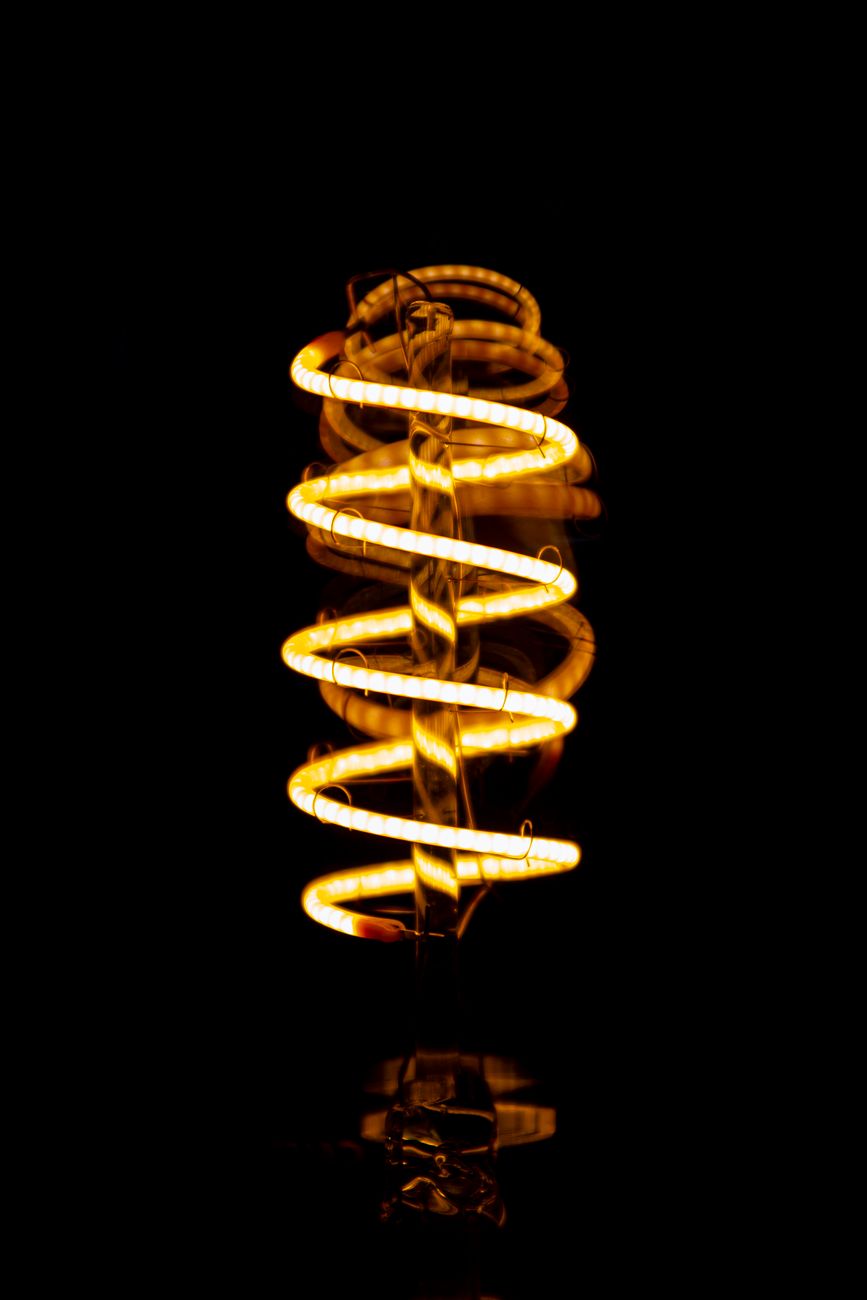
What makes an LED different from an older light bulb? Compare how lights produce illumination, how much energy they use, and where LEDs appear in everyday devices, from
Homeschool Learning Connection
What makes an LED different from an older light bulb? Compare how lights produce illumination, how much energy they use, and where LEDs appear in everyday devices, from flashlights to traffic signals.
Discover More
What if you could make a tiny light glow? Learn how LEDs work in a simple electrical circuit with Science Buddies’ LED Stickies activity. With adult help and careful handling of small batteries, create a glowing magnet and see science light up!
09oct12:00 amFire Prevention Day

Homeschool Learning Connection
What can your family do to help prevent a house fire? Learn why smoke alarms, clear exits, and a practiced escape plan matter. Draw a simple map of
Homeschool Learning Connection
What can your family do to help prevent a house fire? Learn why smoke alarms, clear exits, and a practiced escape plan matter. Draw a simple map of your home and identify two ways out of each room when possible.
Discover More
Could you escape your home safely if a smoke alarm sounded? Explore Sparky the Fire Dog's safety activities for kid-friendly games and fire-safety activities, then practice a family escape plan together.
10oct12:00 amNational Metric Day
Homeschool Learning Connection
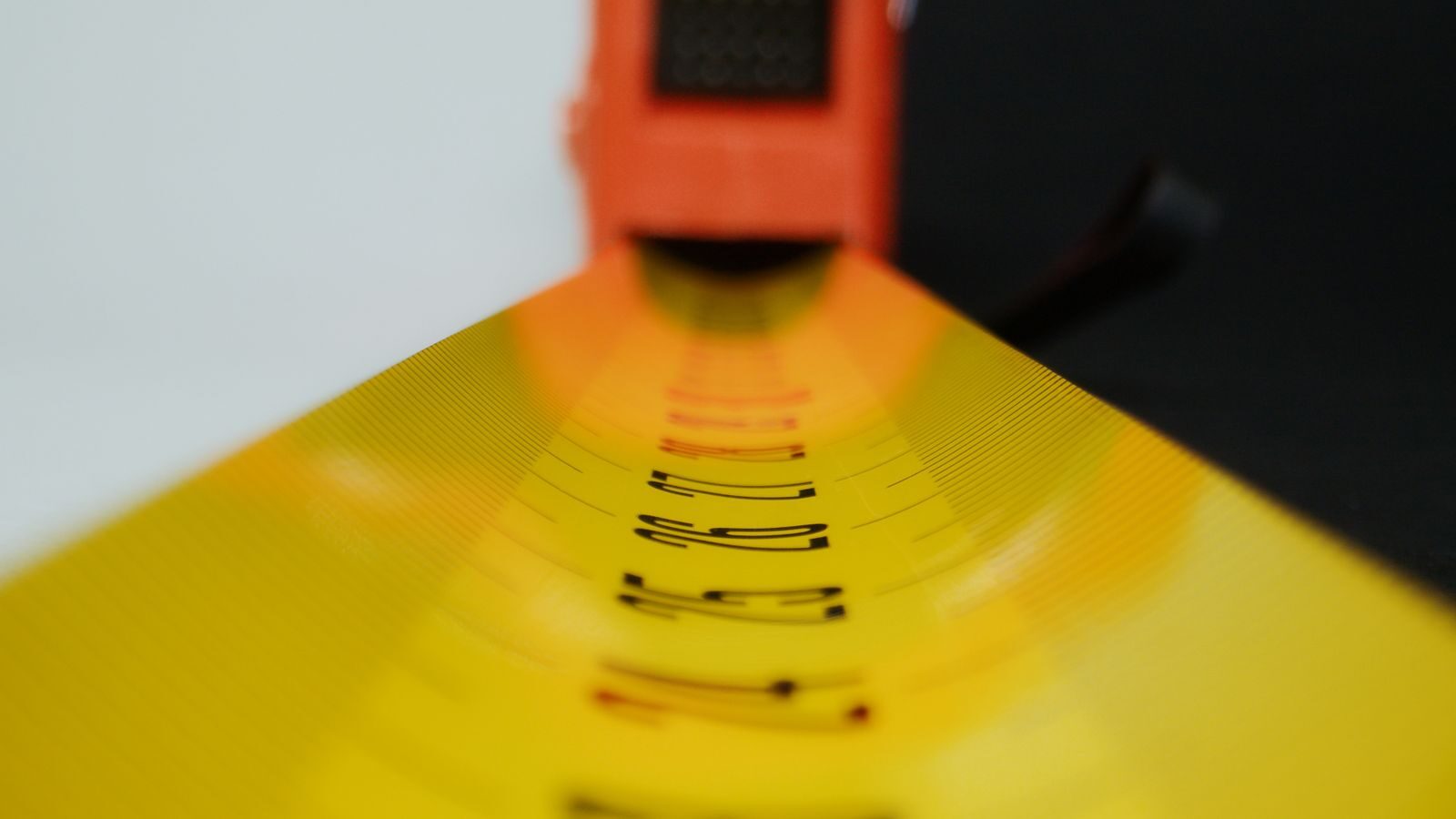
How long is a meter? How heavy is a kilogram? The metric system is used around the world, and you probably encounter it more often than you realize!
Homeschool Learning Connection
How long is a meter? How heavy is a kilogram? The metric system is used around the world, and you probably encounter it more often than you realize! Go on a metric scavenger hunt around your home, looking for measurements on food packages, drink bottles, rulers, and everyday objects. Make a few estimates, then grab a ruler, measuring cup, or kitchen scale to see how close you came!
Discover More
Can you guess how many centimeters long a pencil is or how many grams a baseball weighs? Put your estimation skills to the test with NIST’s Metric Estimation Game! This free, hands-on activity challenges families to make their best guesses, measure everyday objects, and discover just how useful the metric system can be.
Homeschool Learning Connection
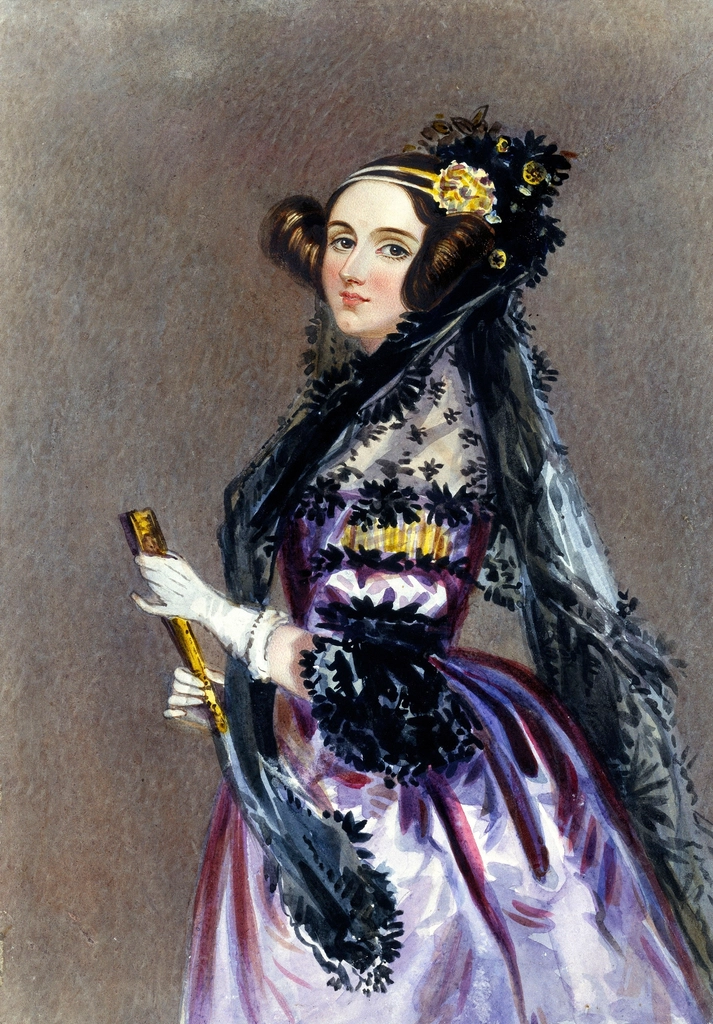
Meet Ada Lovelace, a mathematician who imagined what a computing machine could do long before modern computers existed. Explore algorithms by writing step-by-step instructions for a friend to
Homeschool Learning Connection
Meet Ada Lovelace, a mathematician who imagined what a computing machine could do long before modern computers existed. Explore algorithms by writing step-by-step instructions for a friend to follow, then test whether every instruction is clear.
Discover More
Did you know Ada Lovelace imagined that computers might one day create music, not just solve math problems? Her ideas were far ahead of her time! Explore her remarkable story with the Computer History Museum.
14oct12:00 amNational Fossil Day ✨
Homeschool Learning Connection
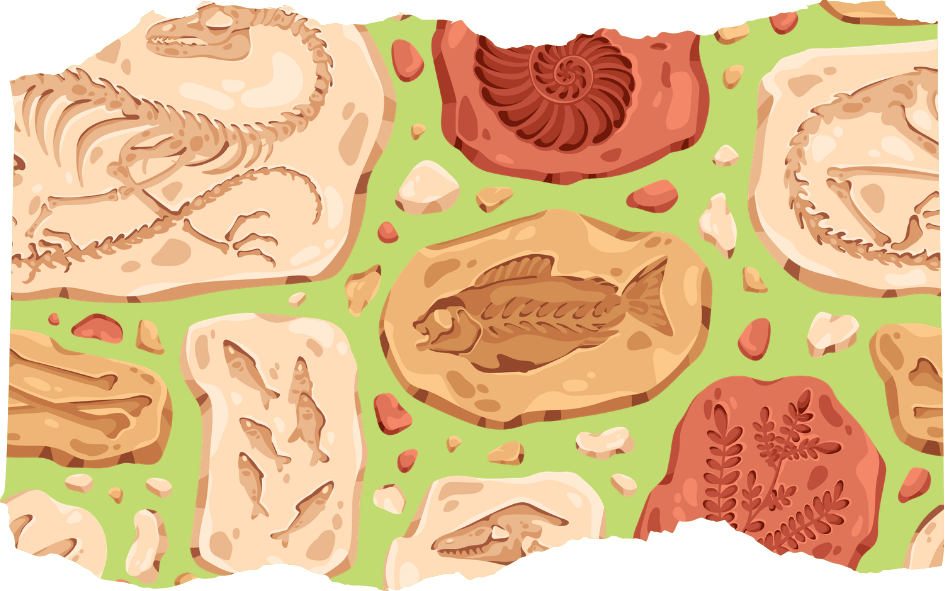
Fossils are clues to worlds that existed long before us. Explore how scientists use preserved remains and traces to piece together the story of prehistoric life.
Homeschool Learning Connection
Fossils are clues to worlds that existed long before us. Explore how scientists use preserved remains and traces to piece together the story of prehistoric life.
18oct12:00 amNational Exascale Day

Homeschool Learning Connection
How big is a quintillion? Imagine a 1 followed by 18 zeros! That's roughly how many calculations an exascale supercomputer can perform in just one second. Explore how
Homeschool Learning Connection
How big is a quintillion? Imagine a 1 followed by 18 zeros! That’s roughly how many calculations an exascale supercomputer can perform in just one second. Explore how scientists use these incredibly powerful machines to predict weather, study distant galaxies, and investigate medical mysteries. Then challenge your family to write out a quintillion and count all those zeros!
Discover More
Why is Exascale Day celebrated on October 18? Because 10/18 looks like \(10^{18}\), the mathematical notation for one quintillion! To imagine that incredible speed, consider this: in just one second, a supercomputer can complete a calculation that would take everyone on Earth nearly five years to perform by hand. Discover these amazing machines in the U.S. Department of Energy’s Launching a New Class of U.S. Supercomputing.
23oct12:00 amNational Mole Day
Homeschool Learning Connection
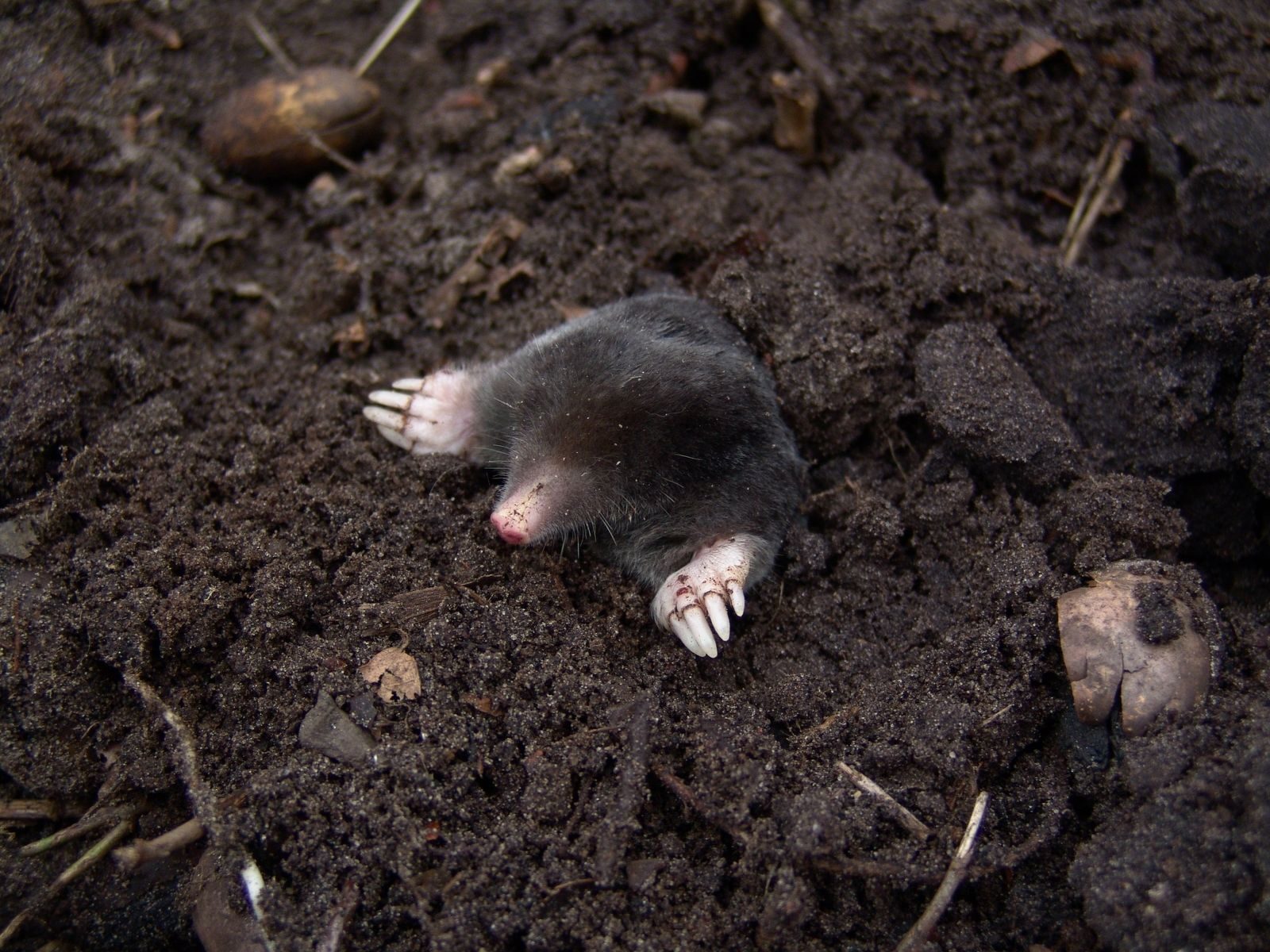
Not that kind of mole! In chemistry, a mole isn't a furry animal but a way of counting incredibly tiny particles. Just as a dozen means 12, a
Homeschool Learning Connection
Not that kind of mole! In chemistry, a mole isn’t a furry animal but a way of counting incredibly tiny particles. Just as a dozen means 12, a mole means approximately 602 sextillion! We’re talking about a number with 24 digits! Imagine trying to count that many grains of sand, one at a time. No wonder scientists needed a special way to count things so tiny! Challenge your kids to write out Avogadro’s number in full digits, then imagine what a mole of everyday objects might look like. That’s a whole lot of anything!
Discover More
Why is Mole Day celebrated on October 23, from 6:02 a.m. to 6:02 p.m.? It’s a clever nod to Avogadro’s number, 6.02 × 10²³! Celebrate with the American Chemical Society’s Mole Day Resources, featuring puzzles, videos, demonstrations, and even chemistry jokes.
Can your family find a mole joke that makes everyone groan? Here’s one of our favorites:
Q: What did Avogadro teach his students in math class?
A: Mole-tiplication!

Homeschool Learning Connection
Coding is a way of giving precise instructions to a computer. Try a simple block-coding challenge or write an everyday algorithm someone else could follow.
Homeschool Learning Connection
Coding is a way of giving precise instructions to a computer. Try a simple block-coding challenge or write an everyday algorithm someone else could follow.
Discover More
💻 Try a Little Coding: Coding is a language of logic, creativity, and problem-solving. Explore UNESCO’s World Coding Day page to discover why learning to code matters in an AI-powered world.