Game-Themed Days
Learning and play go hand in hand! Explore game-themed National Days that celebrate board games, puzzles, video games, and classic family favorites. These playful holidays offer opportunities to practice strategic thinking, problem-solving, logic, and teamwork while discovering the history and creativity behind familiar games. Find inspiration for making educational games part of your homeschool day.
november
06nov12:00 pmNational Basketball Day

Homeschool Learning Connection
Can you imagine playing basketball without dribbling the ball? That's exactly how the game began! In 1891, a physical education teacher named James Naismith invented basketball to
Homeschool Learning Connection
Can you imagine playing basketball without dribbling the ball? That’s exactly how the game began! In 1891, a physical education teacher named James Naismith invented basketball to keep his students active during the cold Massachusetts winter. Using a soccer ball, two peach baskets, and just 13 rules, he created a game that would eventually become popular around the world. Invite your kids to try a little basketball challenge without dribbling. Is it harder than they expected?
Discover More
Did you know the first basketball hoops were actual peach baskets, complete with bottoms? Every time someone scored, the ball had to be retrieved before the game could continue! Take a peek at Smithsonian Magazine’s fascinating story of basketball’s invention, including photographs of James Naismith with the original equipment. Ask your kids which of the original rules they’d want to change first.
19nov12:00 pmNational Play Monopoly Day ✨
Homeschool Learning Connection
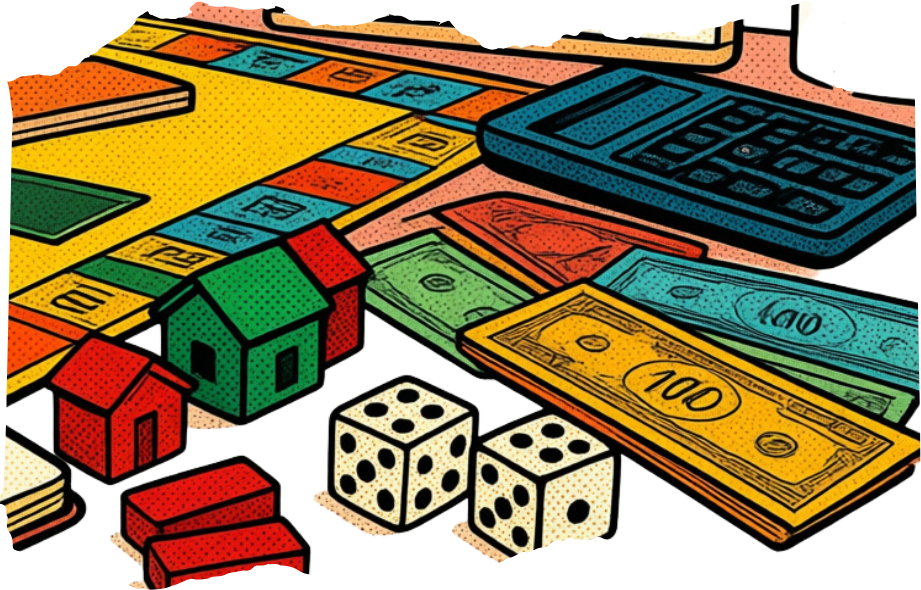
<p>What could a board game teach you about money, probability, and even secret wartime maps? Discover the surprising story of Monopoly, from Lizzie Magie's early game to special
Homeschool Learning Connection
What could a board game teach you about money, probability, and even secret wartime maps? Discover the surprising story of Monopoly, from Lizzie Magie’s early game to special sets used during World War II. Then roll two dice, record your totals, and investigate which number turns up most often!
december
01dec12:00 pmWorld Trick Shot Day
Homeschool Learning Connection
World Trick Shot Day was created by the Harlem Globetrotters, a basketball team famous for combining athletic skill with entertaining tricks. How many tries would it take to
Homeschool Learning Connection
World Trick Shot Day was created by the Harlem Globetrotters, a basketball team famous for combining athletic skill with entertaining tricks. How many tries would it take to bounce a ball off the wall and land it perfectly in a basket? Today is a terrific excuse to find out! Behind those incredible basketball shots are some fascinating scientific ideas, including gravity, angles, force, and momentum.
Discover More
If your kids love a good trick shot, chances are they’ve heard of Dude Perfect! Their jaw-dropping basketball shots, creative challenges, and seemingly impossible stunts are a fun way to see physics in action. Watch a few favorites from Dude Perfect’s Trick Shot Playlist, then challenge your kids to create their own! Experiment with angles, distance, and force to see what makes a successful shot. How many attempts will it take to land the perfect one?
04dec12:00 pmNational Dice Day
Homeschool Learning Connection
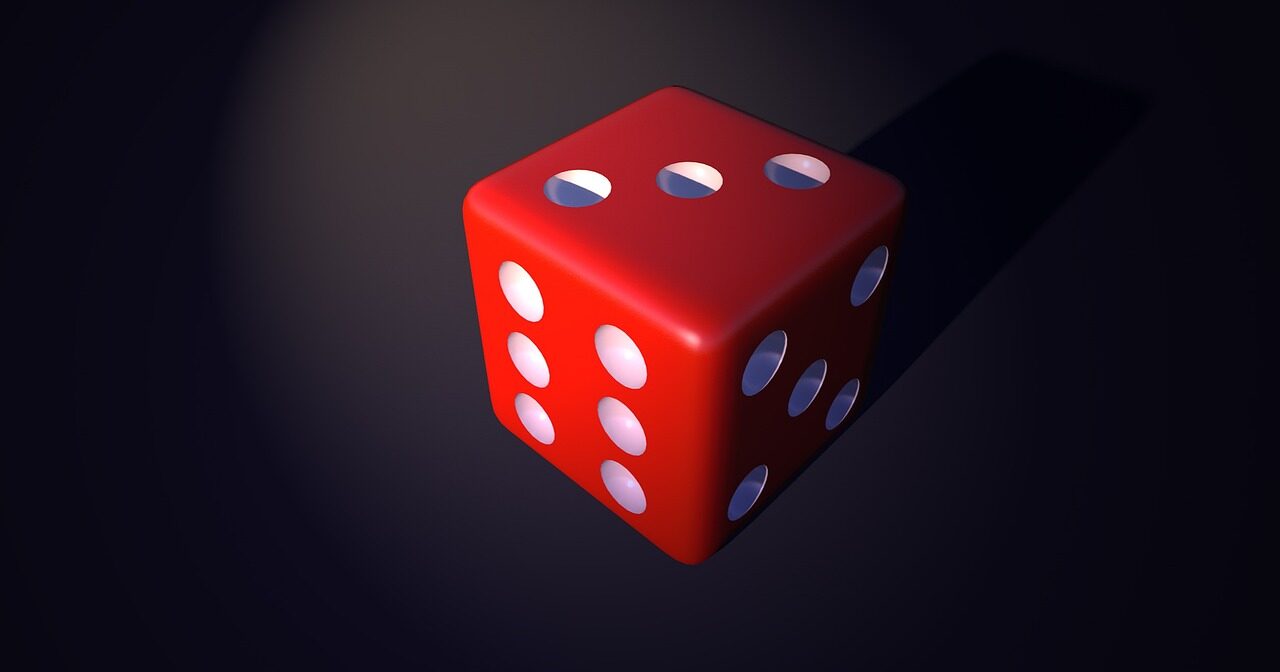
A little shake, a roll across the table, and suddenly everyone's holding their breath! Dice have been making games exciting for thousands of years, but they're also wonderful
Homeschool Learning Connection
A little shake, a roll across the table, and suddenly everyone’s holding their breath! Dice have been making games exciting for thousands of years, but they’re also wonderful little tools for exploring mathematics. When you roll a fair six-sided die, each number has an equal chance of appearing, but that doesn’t mean you’ll roll every number equally often in a short game. That’s where probability, the mathematics of chance, comes in! Grab a die and let your kids predict which number will appear most often in 30 rolls. Keep a tally together and see how the results compare with their predictions. Will the numbers even out, or will one seem unusually lucky?
more
Discover More
Here’s a little mystery for your young mathematicians: when you roll two dice, why does a total of seven appear more often than a total of two? There are actually six different combinations that make seven, but only one that makes two! Explore this surprising bit of probability with Cambridge University’s NRICH collection of Dice and Probability Challenges. Try A Bit of a Dicey Problem, then grab two dice and test your predictions. Which total will appear most often after 50 rolls?
21dec12:00 pmWorld Basketball Day

Homeschool Learning Connection
A soccer ball, two peach baskets, and a gym full of restless students. Believe it or not, that's how basketball began! In December 1891, Canadian teacher James Naismith
Homeschool Learning Connection
A soccer ball, two peach baskets, and a gym full of restless students. Believe it or not, that’s how basketball began! In December 1891, Canadian teacher James Naismith was challenged to invent an indoor game that would keep his students active during the cold Massachusetts winter. He came up with 13 rules, nailed two peach baskets ten feet above the gym floor, and basketball was born! The very first game was played on December 21, which is why we celebrate World Basketball Day on this date.
Discover More
Can you imagine playing basketball without dribbling? In the original game, players weren’t allowed to run with the ball, and someone had to retrieve it from the peach basket after every successful shot! Discover how basketball evolved from a simple winter activity into a worldwide sport in the NBA’s James Naismith and the Invention of Basketball. Then challenge your kids to play a short game using some of Naismith’s original rules. Is basketball easier or harder without dribbling?
28dec12:00 pmNational Card Playing Day
Homeschool Learning Connection
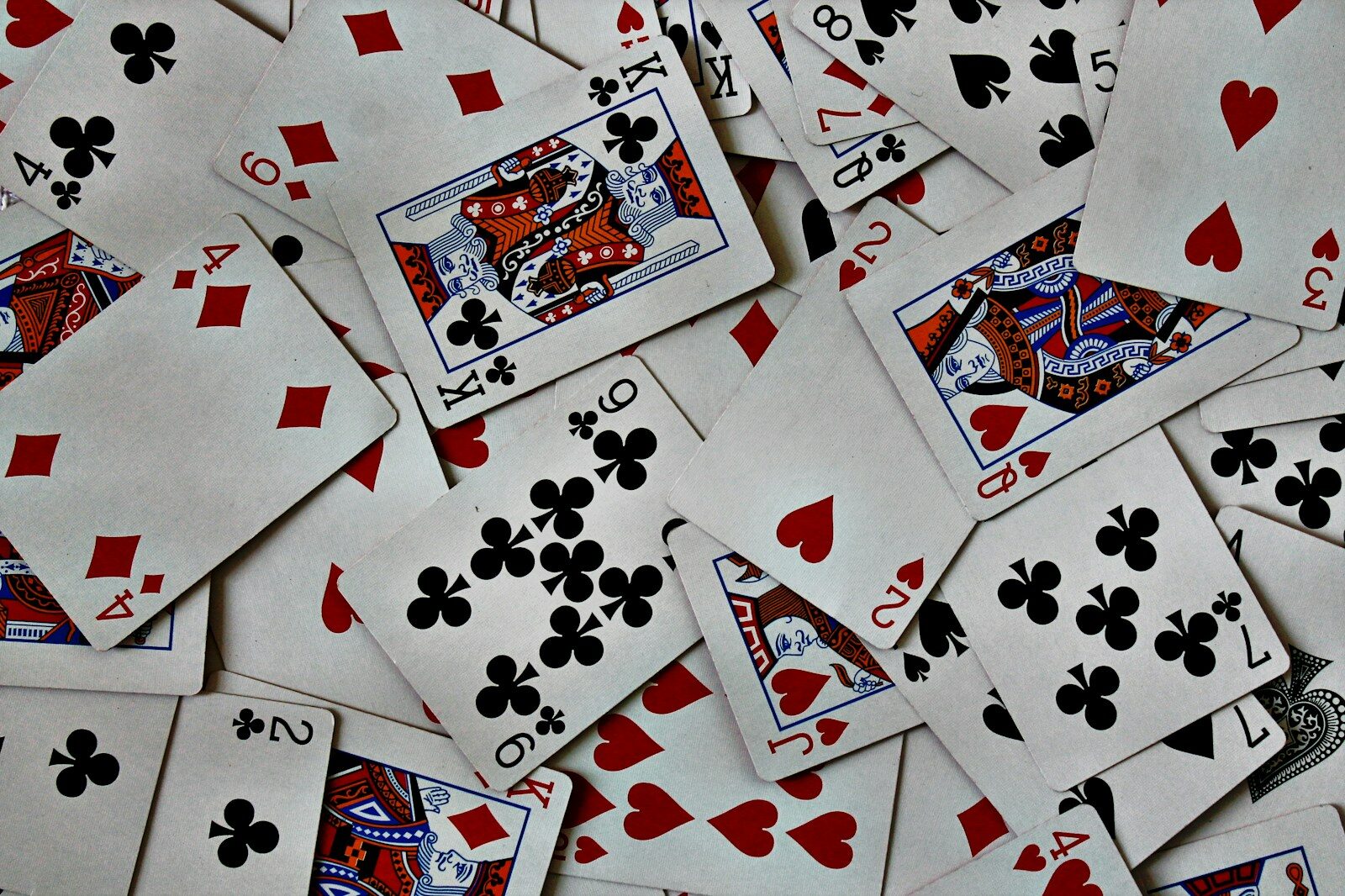
Go Fish, Crazy Eights, Rummy... does your family have a favorite card game? National Card Playing Day is a wonderful excuse to gather around the table and enjoy
Homeschool Learning Connection
Go Fish, Crazy Eights, Rummy… does your family have a favorite card game? National Card Playing Day is a wonderful excuse to gather around the table and enjoy a little friendly competition! But did you know that playing cards have been around for more than a thousand years? Some of the earliest known card games appeared in China during the ninth century, long before the familiar hearts, diamonds, clubs, and spades became popular in Europe. Today, an ordinary deck of 52 cards can be used for hundreds of different games that encourage strategy, memory, mental math, and problem-solving. Break out a deck and teach your kids an old family favorite, or let them invent a game of their own. What rules would they create?
more
Discover More
What if an ordinary deck of cards could turn into a fun little math challenge? Cambridge University’s NRICH project has a collection of card games that put mathematical thinking to work, including one called Stop or Dare. Players take turns drawing cards and adding their values, trying to earn as many points as possible. But there’s a catch! Draw an Ace or King, and you lose all the points from that turn! The trick is knowing when to stop. Grab a deck and give it a try with your family. Will your kids play it safe or take a chance on one more card?
january

Homeschool Learning Connection
When was the last time your family worked on a jigsaw puzzle together? Puzzle Day is the perfect excuse to clear off the table, pull out a
Homeschool Learning Connection
When was the last time your family worked on a jigsaw puzzle together? Puzzle Day is the perfect excuse to clear off the table, pull out a favorite puzzle, and enjoy a little screen-free fun! Whether you’re tackling 100 pieces or 1,000, working together encourages patience, problem-solving, and teamwork. Put on an audiobook, make some hot cocoa, and see how much you can finish together!
Discover More
Did you know the first jigsaw puzzles were actually made to teach geography? In the 1760s, English mapmaker John Spilsbury mounted maps onto wood and cut them into pieces so children could practice putting countries back in their proper places. Why not try a geography puzzle of your own? You might be surprised how much everyone learns while searching for that one missing piece!
Homeschool Learning Connection
What if you started your day with dessert, wore your shirt backwards, or said goodbye instead of hello? Backwards Day is a fun excuse to turn ordinary
Homeschool Learning Connection
What if you started your day with dessert, wore your shirt backwards, or said goodbye instead of hello? Backwards Day is a fun excuse to turn ordinary routines upside down! Challenge your kids to write their names backwards, read a sentence from right to left, or invent a silly backwards-day schedule. What would happen if you did everything in reverse?
Discover More
Did you know some words are exactly the same forwards and backwards? They’re called palindromes! Words like racecar, level, and kayak read the same in either direction. Even entire sentences can be palindromes, like “Was it a rat I saw?” Challenge your kids to discover five palindrome words, then see if they can create a palindrome sentence of their own!
october
13oct12:00 amNational Train Your Brain Day

Homeschool Learning Connection
Ready to give your brain a challenge? Test your memory, sharpen your reasoning, and explore creative problem-solving with puzzles, riddles, and brain teasers! Challenge your family to solve
Homeschool Learning Connection
Ready to give your brain a challenge? Test your memory, sharpen your reasoning, and explore creative problem-solving with puzzles, riddles, and brain teasers! Challenge your family to solve a logic puzzle, memorize a pattern, or invent a tricky riddle. Sometimes the most interesting discoveries happen when you try a different approach!
Discover More
Think you’ve got what it takes to solve a brain-bending puzzle? Put your problem-solving skills to the test with BrainBashers’ Daily Puzzles! Explore logic challenges, number games, word puzzles, and visual brain teasers. Choose an easy one to start, then see if your family can work together to tackle something trickier!