Nature-Themed Days
Take your homeschool learning outdoors with nature-themed National Days! Discover celebrations inspired by forests, oceans, plants, weather, and the natural world. Whether you’re observing seasonal changes, exploring ecosystems, or investigating an everyday wonder, these special days encourage nature study, scientific curiosity, and outdoor exploration. Find simple ways to help children notice and appreciate the world around them.
november
05nov12:00 pmWorld Tsunami Awareness Day
Homeschool Learning Connection
Imagine standing on a beach when the ocean suddenly begins to pull away from the shore. Where is all that water going? A tsunami is a series
Homeschool Learning Connection
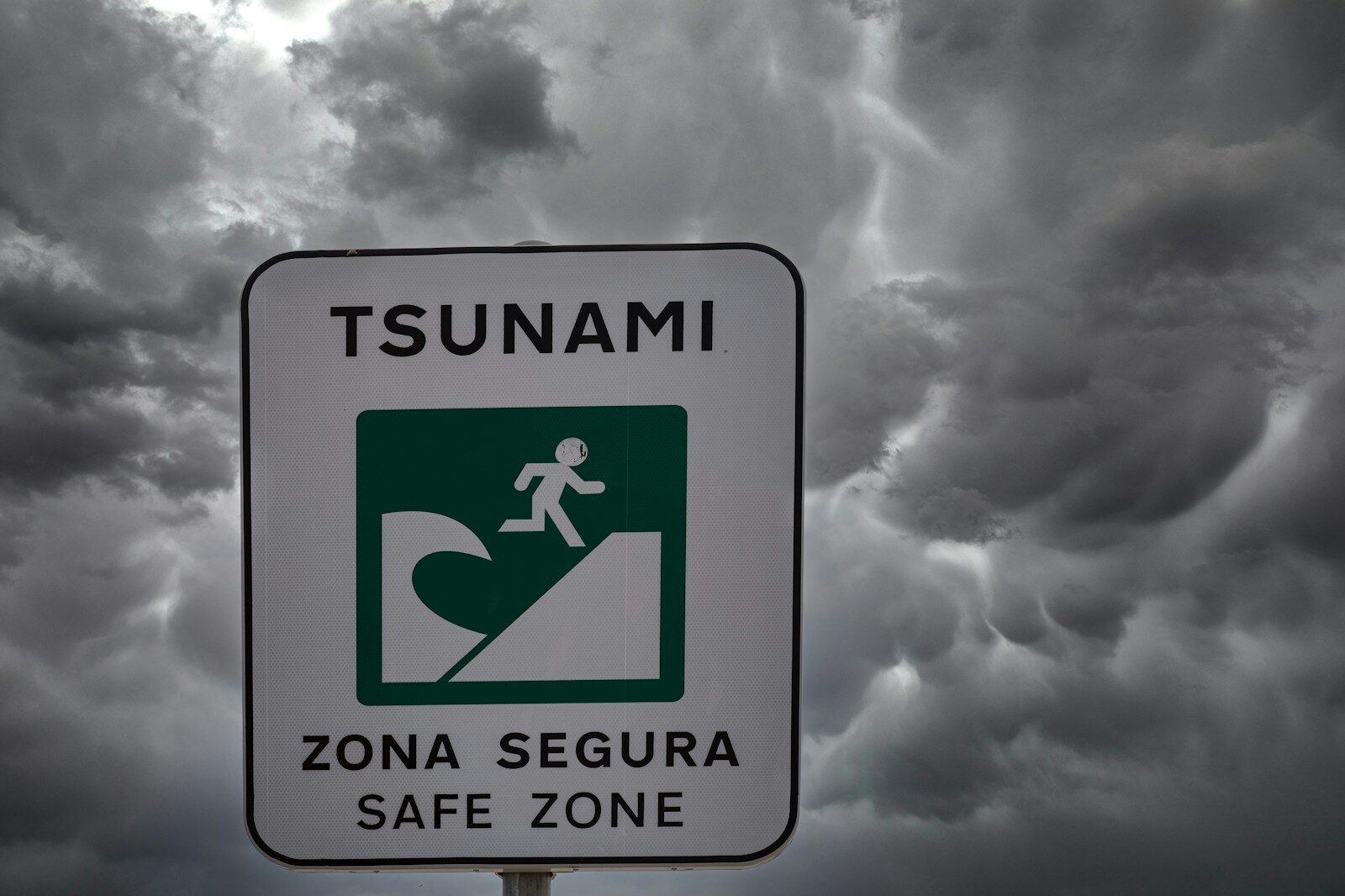
Imagine standing on a beach when the ocean suddenly begins to pull away from the shore. Where is all that water going? A tsunami is a series of powerful ocean waves, often triggered when an underwater earthquake suddenly moves a huge amount of water. Unlike ordinary beach waves, tsunami waves can travel across entire oceans and become especially dangerous as they reach shallow coastal waters. Invite your kids to explore a map of the Pacific Ocean and discover why communities along its shores take tsunami preparedness so seriously. What would they want to know if they lived near the ocean?
more
Discover More
Did you know the ocean can sometimes warn you that a tsunami is coming? Strong or long earthquake shaking, an unusual roar from the sea, or water suddenly rising or retreating can all be natural warning signs. Explore the National Weather Service’s tsunami safety guide together and learn why heading to higher ground or farther inland immediately, without waiting for an official warning, can save lives. See if your kids can remember all three warning signs!
15nov12:00 pmAmerica Recycles Day
Homeschool Learning Connection
What happens to a plastic bottle after it leaves your recycling bin? Explore how materials such as aluminum, glass, paper, and plastic are collected and processed. Conduct a family waste
Homeschool Learning Connection
What happens to a plastic bottle after it leaves your recycling bin? Explore how materials such as aluminum, glass, paper, and plastic are collected and processed. Conduct a family waste audit and find one realistic way to reduce what you throw away.
Discover More
Could you rescue a town buried in trash? Become the mayor in the EPA’s Dumptown recycling game and watch how each decision impacts the town.
17nov12:00 pmNational Take a Hike Day ✨
Homeschool Learning Connection
<p>Can a trail tell a story? Head outside and pay attention to the sounds, textures, and surprises along your route. Then give nature a voice using <em>personification</em>: perhaps
Homeschool Learning Connection
Can a trail tell a story? Head outside and pay attention to the sounds, textures, and surprises along your route. Then give nature a voice using personification: perhaps the trees whisper, the creek laughs, or the wind races ahead of you. Where will your story lead?
21nov12:00 pmWorld Fisheries Day
Homeschool Learning Connection
We often see fish only when it’s neatly packaged at the grocery store, but there is a whole world of adventure behind every single catch. Celebrate World Fisheries Day with
Homeschool Learning Connection
We often see fish only when it’s neatly packaged at the grocery store, but there is a whole world of adventure behind every single catch. Celebrate World Fisheries Day with your kids by exploring the incredible journey from the ocean to the dinner plate! It’s the perfect opportunity to dive into marine food webs, meet the amazing people working on our oceans and rivers, and discover how clean water and healthy habitats keep our oceans thriving.
Discover More
Could your children point out a wild Alaska pollock or an Acadian redfish in the wild? Head over to NOAA’s Sustainable Seafood Profiles to find out! It’s an incredible, free resource where your family can explore the differences between wild-caught and farm-raised seafood. Have your kids pick one species they recognize, look up its profile, and trace its amazing journey from the deep blue sea right to your kitchen table.
23nov12:00 pmNational Cashew Day
Homeschool Learning Connection
Your kids may recognize a cashew in a bowl of trail mix, but would they recognize one growing on a tree? That familiar curved snack is actually
Homeschool Learning Connection
Your kids may recognize a cashew in a bowl of trail mix, but would they recognize one growing on a tree? That familiar curved snack is actually a seed tucked inside a shell that hangs beneath a colorful cashew apple! National Cashew Day is a fun excuse to explore where our food comes from. Find a tropical cashew-growing region on a map and compare its climate with the place your family calls home.
Discover More
You can crack open peanuts, walnuts, and pistachios, so why do cashews always arrive without their shells? Let your kids take a guess before watching why cashews aren’t sold in their shells. The surprising culprit is an irritating oil in the shell! That little snack has quite a journey to make before it’s ready for your bowl.
december
04dec12:00 pmWildlife Conservation Day
Homeschool Learning Connection
What would happen if elephants disappeared from Africa or sea turtles vanished from our oceans? Your kids might be surprised to discover just how much other wildlife depends
Homeschool Learning Connection
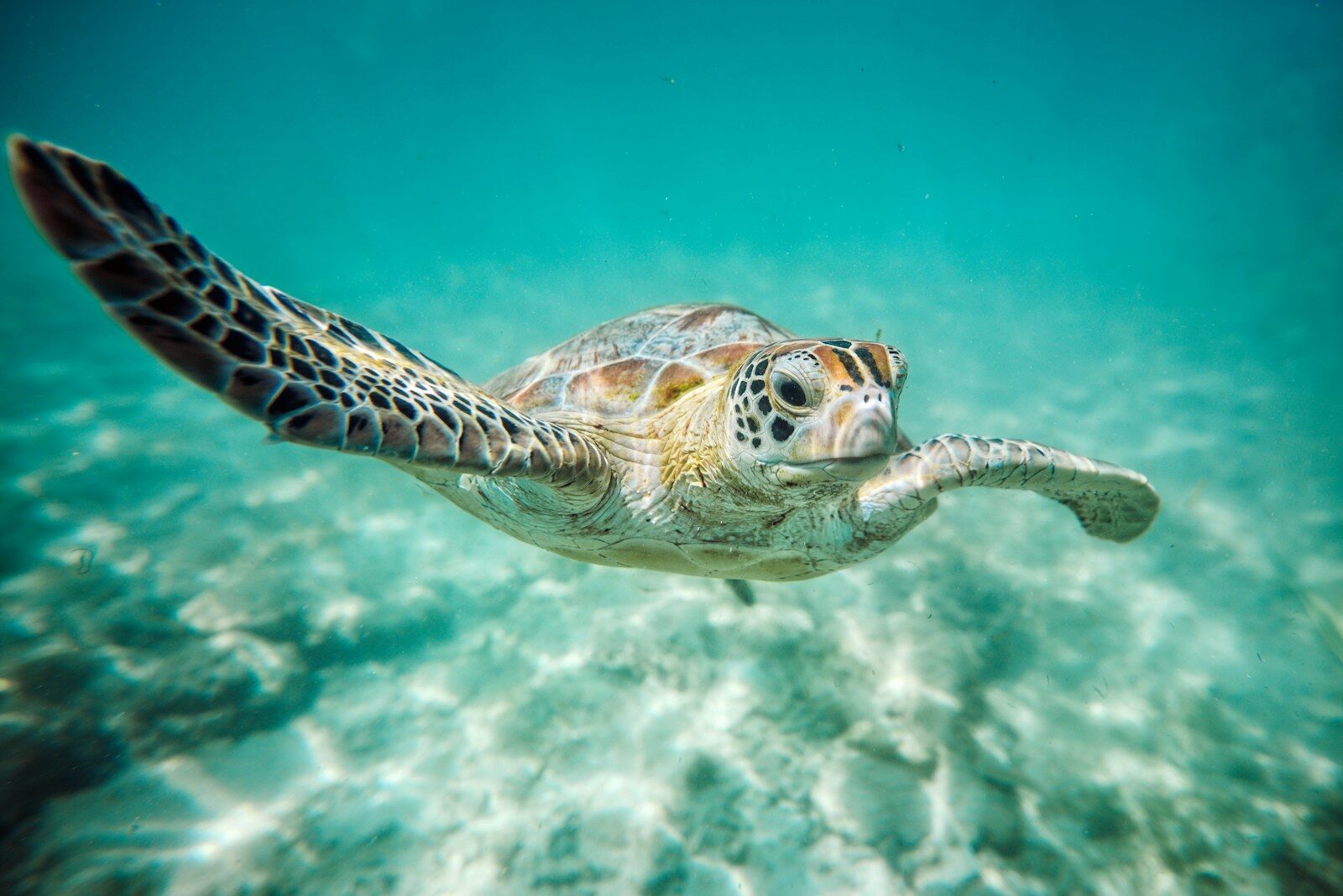
What would happen if elephants disappeared from Africa or sea turtles vanished from our oceans? Your kids might be surprised to discover just how much other wildlife depends on them! Animals play important roles in their ecosystems, from spreading seeds and controlling populations to helping maintain healthy habitats. Wildlife Conservation Day reminds us why protecting animals also means protecting the places they call home. Scientists and conservationists work around the world to study endangered species, restore habitats, and protect wildlife from threats like poaching and habitat loss. Invite your kids to choose an animal they love and investigate its role in nature. What other living things might be affected if that animal disappeared?
more
Discover More
How do scientists study shy or endangered animals without disturbing them? Sometimes they use hidden cameras called camera traps that automatically snap photographs when wildlife passes by! These clever devices reveal which animals live in an area, where they travel, and even what they do when nobody’s watching. Explore National Geographic’s A Glimpse into the Wild to discover how camera traps work and how everyday people can help scientists identify the animals they photograph. Then challenge your kids to become wildlife researchers! Where would they place a camera trap to discover the animals visiting your own backyard?
Homeschool Learning Connection
What if you told your kids there could be more living organisms in a single tablespoon of soil than there are people on Earth? It's true! Beneath our
Homeschool Learning Connection
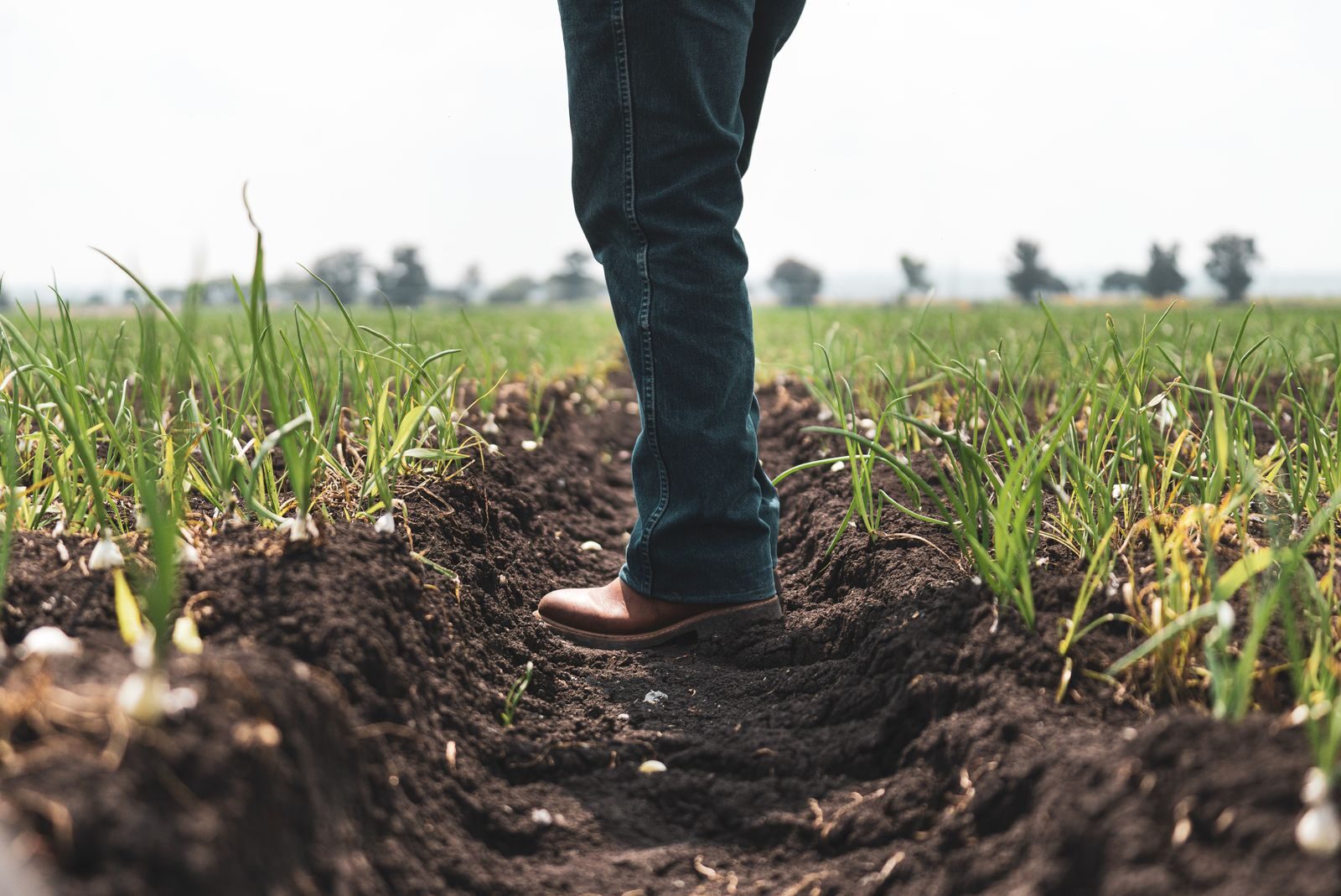
What if you told your kids there could be more living organisms in a single tablespoon of soil than there are people on Earth? It’s true! Beneath our feet is an extraordinary world filled with bacteria, fungi, earthworms, and countless other tiny organisms that help keep soil healthy. These hardworking decomposers break down dead plants and other organic material, returning nutrients to the soil so new plants can grow. In fact, approximately 95% of the world’s food depends on soil in some way! Grab a handful of soil from your yard and invite your kids to investigate it with a magnifying glass. Can they spot any signs of the incredible ecosystem hiding right beneath their feet?
more
Discover More
Did you know that a jar of muddy water can reveal some surprising secrets about your soil? Soil contains a mixture of particles, including sand, silt, and clay, and each behaves a little differently in water. With California Farmland Trust’s What’s the Dirt on Soil? experiment, your kids can collect a soil sample, shake it with water in a clear jar, and watch the different particles settle into layers. Let the jar sit overnight, then take a closer look. Which layer is the thickest, and what might that tell you about the soil in your backyard?
12dec12:00 pmNational Poinsettia Day
Homeschool Learning Connection
Have your kids ever wondered why poinsettias turn such a beautiful shade of red just in time for Christmas? Here's a surprise: those bright red parts aren't actually
Homeschool Learning Connection
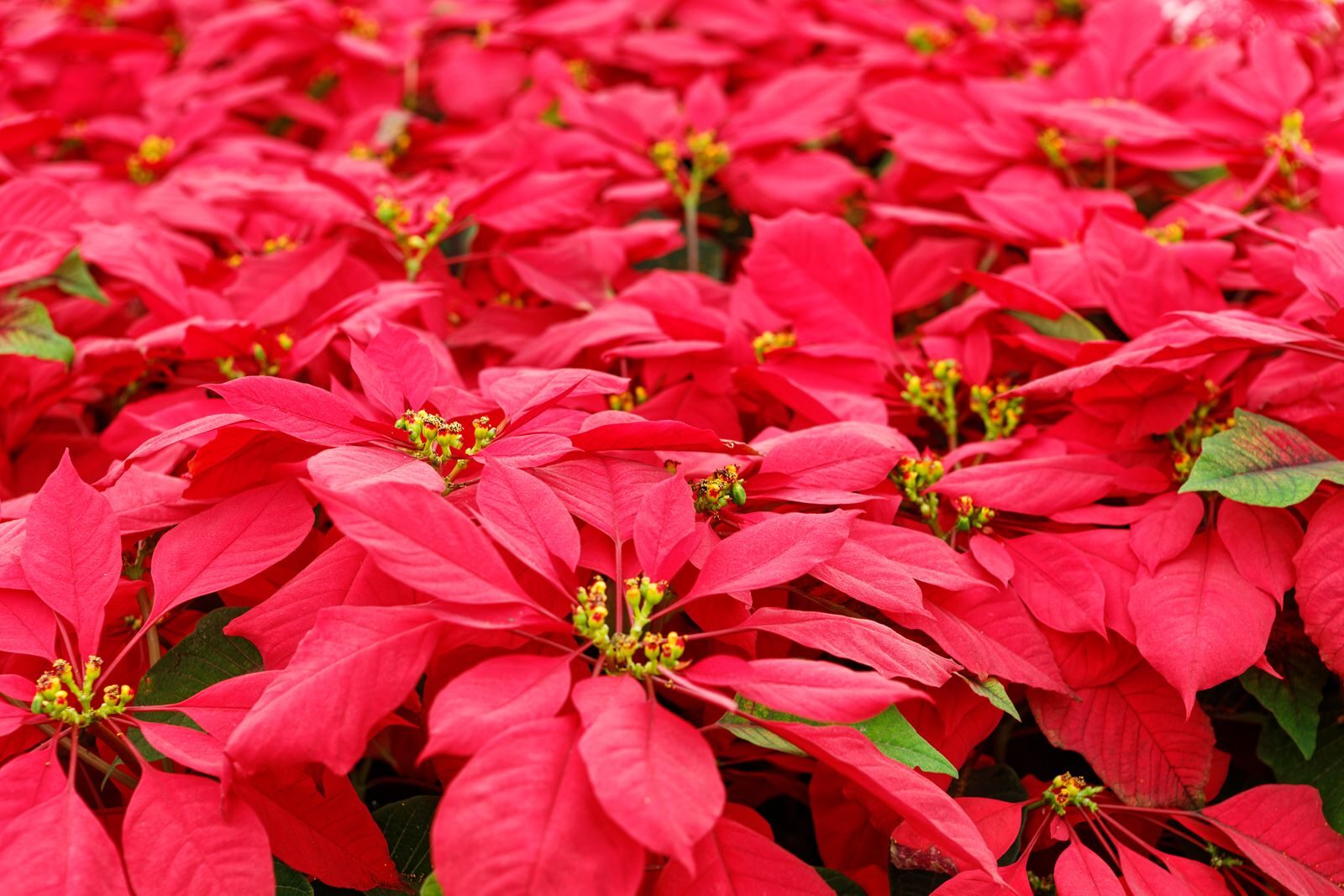
Have your kids ever wondered why poinsettias turn such a beautiful shade of red just in time for Christmas? Here’s a surprise: those bright red parts aren’t actually flowers at all! They’re modified leaves called bracts, and the real flowers are the tiny yellow clusters tucked into the center. Native to Mexico, poinsettias respond to the longer periods of darkness that come with shorter winter days, gradually developing their brilliant colors. And red isn’t their only option! You can find poinsettias in shades of pink, cream, white, and even beautiful speckled combinations. Next time you spot one, invite your kids to take a closer look. Can they find the real flowers hiding among those colorful leaves?
more
Discover More
Did you know the poinsettia was a Christmas favorite in Mexico long before it became a familiar holiday decoration in American homes? Known as Flor de Nochebuena, or Flower of Christmas Eve, this beautiful plant has been part of Mexican traditions for centuries. In the 1820s, American diplomat Joel Roberts Poinsett introduced it to the United States, where it eventually took his name. Discover the fascinating journey of this Christmas favorite in the Library of Congress’s Poinsettia: How a U.S. Diplomat Made a Mexican Flower an International Favorite. Then find Mexico on a map and imagine seeing poinsettias growing as large outdoor shrubs instead of little potted plants!
15dec12:00 pmNational Wear Your Pearls Day
Homeschool Learning Connection
Have your kids ever wondered how a beautiful, shimmering pearl forms inside an oyster? Unlike diamonds or emeralds that form through geological processes, pearls are created by living
Homeschool Learning Connection
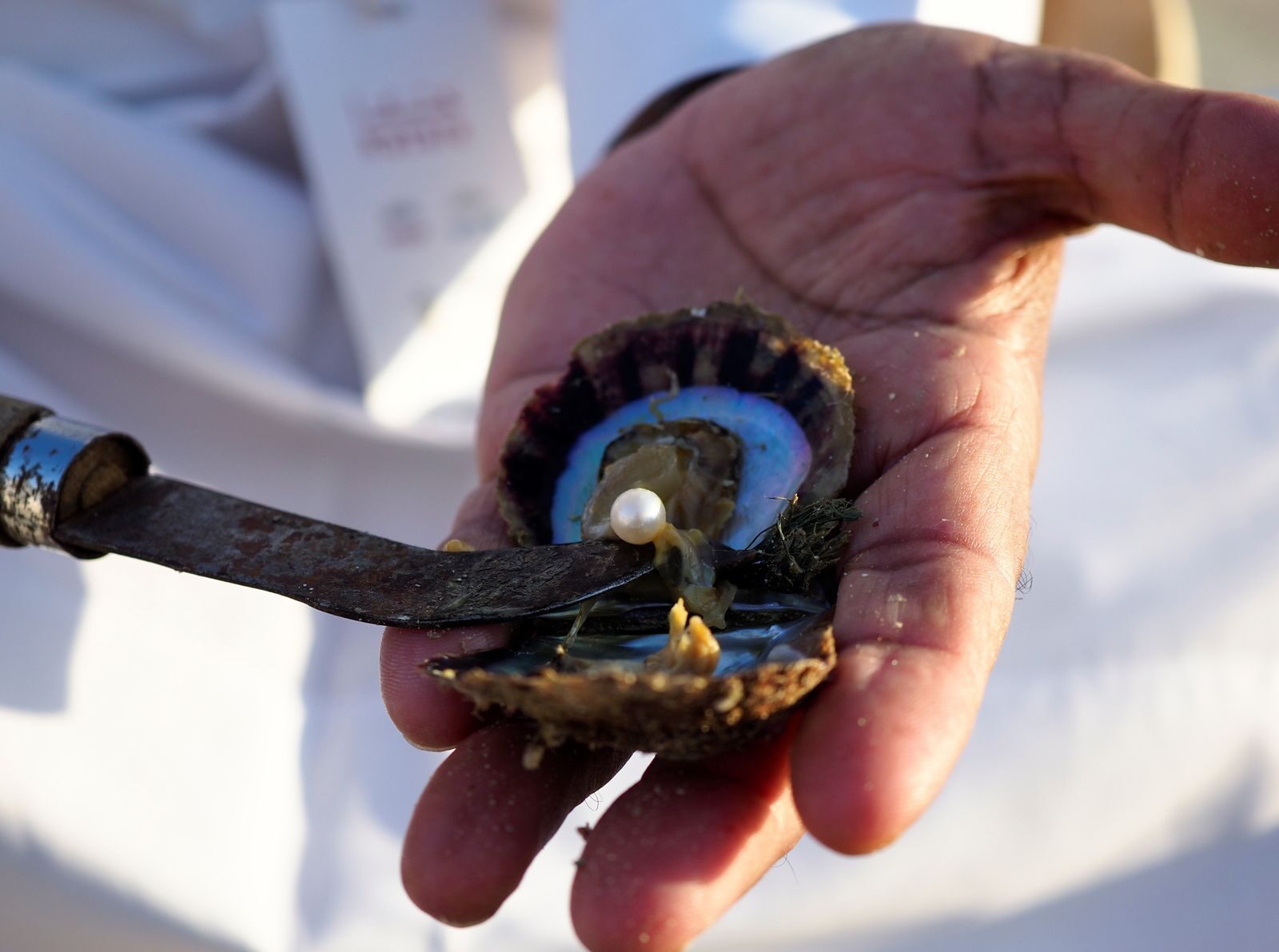
Have your kids ever wondered how a beautiful, shimmering pearl forms inside an oyster? Unlike diamonds or emeralds that form through geological processes, pearls are created by living creatures! When certain oysters or mussels encounter an irritant inside their bodies, they may surround it with layer after layer of a smooth substance called nacre, eventually forming a pearl. And here’s something surprising: pearls aren’t always round or even white! They can be pink, golden, purple, or nearly black, with wonderfully unusual shapes. If you have a pearl necklace or earrings tucked away in your jewelry box, bring them out for a little investigation. Can your kids spot the subtle colors and shimmering reflections?
more
Discover More
Did you know that most pearls sold today are actually grown on pearl farms? Unlike rare natural pearls, cultured pearls begin when a pearl farmer carefully introduces a tiny bead or piece of tissue into an oyster or mussel. The animal then coats it with layers of nacre, just as it would when forming a natural pearl! Explore the beautiful photographs and fascinating science in the Gemological Institute of America’s Guide to Different Pearl Types. Discover pearls from Japan, French Polynesia, Australia, and beyond. Which colors and shapes surprise your kids the most?
19dec12:00 pmLook for an Evergreen Day
Homeschool Learning Connection
Have your kids ever wondered why some trees stay beautifully green all winter while others lose every last leaf? Evergreens have some clever adaptations that help them survive
Homeschool Learning Connection
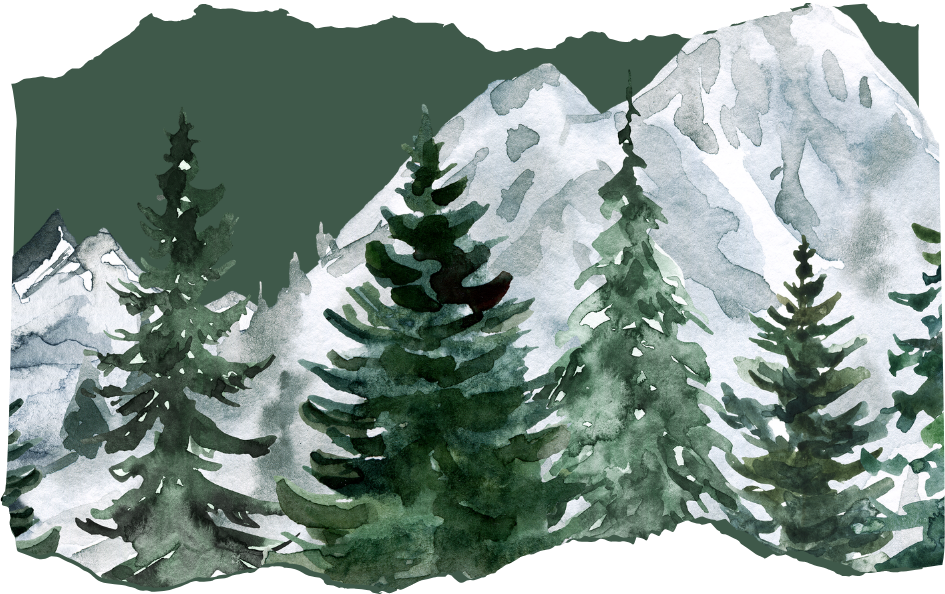
Have your kids ever wondered why some trees stay beautifully green all winter while others lose every last leaf? Evergreens have some clever adaptations that help them survive the cold, including narrow needles and waxy coatings that reduce water loss when the ground is frozen. And there’s much more to these winter survivors than Christmas trees! Celebrate Look for an Evergreen Day with DUYW’s Look for an Evergreen Day Learning Adventure, where your kids can head outside for an evergreen hunt, investigate the science behind those winter-ready needles, and put their descriptive writing skills to the test with an Evergreen Mystery challenge. They’ll also discover some of the world’s tallest and oldest trees, learn to tell pines, firs, and spruces apart, and uncover a few surprising evergreens hiding in the kitchen!
more
october
06oct12:00 amInternational Geodiversity Day
Homeschool Learning Connection
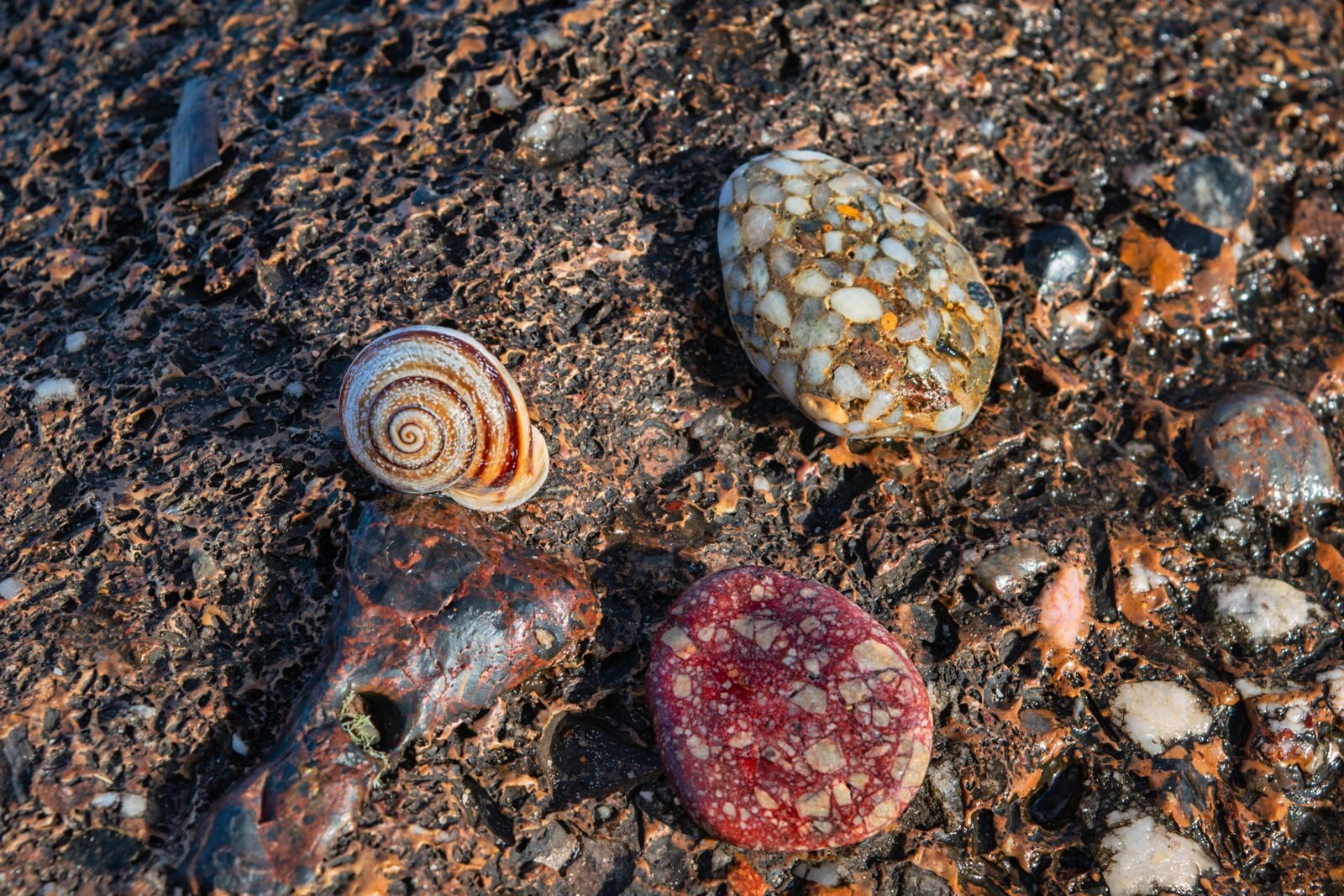
Life on Earth depends on more than living things! Rocks, minerals, landforms, soils, and water help shape every habitat. Take a geology walk and compare stones, soil, and
Homeschool Learning Connection
Life on Earth depends on more than living things! Rocks, minerals, landforms, soils, and water help shape every habitat. Take a geology walk and compare stones, soil, and the land around you.
10oct12:00 amNational Walk to a Park Day
Homeschool Learning Connection
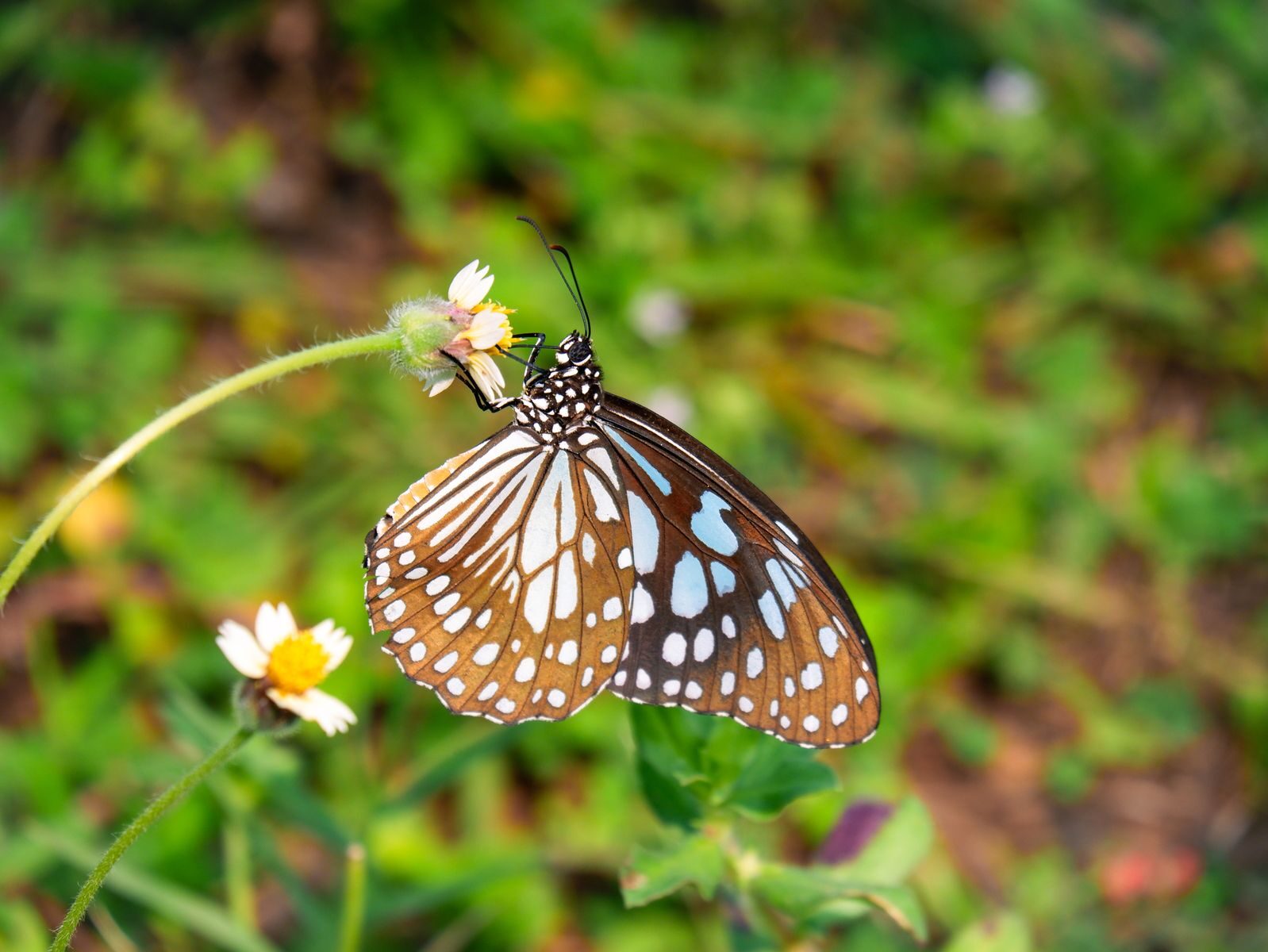
Turn an ordinary walk into a miniature field trip! Head to a nearby park with your observation skills ready. Look for colorful leaves, animal tracks, unusual rocks, or
Homeschool Learning Connection
Turn an ordinary walk into a miniature field trip! Head to a nearby park with your observation skills ready. Look for colorful leaves, animal tracks, unusual rocks, or signs of the changing seasons. Listen for birds, notice the shapes of clouds, and record a few discoveries in a nature journal. What might you find when you slow down and look closely?
Discover More
Can you find something with exactly 14 parts? How about a natural object with more colors than you can count? Put your observation skills to the test with the National Park Service’s Junior Ranger: Stretch Your Senses Scavenger Hunt! This creative challenge encourages young explorers to use their senses, think differently, and uncover surprising details in the world around them.
Homeschool Learning Connection
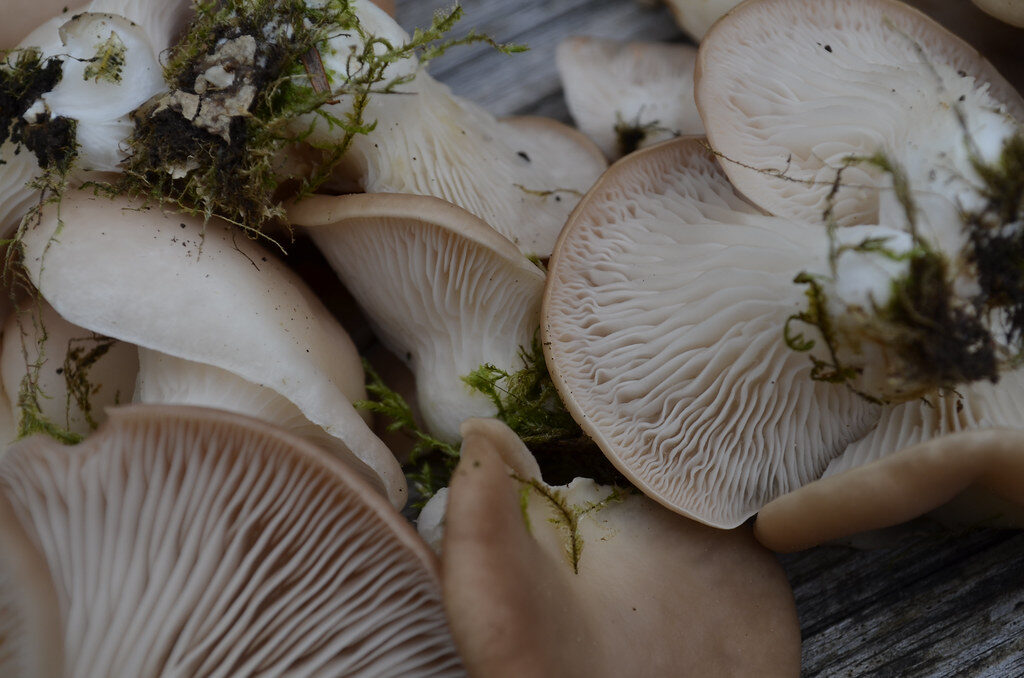
Did you know that some foods grow wild in forests, fields, and even backyards? For thousands of years, people have gathered berries, nuts, roots, and edible plants from
Homeschool Learning Connection
Did you know that some foods grow wild in forests, fields, and even backyards? For thousands of years, people have gathered berries, nuts, roots, and edible plants from nature. Explore the fascinating practice of foraging, then investigate a wild food that grows in your region. Can you identify it using photographs or a trusted field guide? Remember, never taste or collect wild foods without guidance from a qualified expert.
Discover More
What if your backyard held a hidden grocery store? From wild persimmons and hazelnuts to edible flowers, nature offers some surprising foods! Explore the Smithsonian Gardens’ Foraging: Connecting with the Land to discover how people have gathered food from nature throughout history and why responsible foraging matters.